

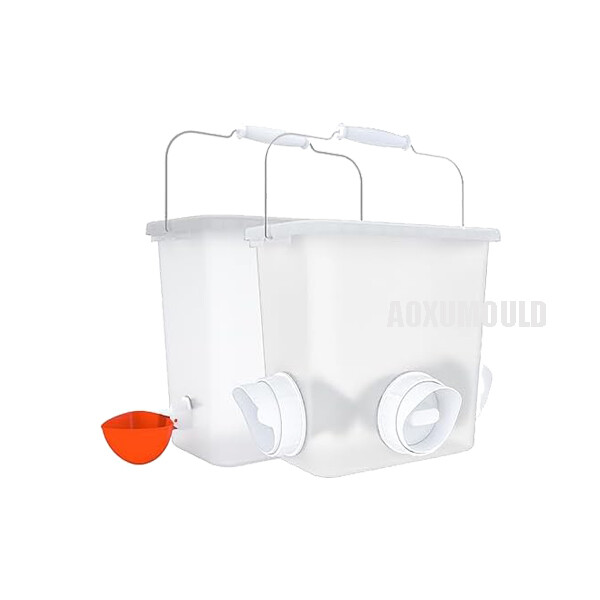
Mould Specifications
|
Mould name |
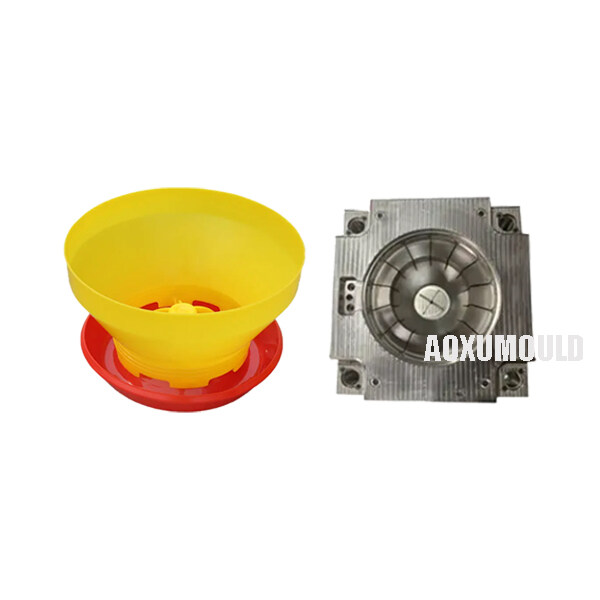
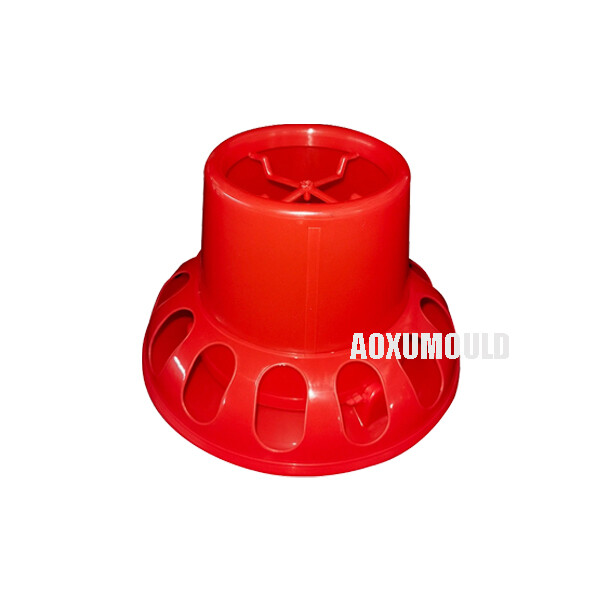
Feed Bucket Mould |
|
Product material |
HDPE, plastic |
|
Product Size |
270x250x290mm |
|
Product weight |
0.39kg |
|
Mould material for cavity &. Core |
C45, P20, 718, 2738 |
|
Mould base |
P20, 718H |
|
Injection system |
Hot runner |
|
Suitable injection machine |
380T |
|
Mould size |
550X5300X600mm |
|
Mould lifetime |
More than 500,000pcs |
Different Kinds Of Feed Bucket?

Plastic chicken feed buckets are an essential tool for any backyard chicken owner. They are easy to clean, lightweight, and come in a variety of sizes and designs to cater to the needs of your feathered friends. Here are some different kinds of plastic chicken feed buckets that you can choose from:
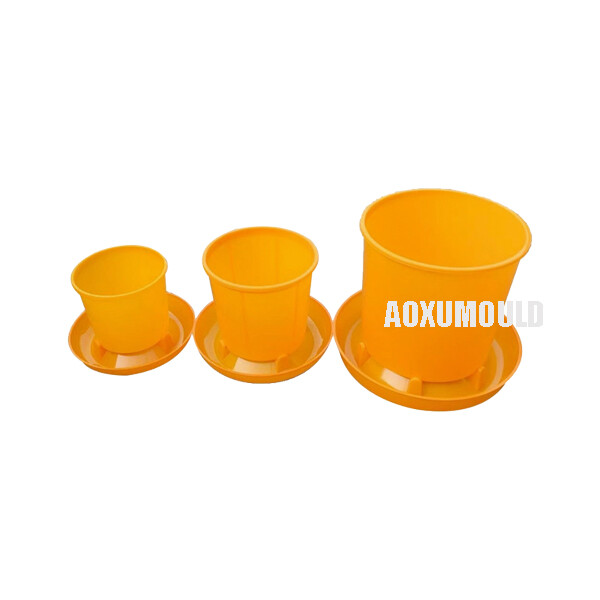
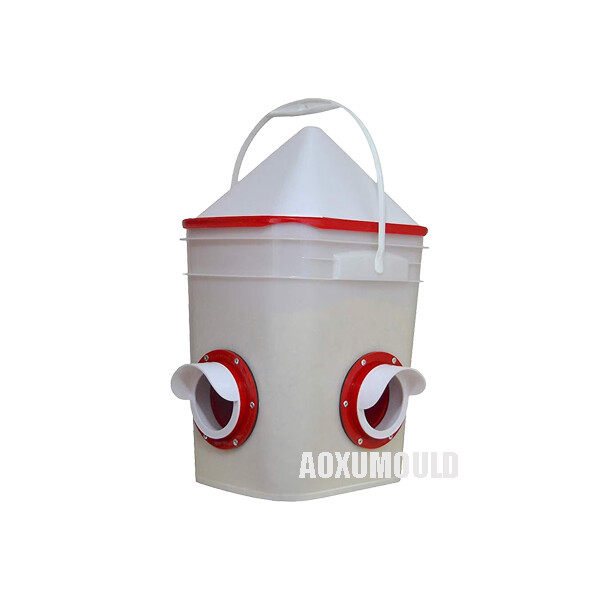
1. Basic Feed Bucket: This is the standard go-to bucket for most chicken owners. It is made from durable, food-grade plastic and comes in various sizes. They are stackable, which means you can store them easily when not in use. They also come with a sturdy handle for easy carrying.
2. Gravity Feed Bucket: Gravity feed buckets are designed to make feeding your chickens easier. They have a unique design that allows the feed to move down as the chickens eat, ensuring that the feed is always at a consistent level. This helps to reduce wasted feed and ensures your birds are always well-fed.
3. Nipple Waterer Bucket: This bucket comes with special attachments that allow you to water your chickens easily. The nipples are attached to the bottom of the bucket, making it convenient for the birds to drink. They also help to prevent spillage and contamination of the water.
4. Automatic Feed Bucket: An automatic feeder is a great way to make your life easier and feed your chickens. They come with a timer and a dispenser that dispenses the feed at preset intervals. This is perfect if you are away from home during feeding times or have a busy schedule.
In conclusion, plastic chicken feed buckets are a great investment for any backyard chicken owner. They come in different designs and sizes to cater to your needs and make feeding your birds easier. So, whether you are looking for a basic feed bucket or an automatic feeder, there is a plastic bucket out there for you.
How To Make Quality Feed Bucket Injection Moulds?
Making quality Feed Bucket injection molds is an important process for creating products that meet the needs of consumers and perform well in the market. Quality injection molds can produce smooth, high-quality products that are consistent in size and shape, helping to reduce production costs and increase efficiency. Here are some tips on how to make high-quality Feed Bucket injection molds:
1. Use quality materials: The materials used in the production of injection molds should be of high quality and able to withstand the stresses of the molding process. High-grade steel alloys and hard plastics are commonly used materials.
2. Consider the mold design: The design of the mold is critical to its performance and longevity. Designs should be simple, easy to maintain, and able to produce clean, high-quality parts.
3. Pay attention to cooling: The cooling process is important for efficient production and good-quality parts. Properly positioned cooling channels and efficient cooling systems can result in faster cycle times and quality parts.
4. Ensure precision: The mold should be made with precision and high accuracy to ensure that it produces consistent, high-quality parts. High precision manufacturing equipment and techniques are essential for consistent production.
5. Test the mold: Before the mold is put to use, it needs to be thoroughly tested to ensure that it can produce high-quality parts consistently. Any issues or defects should be identified and addressed before production begins.
By following these principles and investing in quality materials, design, cooling, precision, and testing, it is possible to make high-quality Feed Bucket injection molds that will perform well in the market and meet the needs of customers. Good-quality molds can lead to greater efficiency, reduced waste, and ultimately, greater profitability.
Hot Runner Feeding System For Feed Bucket Mould
When it comes to manufacturing plastic parts through injection molding, hot runner systems are often used to streamline the process and produce high-quality results. A hot runner feeding system can be especially beneficial when molding feed bucket parts, as it can help ensure consistent filling and avoid issues such as warping or air pockets.
The hot runner system allows molten plastic to flow directly from the machine nozzle into the feed bucket mould, eliminating the need for the plastic to first travel through a cold runner system. This not only saves time, but also reduces material waste and overall production costs.
In addition, the hot runner feeding system can be adjusted to control the temperature and flow rate of the molten plastic, ensuring that it fully fills the feed bucket mould while avoiding overfill or underfill. This results in a more uniform and precise part.
Overall, incorporating a hot runner feeding system into the production process for feed bucket moulds can greatly benefit manufacturers. It can increase efficiency, reduce waste, and improve the quality of the final product.
Design For Product &. Mould

Package &. Delivery

Mould Components
Mould Steel

Hot Runner System

Standard Parts

How To Do Maintenance Work On Feed Bucket Mold?
Feed bucket molds are an important tool for livestock farmers. They assist in creating the durable and reliable feed buckets that animals depend on for their daily feed. Like any tool, feed bucket molds require regular maintenance to ensure they continue to function effectively. Here are some helpful tips on how to do maintenance work on your feed bucket mold.
1. Clean the mold regularly.
One of the most important aspects of maintaining a feed bucket mold is to keep it clean. Regular cleaning of the mold can help to prevent the buildup of dirt, dust, and debris. Some molds may require special cleaning techniques or solvents, so make sure to follow the manufacturer's instructions.
2. Inspect the mold frequently.
Closely inspect the mold regularly for any signs of damage or wear. Look for any chips, cracks, or other signs of damage that may affect the quality of the molds that are produced. If you notice any of these issues, address them immediately before they worsen.
3. Lubricate the mold.
Lubricating the mold components can help to prevent wear and tear over time. There are a variety of lubricants available, and again, it is important to follow the manufacturer's instructions when selecting and applying them.
4. Store the mold properly.
When not in use, store the mold in a cool and dry place, away from direct sunlight and other sources of heat. This can help to prevent warping and other damage to the mold over time.
By following these simple steps, you can effectively maintain your feed bucket mold and ensure it continues to produce high-quality molds consistently. With proper maintenance, your mold can last for many years, making it a worthwhile investment for any livestock farmer.
FAQ
Customers' Feedback


