

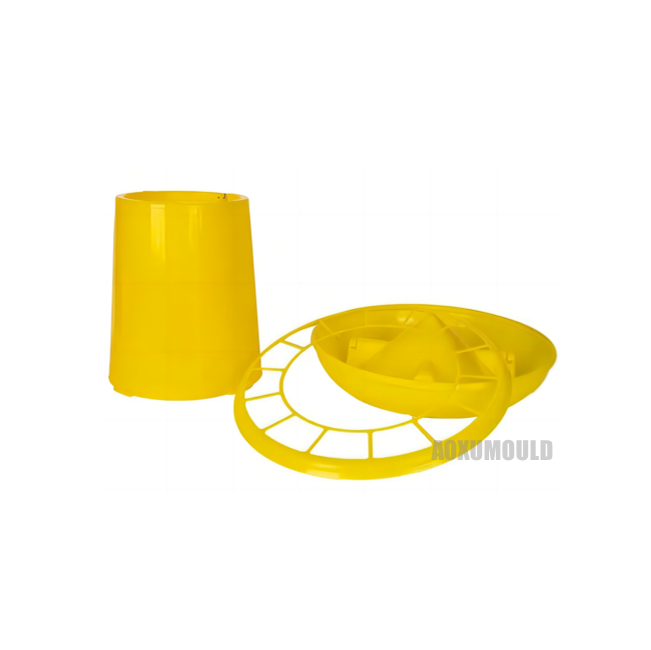
Mould Specifications
|
Mould name |
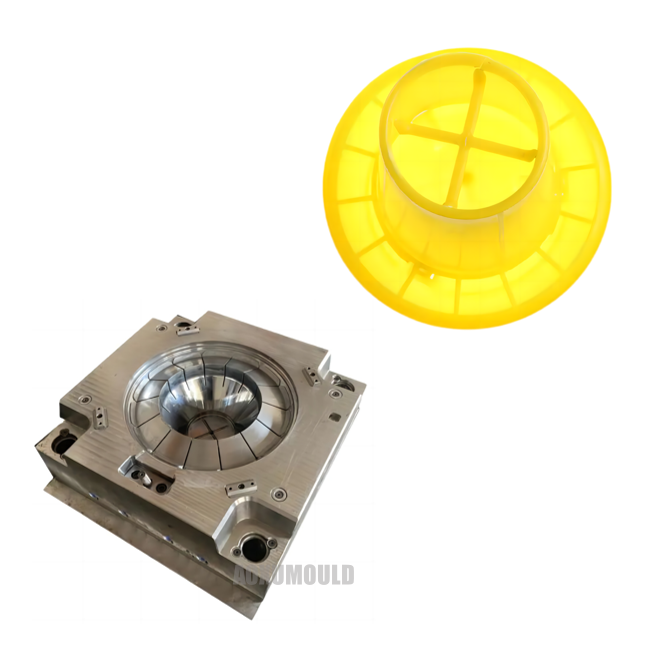
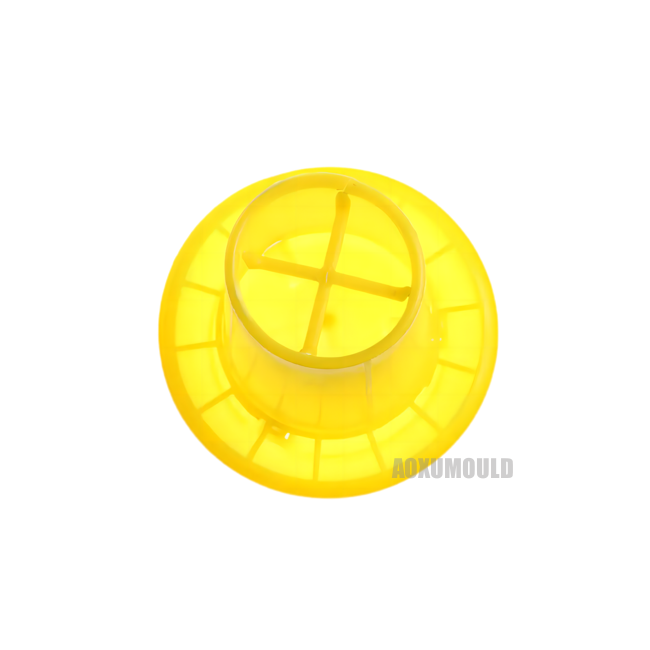
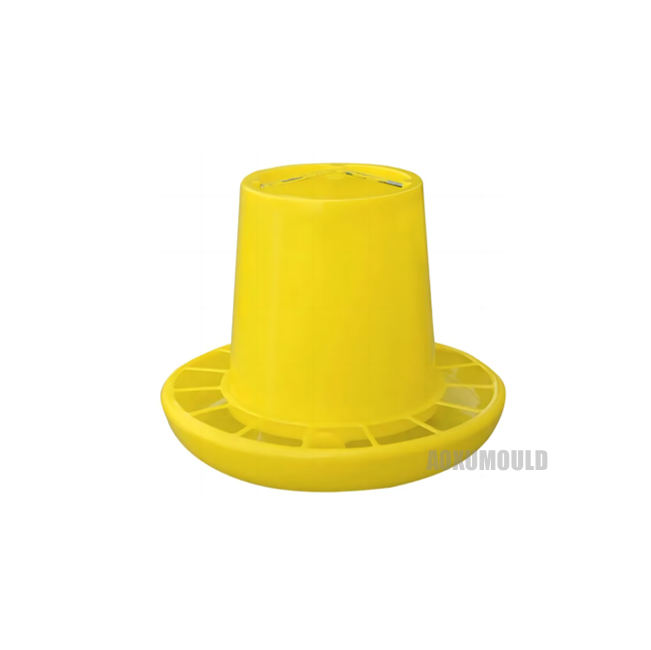
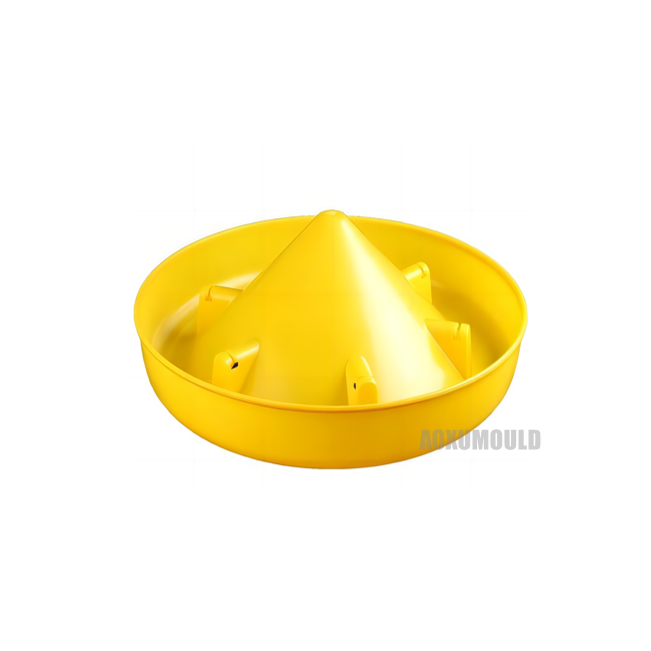
Plastic Feeding Pan Mould |
|
Product material |
HDPE, plastic |
|
Product Size |
190X90X155mm |
|
Product weight |
1.5kg |
|
Mould material for cavity &. Core |
P20, 718 |
|
Mould base |
P20, 718H |
|
Injection system |
Cold runner &. Hot runner |
|
Suitable injection machine |
350T |
|
Mould size |
370x190x300mm |
|
Mould lifetime |
More than 500,000pcs |
What Are The Characteristics of The Design of Plastic Feeding Pan?

Poultry plastic feeding pan is a device that provides food and water for poultry, usually used in poultry farms or farmers' poultry sheds. Its design has many features that make it a very convenient and practical feed supply equipment.
First of all, the design of the poultry plastic feeding pan is simple and practical. Usually composed of a plastic feeding pan and a matching feeder, the overall design is not complicated but fully functional. Users simply put feed or water into the bucket, and can easily provide food and water for poultry, eliminating the tedious work of frequent manual feeding.
Secondly, the design of the poultry plastic feeding pan saves space. It is usually designed as a vertical structure, which can effectively use space without taking up too much site. For feedlots or farmers, it is very important to save space, especially when the feeding scale is large, and the rational use of space can increase the efficiency of feeding and reduce costs.
Thirdly, the design of poultry plastic feeding pan is in line with the raising needs of poultry. It usually has the function of automatically adjusting food, and can flexibly control the supply of food according to the needs of poultry to ensure that poultry can get enough nutrition. At the same time, the design of the barrel also takes into account the habits and eating methods of poultry, which can effectively prevent food waste and pollution.
Finally, the poultry plastic feeding pan is designed for easy cleaning and maintenance. Because it is made of plastic material, the surface of the barrel body is smooth, easy to clean, and not easy to breed bacteria. Moreover, its structure is simple, there are no complex parts, and it is also very convenient to maintain. This can not only ensure the health and safety of poultry, but also reduce the cost of feeding and labor costs.
In general, the design of poultry plastic feeding pan has the characteristics of simple and practical, saving space, meeting the needs of breeding and convenient cleaning and maintenance, providing a convenient and efficient solution for poultry breeding. In the future of poultry breeding, it is believed that poultry plastic diet buckets will continue to play an important role and contribute to the development of the poultry industry.
Design For Product &. Mould

What Are The Common Problems In The Manufacturing Process Of Plastic Feeding Pan Mould?

In the manufacturing process of plastic feeding pan mould, common problems include the following aspects:
1. Material selection: Choosing the appropriate material is crucial when manufacturing injection moulds. If poor quality materials are selected, it may cause problems such as material cracking and deformation during the mould making process, affecting the final product quality. Therefore, when selecting materials, factors such as wear resistance and high temperature resistance need to be considered to ensure the service life and stability of the mold. For plastic poultry feeding pan moulds, we believe that P20 mould steel is sufficient
2. Design problem: Mould design is one of the most critical stages in the manufacturing process. If the mould design is unreasonable or has defects, it may lead to low production efficiency, unstable product quality, and other problems. Therefore, before manufacturing injection moulds, it is necessary to fully consider factors such as the shape and size of the product, and conduct reasonable design optimization to ensure that the final product meets the requirements. Usually, after we receive the customer's samples, we hold a mould review meeting where our mould design engineers, project engineers, and mould fitters thoroughly analyze the potential issues with the product and mold, and propose solutions.
3. Processing accuracy: The processing accuracy of the mould directly affects the quality and appearance of the final product. If the precision of mould processing is not high, it may cause problems such as burrs and deformation in the product, affecting the overall aesthetics and usability of the product. Therefore, in the process of mould processing, it is necessary to ensure the accuracy and stability of the processing equipment to ensure the processing quality of the mould. We have advanced mould processing machines, including large, medium, and small five axis high-speed milling machines, mirror EDM machines, wire cutting machines, etc., to ensure the accuracy of customer mould processing.
4. Communication and cooperation: In the manufacturing process of injection moulds for poultry plastic feeding trays, designers, engineers, processing workers, and other multiple links need to closely cooperate to ensure the smooth progress of the manufacturing process. At the same time, we will communicate with customers in a timely manner and respect their opinions. If there is poor communication or misunderstanding between various links, it may lead to erroneous operations and unnecessary losses. Therefore, it is necessary to strengthen communication and collaboration among teams, and work together to complete the mould manufacturing task.
What Are The Benefits Of Heat Treatment For Plastic Feeding Pan Injection Mould?
Plastic feeding pan mould is a type of mould used for producing plastic feeding pans, and its heat treatment is a very important step. Heat treatment can improve the hardness, wear resistance, and service life of moulds, making them more durable and extending their service life. Let's take a look at the benefits of heat treatment for the feed pan moulds:
Firstly, heat treatment can improve the hardness and strength of the mould, making it more wear-resistant and durable. After heat treatment, the mould can withstand long-term use and high-intensity injection molding production, maintain stable processing accuracy, effectively extend the service life of the mould, reduce replacement and maintenance times, and improve production efficiency.
Secondly, heat treatment can improve the wear resistance of moulds and extend their service life. In injection molding production, moulds are often subjected to high temperature, high pressure, and high-speed impacts, which can easily cause wear and deformation. After heat treatment, the surface hardness of the mould increases, and the wear resistance is improved, which can better resist wear and maintain the accuracy and stability of the mould.
In addition, heat treatment can also improve the tensile strength and toughness of the mould, enhance its resistance to compression and impact. For plastic moulds, this can better resist various external forces and pressures during production, ensure long-term stable operation of the mould, and produce high-quality plastic products.
Test of Plastic Feeding Pan Mould
Package &. Delivery

Mould Components
Mould Steel

Hot Runner System

Standard Parts

FAQ
Customers' Feedback


