

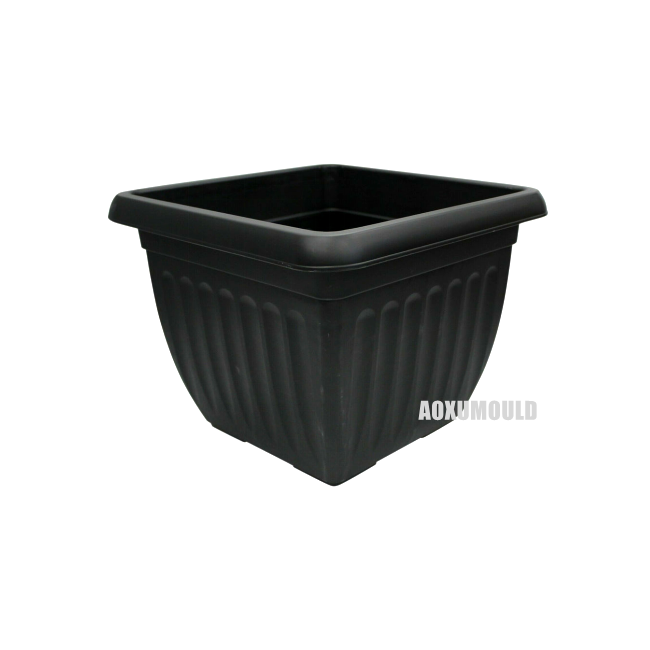
Mould Specifications
|
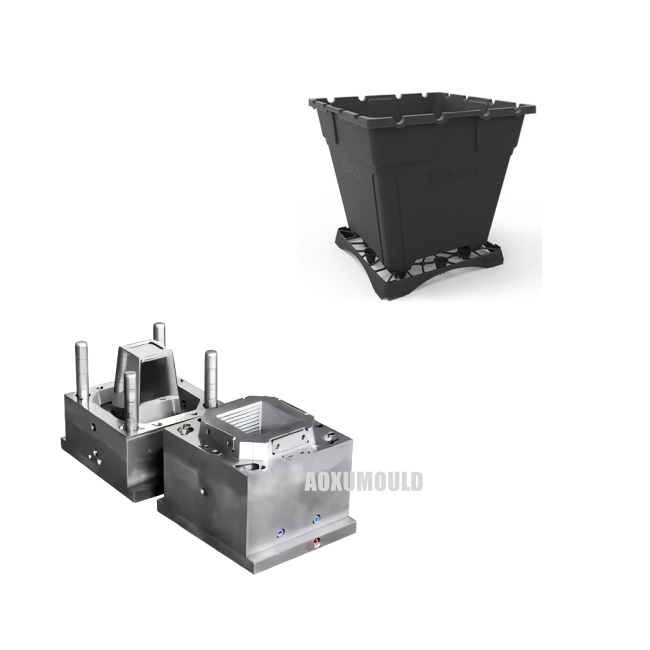
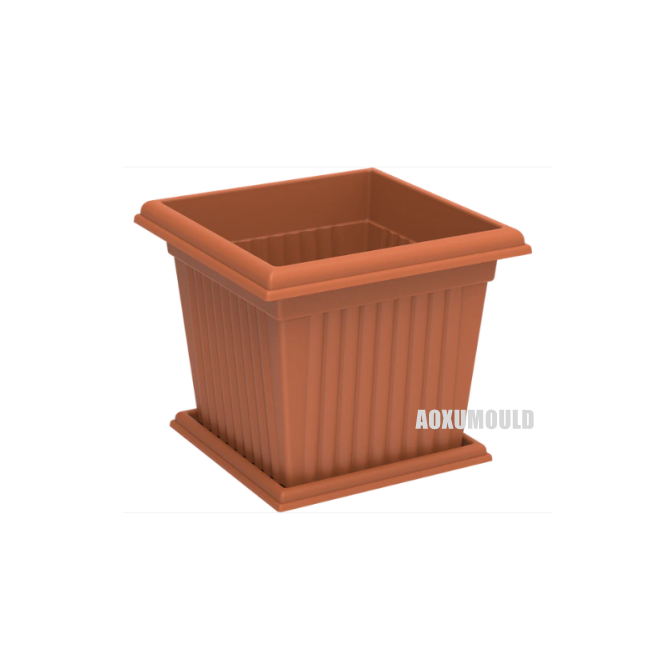
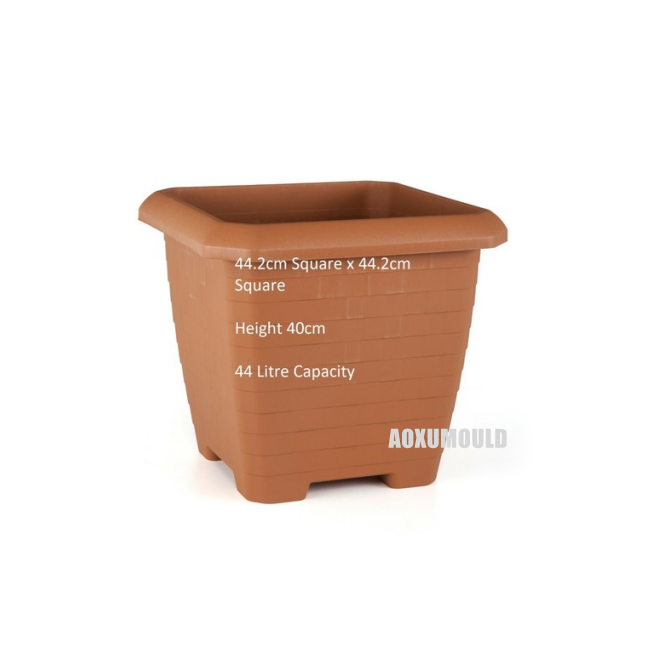
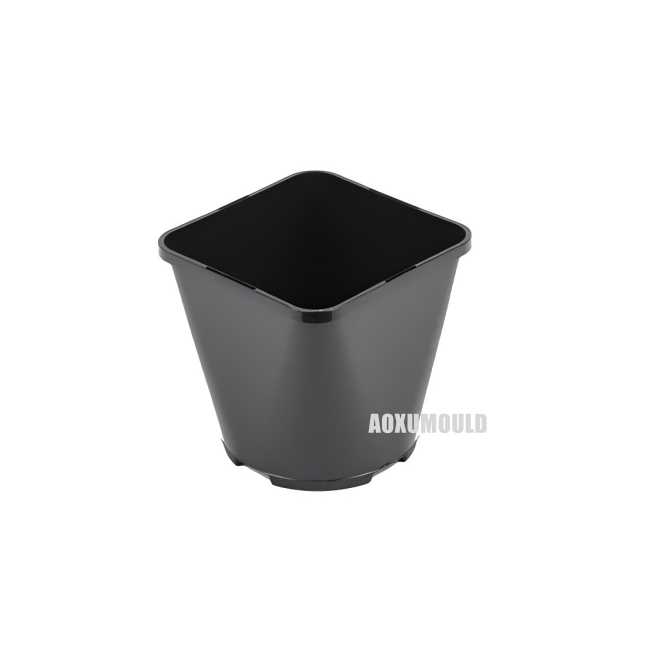
Mould name |
Square plant pot mould |
|
Product material |
PP, polypropylene |
|
Product size |
34cm x Width 34cm x 29m Height |
|
Product weight |
0.934 kg |
|
Mould material for cavity &. Core |
P20/718 |
|
NOs of cavity |
1 cavity or more |
|
Injection system |
Cold runner or hot runner |
|
Max. injection machine |
380T |
|
Mould size |
500X500X650mm |
|
Mould weight |
1550KG |
|
Mould lifetime |
More than 500,000pcs |
|
Delivery Time |
45 days |
Product Characteristics

Introduction
A Plant Pot Mould is a tool used to make flower pots. Its main function is to shape raw materials (such as plastic, clay or cement) into the shape of a flower pot through injection molding, compression molding or casting.
Advantages
Strong durability
P20/718 is used as the material for the cavity and core. These materials have good wear resistance and corrosion resistance, can withstand large-scale injection molding production, and the mold life exceeds 500,000 pieces, ensuring long-term stable use.
High production efficiency
The mold design is suitable for 380T injection molding machines, which can meet the needs of large-scale production. The use of cold runner or hot runner injection system increases production speed and reduces material waste.
Appropriate size and weight
The mold size is 500x500x650 mm, which can ensure the precise size and shape of each flower pot, meet production standards, and avoid quality deviations. The mold weight is 1550 kg, which is moderate and easy to operate, suitable for mass production and easy to transport and install
Manufacturing process
1. Mold design
First, use computer-aided design (CAD) software to perform 3D modeling of the mold, use finite element analysis (FEA) technology to perform thermal stress and pressure analysis, and optimize the mold design.
2. Mold material selection
Square flower pot molds usually use high-strength steel, such as P20 or 718 steel. Cut the selected mold steel into suitable sizes and prepare for subsequent processing.
3. Precision machining
Use CNC machine tools (CNC) for precision cutting and engraving, and use electric discharge machining (EDM) technology for drilling and engraving in some parts with complex shapes and high precision requirements.
4. Assembly and debugging
Assemble the processed parts to ensure that the cavity, core, cooling channel, nozzle and other parts are closely matched, and perform preliminary debugging.
5. Surface treatment
Polish the mold surface to reduce friction and improve the durability of the mold. In order to improve the hardness and wear resistance of the mold steel, the mold is heat treated, such as quenching and tempering.
6. Testing
According to the test results, fine-tune the mold and optimize the injection system, cooling system, etc.
Design For Product &. Mould

Mould Testing Video

Mould Package &. Delivery

Mould Components
Mould Steel

Hot Runner System

Standard Parts

Customers' Feedback


