
Introduction
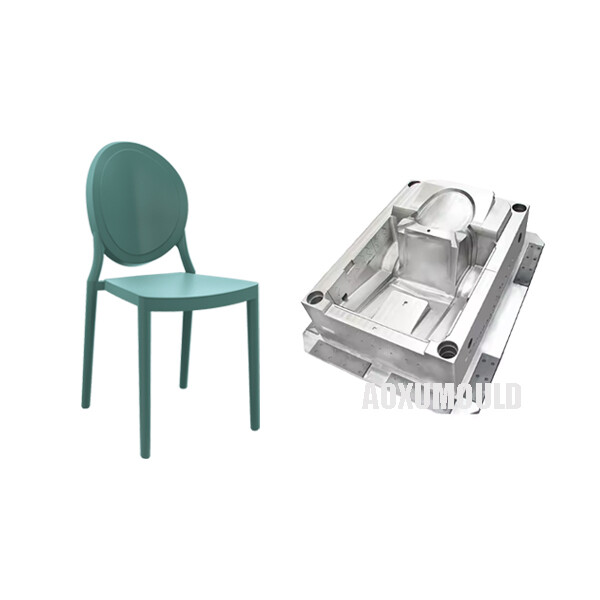
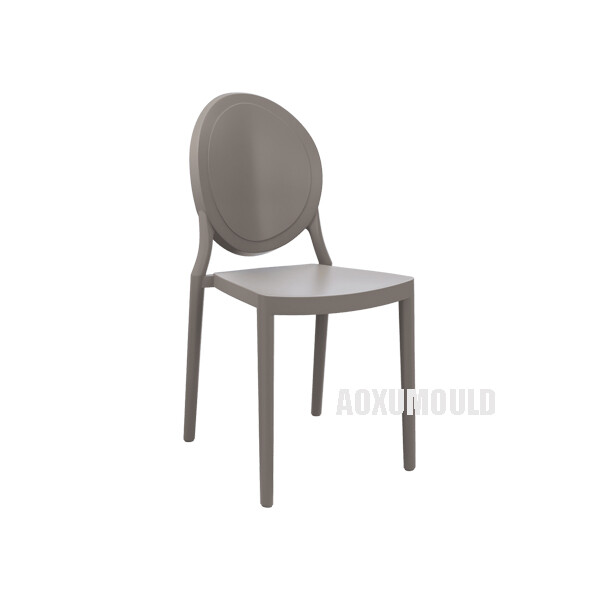
Dining Chair Mould is an industrial mold specially used for the production of dining chairs, and is commonly used for injection molding of plastic dining chairs. The mold is usually made of high-strength materials (such as C45, P20, 718 or 2738 steel), with excellent wear resistance and high precision.
Manufacturing process
1. Mold design
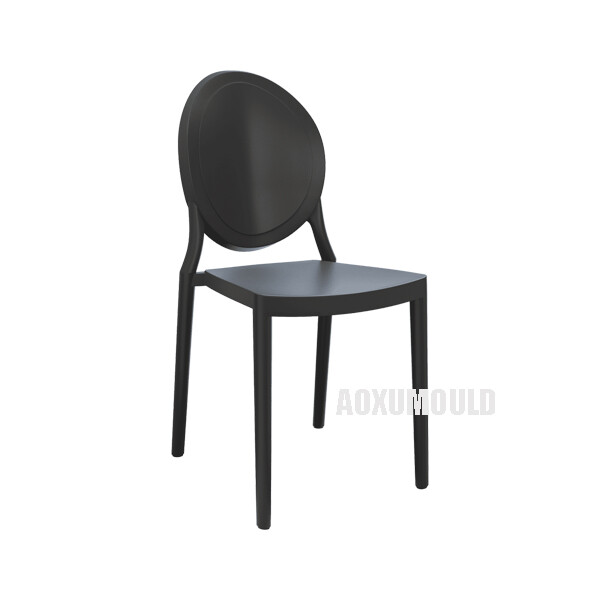
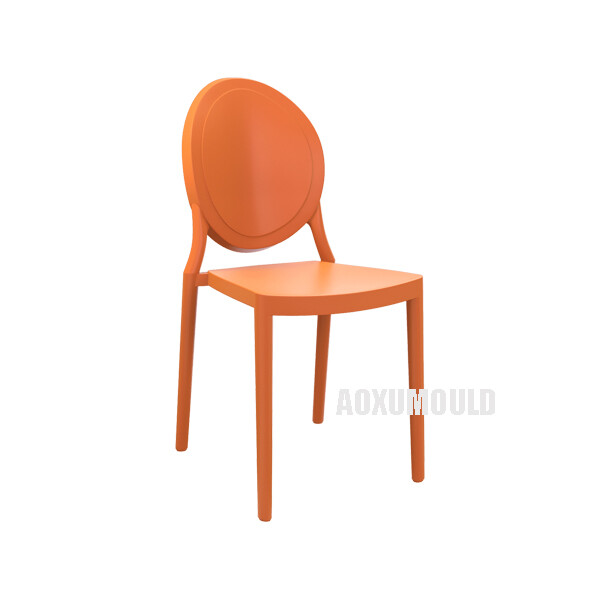
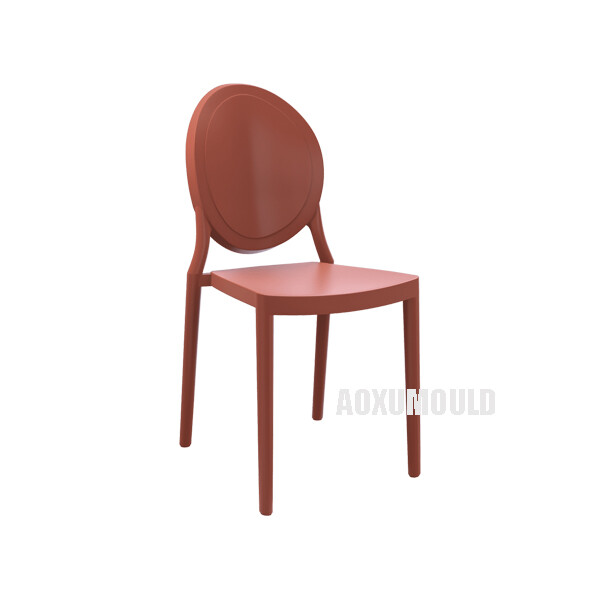
Use professional design software (such as AutoCAD, SolidWorks) to perform 3D modeling of the dining chair mold to ensure the precise matching of product size (410X500X850 mm) and weight (4 kg). Optimize the design of the hot runner system through CAE simulation to ensure uniform distribution of plastic material (PP) and reduce injection defects.
2. Material preparation
The cavity and core materials are C45, P20, 718 or 2738, and the mold frame material is C45, which has high strength and good toughness.
3. Mold processing
Use lathes and milling machines to perform preliminary cutting of mold steel to form basic shapes and sizes. Use CNC machining centers for high-precision machining, and use electrospark machining (EDM) and wire cutting technology to process complex parts to ensure that the mold cavity matches the core to meet injection molding requirements.
4. Injection system installation
Install the hot runner injection system to ensure the uniform flow of the plastic (PP) melt, design a reasonable nozzle to meet the needs of the 1000-ton injection molding machine, and ensure that the injection pressure is evenly distributed.
5. Mold assembly
Assemble the processed cavity, core and mold frame, and test the matching accuracy of each component. Test the mold on the 1000-ton injection molding machine, test the mold performance by injection molding dining chair samples, and adjust the mold parameters to optimize the production effect.
6. Surface treatment
Mirror polish the surface of the cavity and core, and chrome plate or nitride the mold if necessary to enhance the corrosion resistance and wear resistance of the mold.
How to maintain
1. Inspection before use
Before using the mold, clean the surface of the cavity, core and mold frame to ensure that there is no dust, oil or residual plastic, and lubricate the movable parts such as guide pins, guide sleeves and push rods to reduce friction and wear.
2. Maintenance in daily use
Ensure that the parameters of the injection molding machine are set correctly (such as pressure and speed) to avoid damage to the mold due to overload or abnormal pressure. Clean the residual plastic and flash in the mold cavity in time during production to prevent affecting the quality of the next injection molding.
3. Regular maintenance
Regularly check whether there are scratches, rust spots or wear on the surface of the cavity and core, and polish if necessary. Check whether the mold frame and bolts are loose to ensure that the mold is firmly assembled. Regularly check the heating effect of the hot runner electric heating element and the stability of the temperature control system.
4. Storage
After the mold is shut down, the mold surface should be cleaned and anti-rust oil should be applied, especially to the cavity, core and parting surface. When the mold is not used for a long time, it should be covered with a dustproof cloth and stored in a dry and ventilated environment to avoid moisture and corrosion.
Mould Specifications
|
Mould name |
Dining Chair mould |
|
Chair material |
PP, plastic |
|
Product Size |
410X500X850mm |
|
Product weight |
4kg |
|
Mould material for cavity &. Core |
C45, P20, 718, 2738 |
|
Mould base |
C45 |
|
Injection system |
Hot runner |
|
Suitable injection machine |
1000T |
|
Mould size |
1050X795X1100mm |
|
Mould lifetime |
More than 300,000pcs |
Why choose PP as the material of dining chair?

Design For Product &. Mould

Package &. Delivery

Mould Components
Mould Steel
Hot Runner System

Standard Parts

FAQ
Q: What is plastic injection moulding?
Q: What industries use plastic injection moulding?
Q: What types of plastic can be used in injection moulding?
Q: What are the advantages of plastic injection moulding?
Q: How long does the mould-building process take?
Q: Can you produce custom moulds?
Q: How much does plastic injection moulding cost?
Q: What are your quality control processes?
Q: What is your lead time for producing plastic injection moulded parts?
We hope this FAQ has been helpful in answering your questions about plastic injection moulding. Please feel free to contact us if you have any additional inquiries. Thank you for considering our services.
Why Choose Us
When it comes to plastic moulding, it is important to work with a reliable and experienced company that can meet your specific needs. Our plastic mould company is a top choice for many reasons.
Firstly, we have 13 years of experience in the industry, meaning we have honed our craft to perfection. Our team of experts has a wealth of knowledge and skills, and our state-of-the-art technology and equipment allow us to deliver high-quality products efficiently and effectively.
Secondly, we place a priority on excellent customer service. We understand that communication is key to a successful project, and we are committed to keeping our clients informed and involved every step of the way. We value our customers and will go above and beyond to ensure their satisfaction.
Additionally, our company is dedicated to using the latest technology and materials in all our projects. We keep up with industry trends and advancements, ensuring that we provide the best solutions and products to our clients.
Our plastic mould company also offers competitive pricing, giving you value for your money. We provide comprehensive solutions, from design to production, ensuring that you get everything you need in one place.
Overall, our plastic mould company is a reliable and trusted partner for all your plastic moulding needs. We guarantee satisfaction, quality, and timely delivery. Choose us today, and let us help you bring your ideas to life.
Customers' Feedback