



Mould Specifications
|
Mould name |
Plastic Stackable Vegetable Crate Mould |
|
Product material |
PP/HDPE, plastic |
|
Product Size |
585x365x340mm |
|
Product weight |
3.1kg |
|
Mould material for cavity &. Core |
P20, 718, H13, 2738 |
|
Mould base |
C45 |
|
Injection system |
Hot runner |
|
Suitable injection machine |
580T |
|
Mould size |
965x700x685mm |
|
Mould lifetime |
More than 500,000pcs |
Why Does Make Vegetable Crates Stackable?

Vegetable crates are an essential part of the agriculture industry as they provide a safe and durable way to transport produce. One of the most important reasons why vegetable crates are made stackable is to save space. By making the crates stackable, they can be easily arranged, taking up less space both in the fields or warehouses, and during transportation. This helps to cut down on shipping and storage costs, allowing farmers and distributors to save money.
Another important reason to make vegetable crates stackable is to improve logistics and handling. When vegetable crates are designed to be stackable, they can be easily loaded and unloaded using forklifts or other machinery. This greatly simplifies the shipping and handling process for those working in the agriculture and logistics industries.
Furthermore, stackable crates are also more secure and less likely to shift during transportation. With the ability to lock into place, the crates can be confidently loaded onto trucks, preventing damage to the produce and reducing the likelihood of accidents.
In addition to these practical benefits, stackable vegetable crates are also environmentally friendly. By reducing the need for additional storage space, less energy is required to store and transport the crates, leading to a smaller carbon footprint. This is an important factor in today's world where environmental concerns have become increasingly important.
There are several reasons why vegetable crates are made stackable. From saving space and cutting costs to simplifying logistics and handling, the benefits of stackable crates are clear. Additionally, by reducing the environmental impact of shipping and storage, stackable vegetable crates offer a greener solution to the agriculture industry. So, make vegetables crates stackable is a great idea for the modern world.
Why Kind of Plastic Material To Make Vegetable Crates?

Plastic crates have become an integral part of the supply chain industry for the food industry, especially for the packaging and transportation of fruits and vegetables. When it comes to choosing the appropriate plastic material for vegetable crates, several factors need to be considered, such as strength, durability, lightweight, and, most importantly, food safety.
Polypropylene, also known as PP, is an ideal plastic material commonly used to manufacture vegetable crates. This material is lightweight, strong, and offers excellent resistance to impact, moisture, and chemicals. Because of its inherent properties, polypropylene is durable and can withstand scratches, which makes it an excellent choice for transporting heavy loads of fruits and vegetables.
Another excellent material is high-density polyethylene (HDPE). This material is chemically resistant, durable, and lightweight, making it ideal for vegetable crates. HDPE is widely used in the food industry since it is safe for packaging food products and explicitly approved by the FDA.
All these plastic materials used to make vegetable crates are 100% recyclable and can be re-used and re-purposed, making them the perfect solution for businesses seeking sustainable packaging options.
Selecting the right material for vegetable crates is vital to maintain food safety standards, durability, and sustainability. Polypropylene, HDPE, and PET are some of the best plastic materials available. So, businesses that want to provide the best quality packaging for their food products should choose these materials to make their vegetable crates.
Design For Product &. Mould

How To Manufacture Vegetable Crate Injection Mould?

Manufacturing a vegetable crate injection mould is not as complicated as it may seem. With the right tools, materials, and techniques, anyone can create a durable and functional mould that will last for many years.
First, you will need to gather the materials and tools necessary for the job. These include a mould design, plastic material, injection moulding machine, and various tools for shaping and finishing the mould.
Once you have all of the necessary materials and tools, the next step is to design the mould. This involves creating a blueprint or sketch of the crate and determining the specifications for the mould, such as size, shape, and thickness. You may also need to consider any specific features or requirements that the crate may have, such as ventilation holes or stacking capabilities.
Once the design is complete, the next step is to create a mold cavity in the injection moulding machine. This involves melting the plastic material and injecting it into the cavity, where it will cool and harden to form the desired shape of the vegetable crate. The machine will then eject the finished product from the mould cavity.
After the injection moulding process is complete, you will need to finish the vegetable crate by trimming any excess material and smoothing any rough edges. This can be done using various tools, such as a saw, file, or sandpaper.
Finally, it is important to ensure that the vegetable crate injection mould is properly maintained and stored to ensure its longevity. Regular cleaning and inspection, as well as proper storage in a dry, cool environment, can help to prevent damage and extend the life of the mould.
In conclusion, manufacturing a vegetable crate injection mould is a relatively simple and straightforward process with the right materials, tools, and techniques. By following these basic steps, anyone can create a durable and functional mould that will meet the needs of their specific application.
Package &. Delivery

Mould Components
Mould Steel
Hot Runner System

Standard Parts

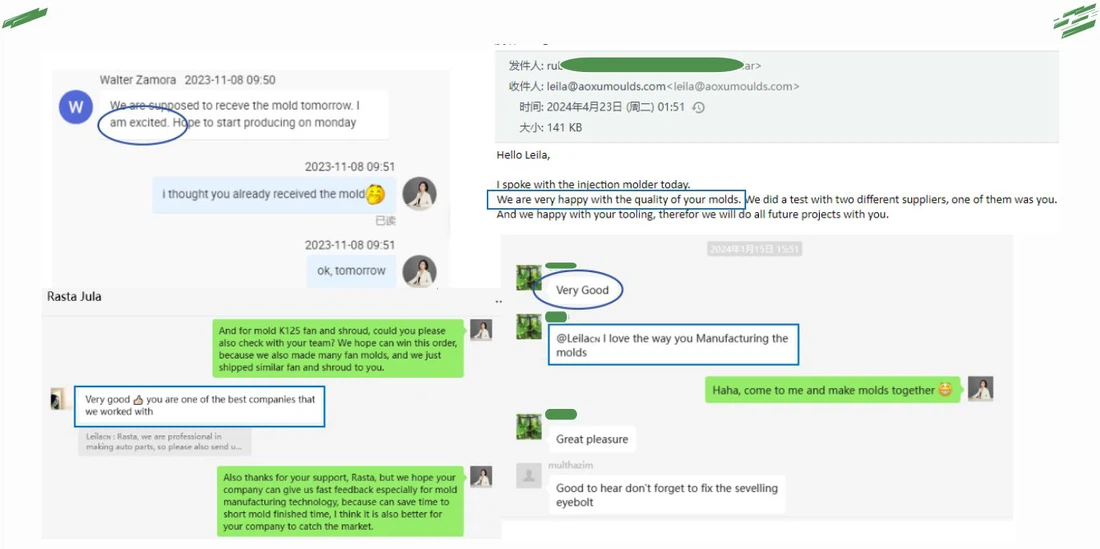
Customers' Feedback
FAQ
Q: What is a vegetable crate mould?
Q: What are the benefits?
Q: What types of plastic are commonly used for mould?
Q: Can vegetable crate moulds be customized?
Q: How long do our mould typically last?
Q: What maintenance is required for plastic crate moulds?
Q: Are there any environmental concerns with moulds?


