

Introduction
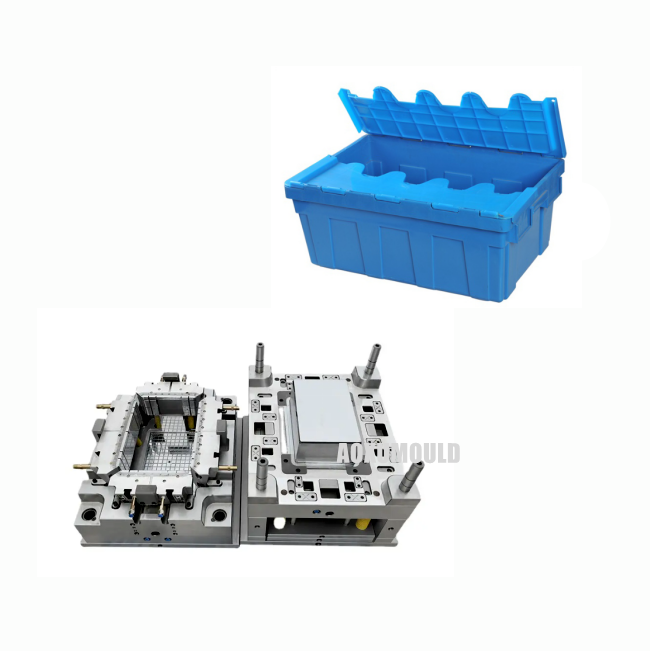
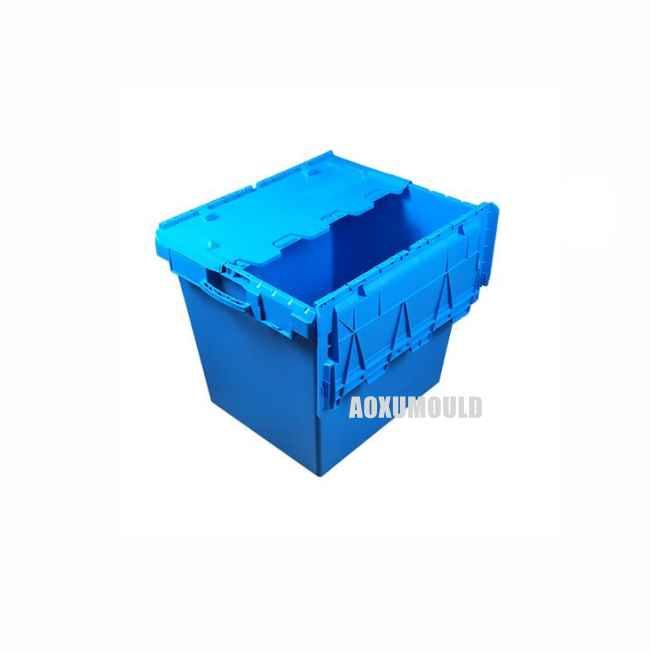
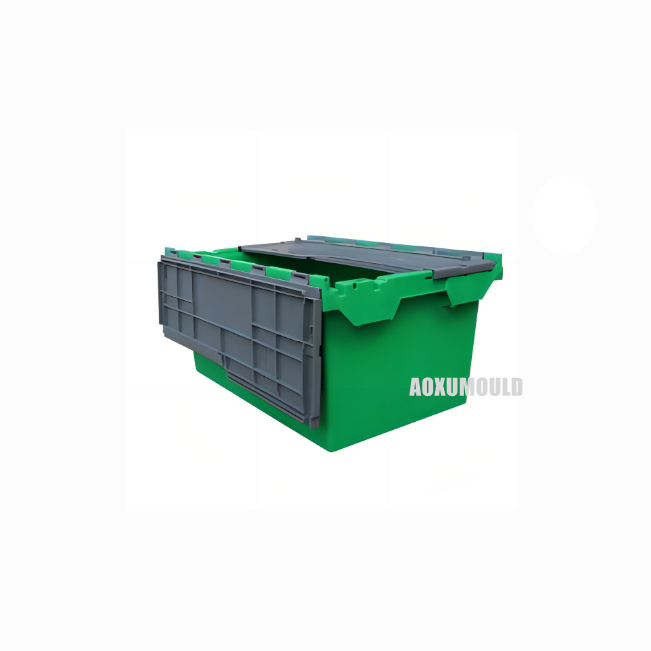
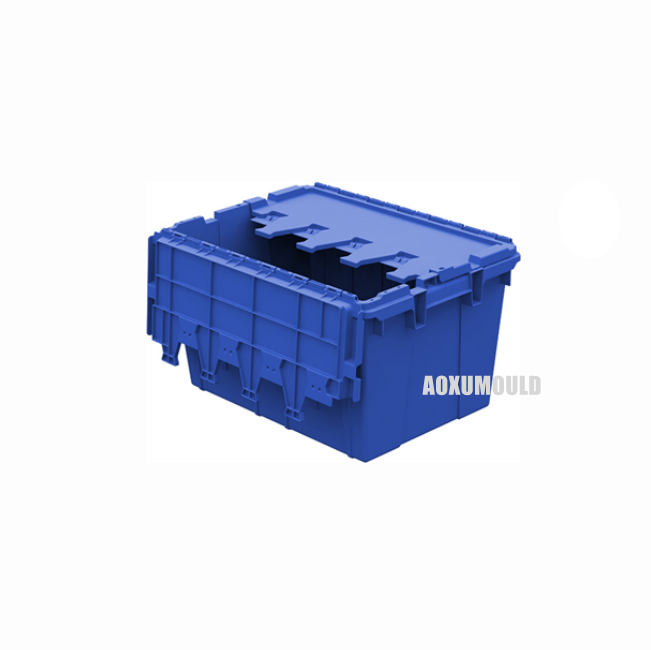
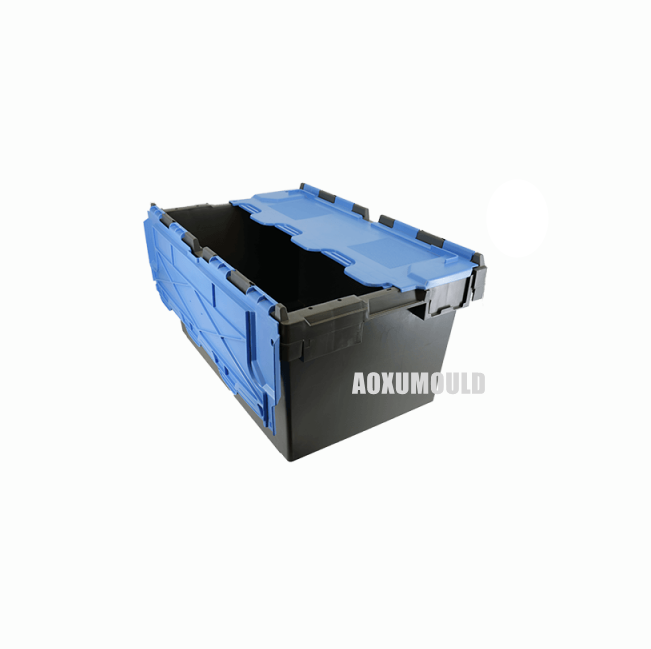
Logistic Crate Moulds are special tools and equipment used to make logistics boxes. Logistics boxes are mainly used for storage, transportation and distribution of goods, so their mold design directly affects the strength, capacity and applicability of the box.
Manufacturing process
1. Injection molding
Using a 500-ton injection molding machine, the polypropylene or polyethylene plastic particles are heated and melted and then injected into the mold cavity. After cooling and solidification, the molded logistics box is taken out.
2. Mold design and manufacturing
The cavity and core are made of high-wear-resistant materials such as P20, 718, H13, and 2738, and the mold frame is made of C45 steel, which has good strength and toughness and is suitable for long-term injection molding processes.
3. Hot runner system
The mold uses a hot runner valve gate system, which helps to improve the uniformity of plastic injection flow, reduce waste, and improve production efficiency. The hot runner system reduces cooling time and material loss by heating the gate and runner area.
4. Cooling system
The cooling system in the mold ensures that the mold can quickly and evenly cool down during the injection molding process through a reasonably designed cooling channel, reducing product deformation and ensuring the size and quality of the finished product.
5. Post-processing process
The formed logistics box may need to undergo post-processing processes such as deburring, marking or cleaning to remove excess materials or impurities generated during the production process to ensure that the product appearance and quality meet the standards.
How to maintain
1. Regular cleaning
Use professional mold cleaner and soft brush to remove impurities on the surface of cavity and core to avoid affecting the injection molding quality.
2. Lubrication and maintenance
The sliding parts of the mold (such as slider, ejector, etc.) should be lubricated regularly to reduce friction and wear and ensure the smooth operation of the mold.
3. Check the hot runner system
Clean the hot runner valve and gate to prevent plastic from blocking the runner. Especially after using different types of plastic materials, clean thoroughly.
4. Cavity and core inspection
If the cavity or core is found to have obvious wear or cracks, it should be repaired or replaced in time to prevent affecting the production quality.
5. Cooling system maintenance
Regularly clean the sediment or blockage in the cooling channel and keep the water flow unobstructed to ensure the cooling effect.
6. Mold storage
Apply anti-rust oil to the mold surface, especially when the mold is not used for a long time, to avoid rust and corrosion.
Mould Specifications
|
Mould name |
Plastic Storage Logistic Crate Mould |
|
Product material |
PP, PE |
|
Product Size |
Nesting Height: 90mm |
|
Product Weight |
2.8KG |
|
Product Capacity |
50L |
|
Load capacity |
≤ 25kg |
|
Mould material for cavity &. Core |
P20, 718, H13, 2738 |
|
Mould base |
C45 |
|
Injection system |
Hot runner valve gates |
|
Suitable injection machine |
500T |
|
Mould size |
925x735x655mm |
|
Mould lifetime |
More than 500,000pcs |
Design Points For Logistic Crates/Boxes
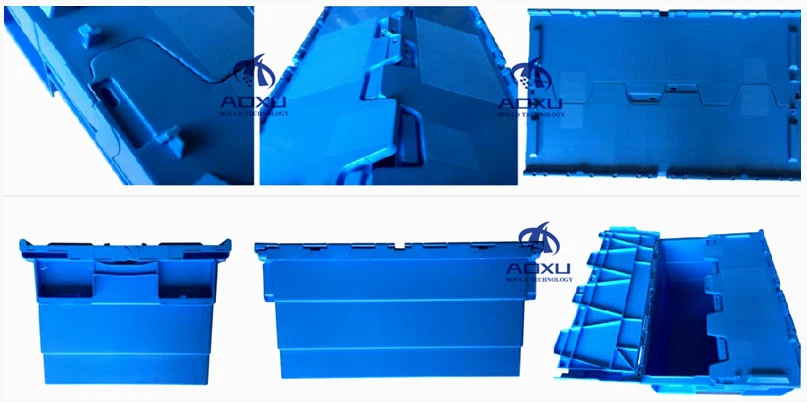
How To Quality Make A Logistic Crate Mould?

Design For Product &. Mould

Package &. Delivery

Mould Components
Mould Steel
Hot Runner System

Standard Parts

Customers' Feedback

The Process of Placing Order To Make Logistic Crates Moulds

Ordering logistic crates moulds can be a seamless process if done correctly. The use of logistic crates is vital in the transportation of goods and choosing the right moulds will ensure their durability and reliability. Here is a step-by-step guide on how to place an order for plastic crates moulds.
1. Research the various mould manufacturers and suppliers. It is important to do your due diligence and check the quality of the moulds and the reputation of the supplier.
2. Contact the selected supplier and provide them with the specifications of the crates you require. This will include the size and shape of the crates and the number of pieces you need.
3. The supplier will then provide you with a quote for the cost of the moulds. Make sure to review the quote and ask any questions about the pricing to ensure that you understand all the costs involved.
4. Once you have accepted the quote, the supplier will create a design for the moulds and send it to you for approval.
5. After you have approved the design, the supplier will begin the mould manufacturing process. This will involve creating the moulds, testing their functionality, and making any necessary adjustments.
6. Once the moulds have been manufactured, the supplier will send them to you. It is important to inspect the moulds upon receipt to ensure that they meet your specifications and are of high quality.
7. If there are any issues with the moulds, contact the supplier immediately to discuss possible solutions. It is important to maintain open communication throughout the process to ensure a smooth transaction.
8. Finally, use the moulds to produce the desired logistic crates. With the right moulds, the crates will be strong, durable, and able to withstand the rigors of transportation.
Placing an order for moulds can be a relatively straightforward process if you follow these steps. With the right supplier and a clear understanding of your needs, you can ensure that you receive high-quality moulds that produce the best results for your business.


