

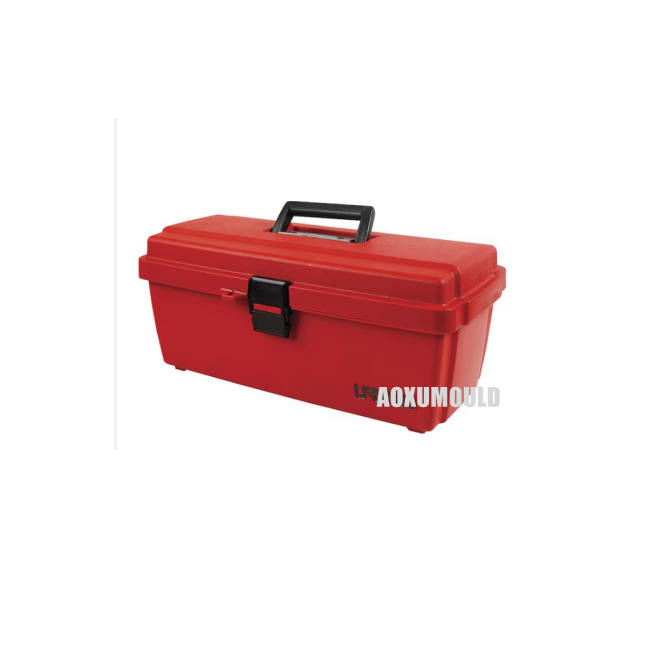
Mould Specifications
|
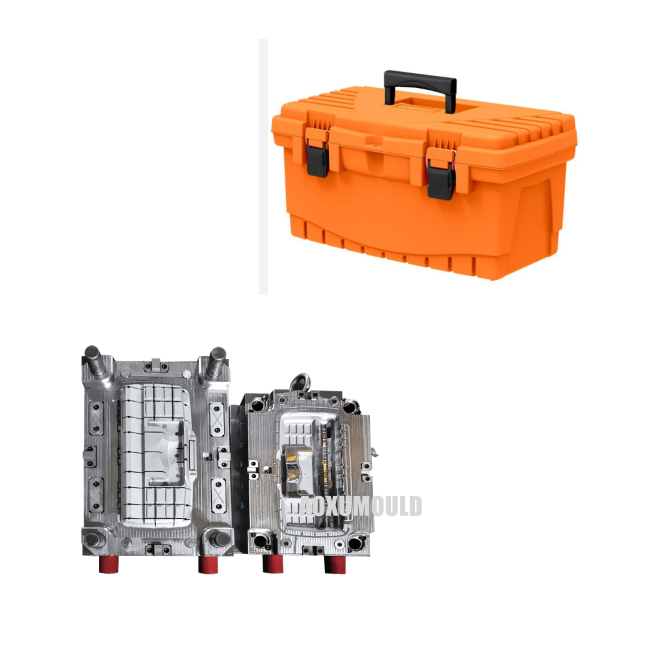
Mould name |
Durable Plastic Tool Box Mould |
|
Product material |
Polypropylene |
|
Product Size |
19.3 in. L x 10.4 in. D x 9.9 in. H |
|
Mould material for cavity &. Core |
P20, 718, 2738, etc. |
|
Mould base |
C45 |
|
Injection system |
Hot runner feeding system |
|
Suitable injection machine |
380T |
|
Mould size |
650x700x650mm |
|
Mould weight |
1800KG |
|
Mould lifetime |
More than 500,000pcs |
|
Delivery Time |
50 days |
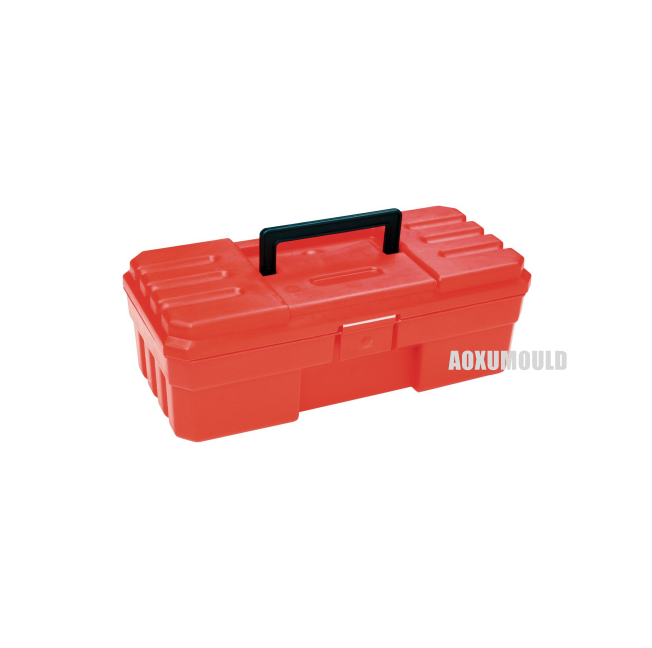
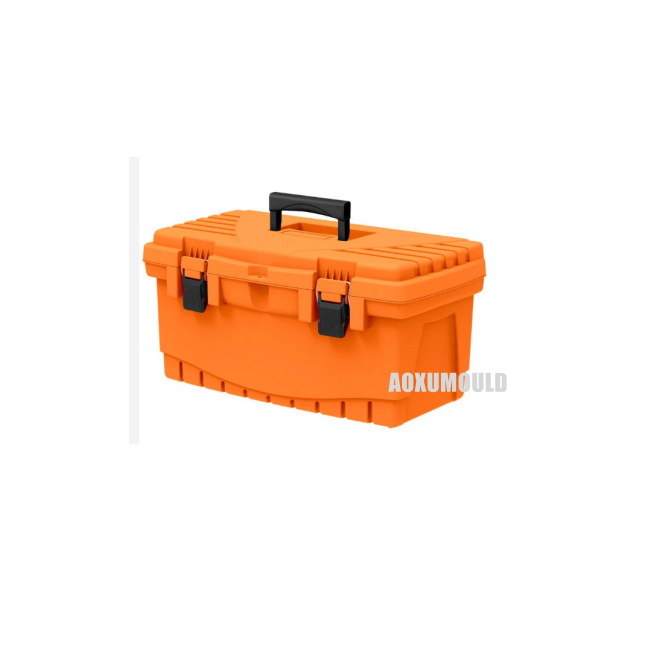
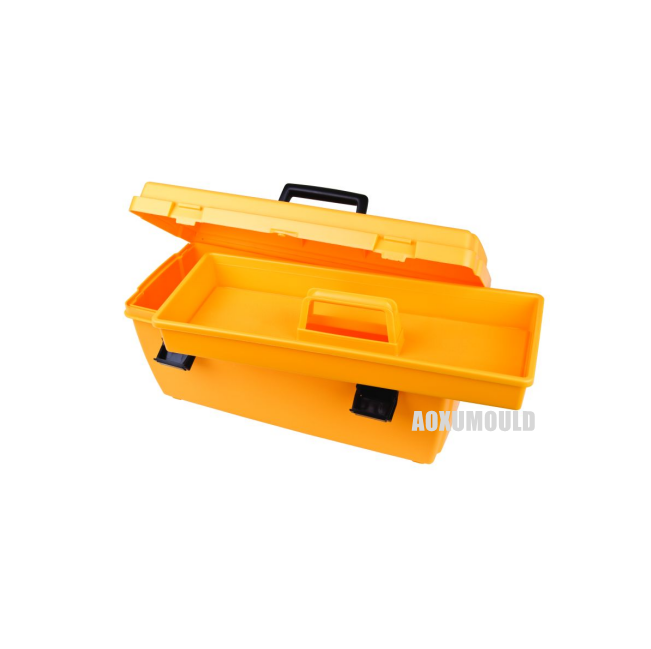
What Kind of Tool Box Can We Customize Mould?

What Type of Plastic Are Tool Boxes Made of?
Toolboxes are an essential item for many people, from professional mechanics to DIY enthusiasts. They provide a safe and secure way to store and transport tools, keeping them organised and within easy reach.
When it comes to the material used in the construction of toolboxes, plastic is a popular choice. This is due to its durability, lightweight, and affordable price point.
The type of plastic used in toolboxes can vary. Some toolboxes are made from high-density polyethylene (HDPE), while others are made from polycarbonate or polypropylene. Each type of plastic has its own unique characteristics and benefits.
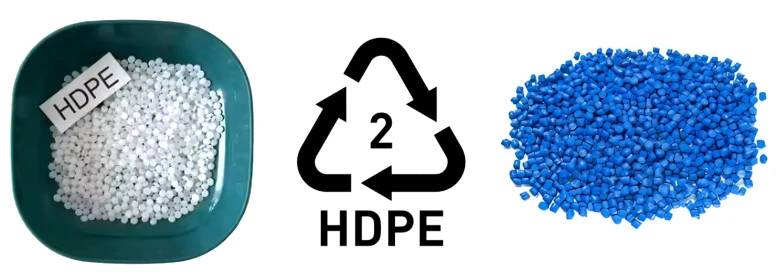
HDPE, for example, is known for its toughness and resistance to impact, making it a good choice for heavy-duty toolboxes. Polycarbonate, on the other hand, is lightweight and resistant to scratches and cracks. This makes it a great choice for portable toolboxes that need to endure frequent use and movement.
Polypropylene is another plastic commonly used in toolboxes. It is lightweight, yet durable and resistant to chemicals and heat. This makes it an excellent choice for toolboxes used in industrial settings or for storing hazardous materials.
Overall, toolboxes made from plastic offer many advantages over other materials. They are lightweight, durable, and affordable, making them a practical choice for many people who need to store and transport their tools safely and securely.
Why Does Tool Box Need Mould?
Toolboxes are essential equipment for professionals and DIY enthusiasts alike. They are used to store and organize tools, making it easy to access them whenever needed. However, toolboxes don't just appear out of nowhere; they require the use of moulds to be manufactured. In this article, we will discuss the importance of moulds in the production of toolboxes.
Firstly, moulds are responsible for creating the shape and structure of a toolbox. Without a mould, it would be impossible to produce a consistent and uniform toolbox design. A mould is essentially a template that is used to create an exact copy of the design. This ensures that every toolbox produced is identical in shape and size.
Secondly, moulds are essential in the creation of different types of toolboxes. Different types of toolboxes need different moulds, ranging from small hand-held toolboxes to large, industrial-size ones. The moulds ensure that each toolbox is made to its unique specifications.
Thirdly, moulds help to speed up the production process. Once a mould has been created, it can be used repeatedly to produce identical toolboxes. This means that manufacturers can produce toolboxes in large quantities, increasing productivity and reducing production costs. This benefits both the manufacturer and the consumer as it makes toolboxes more affordable.
Lastly, moulds ensure that toolboxes are of high quality, reducing the likelihood of defects. This is because the mould ensures that the toolbox is made to exact specifications, leaving no room for error. Moulds also help to reduce waste, as they allow for better material utilization.
In conclusion, the use of moulds in the production of toolboxes is crucial. Moulds ensure that toolboxes are produced to specific designs, types and sizes. They help speed up the manufacturing process, increase productivity and reduce costs. Moulds also help to ensure that toolboxes are of high quality, reducing the likelihood of defects and waste.
Design For Product &. Mould
The tool box mould should be designed in a way that allows for easy and efficient production. Ideally, it should be simple enough to be easily replicated, while also offering enough complexity to create the desired finished product.
In addition to the design of the mould itself, it is also important to consider the specific needs of the tool box product. This may include features such as compartments for different tools, sturdy handles for easy transport, and latch mechanisms to keep the box securely closed.

How To Make Quality Plastic Tool Box Injection Mould?
Plastic tool box mould is a crucial component in manufacturing plastic tool boxes. A high-quality mould ensures that the end product is durable, precise, and meets all the required specifications. Here are some tips on how to make a high-quality plastic tool box mould:
1. Choose the Right Material: The choice of material used in making the mold is essential. The most commonly used material is steel. Steel moulds are strong and durable.
2. Consider the Design: The mold design must be accurate and precise to ensure that the final product is of high quality. 3D computer-aided design (CAD) software can assist in creating a detailed and precise mould design.
3. Use the Appropriate Manufacturing Method: There are two methods of manufacturing a plastic tool box mould: injection molding and blow molding. Injection molding involves injecting molten plastic into a mould cavity, while blow molding involves blowing air into the mould to create the desired shape. Choose the appropriate method based on the design and specifications of the mould.
4. Maintain the Mould: Proper maintenance of the mould is crucial to ensure longevity and quality of the mold. Regular cleaning, lubrication, and inspection of the mould can prevent wear and tear and prolong the mold's lifespan.
5. Test the Mould: Before using the mould for mass-production, test the mold's functionality and quality. This will ensure that the end-product meets the necessary specifications and quality standards.
In conclusion, a high-quality plastic tool box mould is essential in manufacturing durable and precise plastic tool boxes. Choosing the right material, design, manufacturing method, maintaining the mould, and testing the mould can ensure that the final product meets the required specifications and quality standards.
Package &. Delivery

Mould Components
Mould Steel

Hot Runner System

Standard Parts

Customers' Feedback

Why Choose Us
There are many reasons why you should choose us to make your plastic tool box mould. We take pride in our craftsmanship and attention to detail, ensuring the highest quality product possible. Our experienced team of professionals understands the intricacies of plastic moulds and can create quality moulds that will meet your exact specifications.
We are committed to using only the best materials available for our moulds, ensuring that your tool box will be made to last. We also stay up-to-date with the latest technologies and techniques in the industry to ensure that our products are always of the highest quality.
Additionally, we understand that time is of the essence when it comes to manufacturing, which is why we work quickly and efficiently to complete projects in a timely manner. Our goal is to provide our customers with efficient service that exceeds their expectations.
Finally, we pride ourselves on our exceptional customer service. Our team is always available to answer any questions or concerns you may have and to provide support throughout the entire process. We strive to build long-term relationships with our customers and to ensure their complete satisfaction with every project.
In short, if you want a high-quality, precise, and durable plastic tool box injection mould, we are the right choice for you. We are dedicated to providing our customers with exceptional service, efficient turnaround times, and the best possible product. Contact us today to learn more about how we can help you with your moulding needs!


