Mould Specifications
|
Mould name |
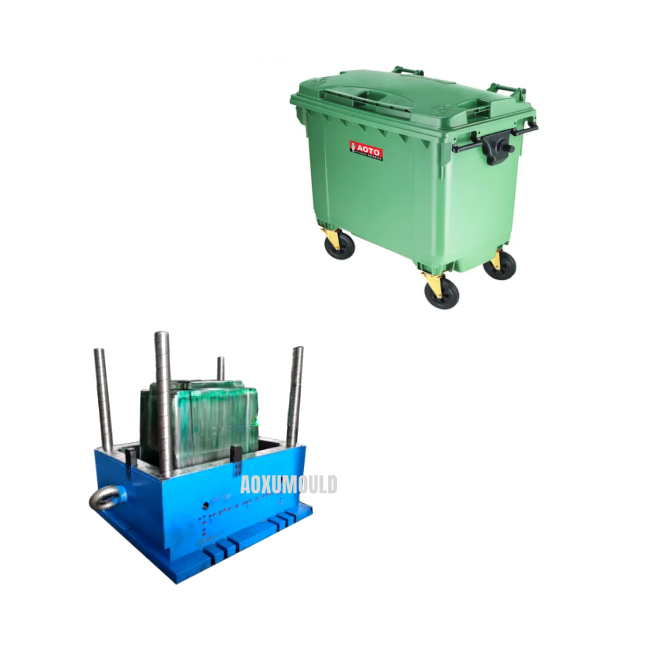
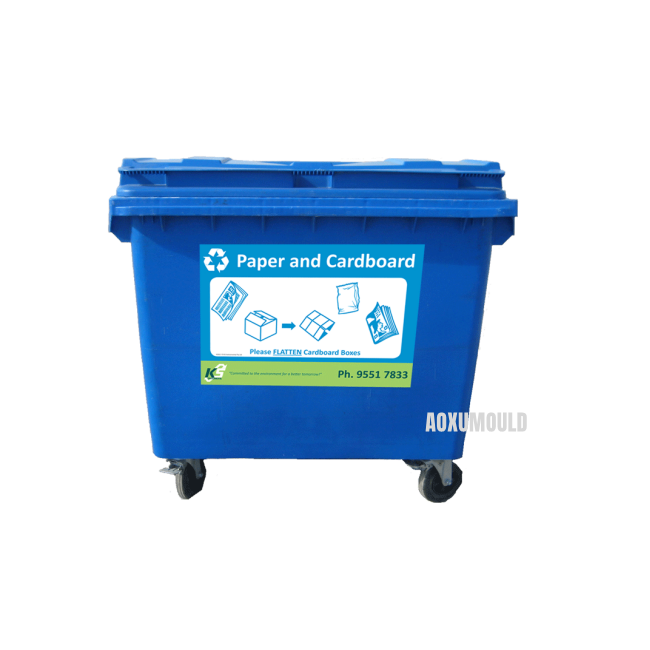
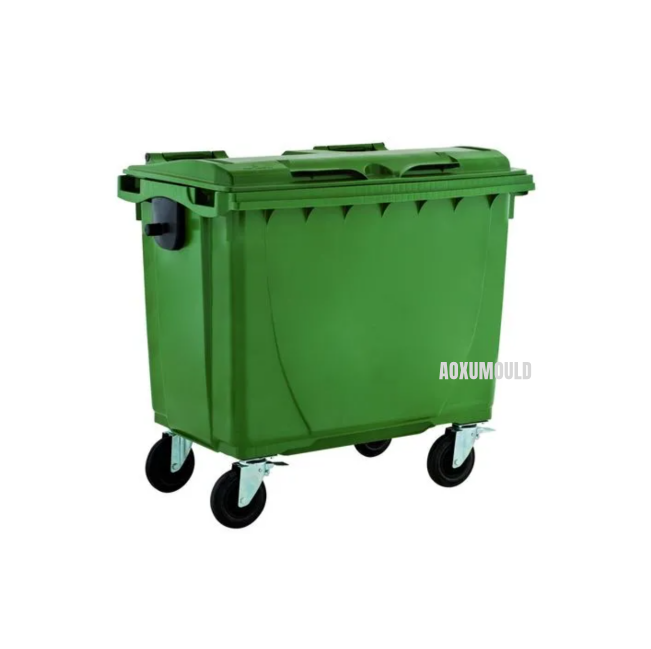
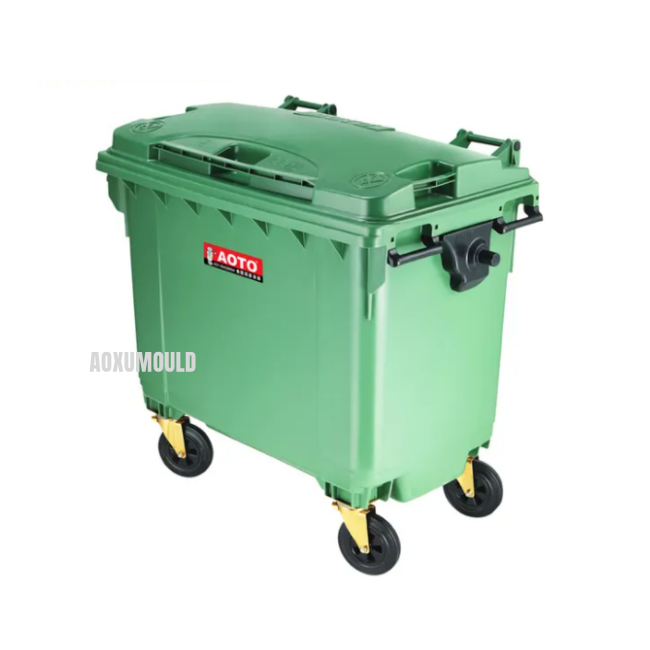
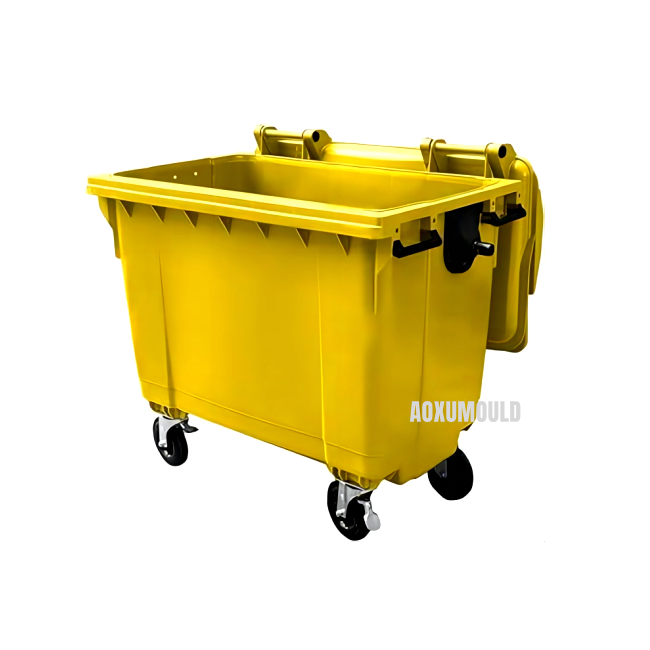
1100L Waste Container mould |
|
Product material |
HDPE, plastic |
|
Product Size |
1350X1035X1290mm(Include wheels) |
|
Product weight |
51kg |
|
Mould material for cavity &. Core |
C45, P20, 718, 2738 |
|
Mould base |
C45 |
|
Injection system |
Hot runner open gates or valve gates |
|
Suitable injection machine |
4000T |
|
Mould size |
1750x1550x1550mm |
|
Mould lifetime |
more than 300,000pcs |
Why Produce 1100litres Containers By Using Material HDPE?
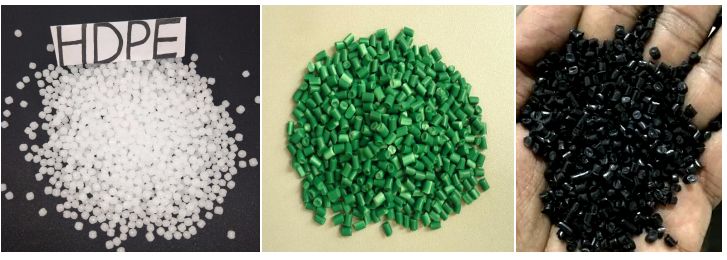
There are several reasons why producing big Waste Container moulds made of HDPE material is a positive and necessary thing.
Firstly, using HDPE material for bins ensures that the bins are sturdy and durable. HDPE is a high-quality plastic that is known for its strength and resilience, making it an ideal material for producing large bins that can handle a significant volume of waste without breaking or degrading over time.
Secondly, producing larger Waste Containers means that people can dispose of their waste more easily, without having to worry about overflowing bins or multiple trips to dispose of their trash. This is especially important in areas where waste collection is not frequent, as larger bins can hold a greater amount of waste and reduce the need for frequent collection.
Finally, using HDPE material for larger bins is also environmentally friendly. HDPE is a recyclable material, meaning that these bins can be easily repurposed once they reach the end of their lifespan. Additionally, having larger bins means that people are likely to dispose of their waste properly, reducing litter and pollution in our environment.
Overall, producing large bins made of HDPE material is a positive step towards better waste management, increased convenience for people, and a cleaner environment for all.
How To Make Quality 1100L Waste Container Mould?
Making a quality mould for 1100L containers requires careful planning and attention to detail. Here are some steps to follow:
1. Design the mould - The first step is to design the mould using CAD software. The design should include all the necessary features such as the size, shape, and thickness of the bin, as well as any required fittings or accessories.
2. Choose the right material - Selecting the right material for the mould is crucial to ensure durability and longevity. High-quality steel or aluminium alloys are commonly used for making moulds.
3. Use precision machinery - Precision machinery such as CNC machines and lathes are used to manufacture the mould. These machines ensure accuracy and consistency in the final product.
4. Conduct regular quality checks - Regular quality checks should be conducted at every stage of the manufacturing process to ensure that the mould meets the required standards.
5. Test the mould - Once the mould is complete, it should be tested to ensure that it can produce a quality bin. A sample should be taken from the mould and tested for strength and durability.
6. Make adjustments as necessary - If any issues are found during testing, adjustments should be made to the mould to address the problem. This may include adjusting the design or making changes to the manufacturing process.
By following these steps, a quality mould for 1100L bins can be created. With proper care and maintenance, the mould can produce high-quality bins for years to come.
Design For Product &. Mould
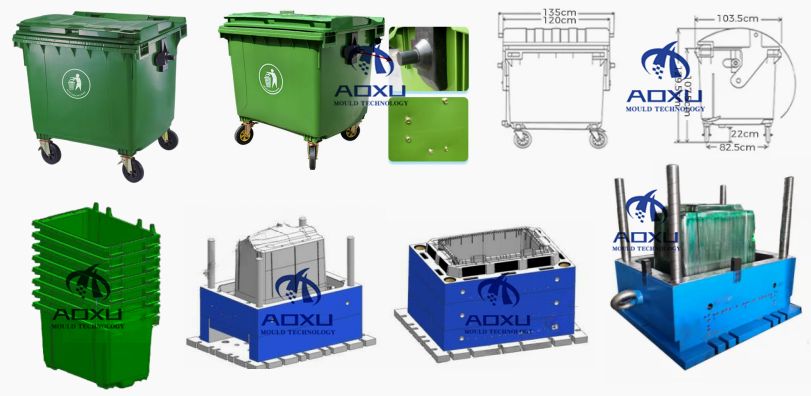
The Process of Making Plastic Waste Containers moulds

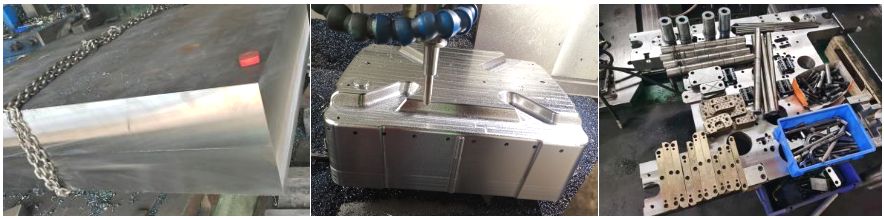
Injection molding is a widely used manufacturing process in the world. The process involves the production of plastic parts through the injection of molten plastic into a mould cavity. The injection mould is an essential tool in this process, and the production process of this mold is essential to ensure the quality of the final product.
The production process of the injection mould begins with the design and creation of the mould. The mould is typically made from steel and can be made by machining or by using computer-aided design and manufacturing techniques. Once the dustbin mould is designed, it is then manufactured using a series of machining processes, including drilling, milling, and electro-discharge machining.
After the mould is manufactured, it is inspected for quality and accuracy. Any flaws or defects are corrected, and the mould is then prepared for production. This process involves the assembly of the mould, including the addition of any necessary components such as inserts or ejector pins.
The mold is then mounted onto the injection molding machine, and the plastic resin is prepared for injection. The resin is typically heated and melted, and then injected into the mould cavity through a nozzle. The mold is then cooled to solidify the plastic, and the part is ejected from the mould.
The production process for the injection mould can be time-consuming, but it is essential to ensure the quality and accuracy of the final product. The process must be closely monitored to ensure consistency and reliability in the production of the plastic parts.
In conclusion, the process schedule of making injection moulds is an important and vital part of the injection molding process. It requires careful planning, design, and manufacturing to ensure the quality of the final product. With a positive and proactive approach, the production process of injection moulds can be optimized for maximum efficiency and productivity.
Try-out of 1100Litres Plastic Waste Container Mould
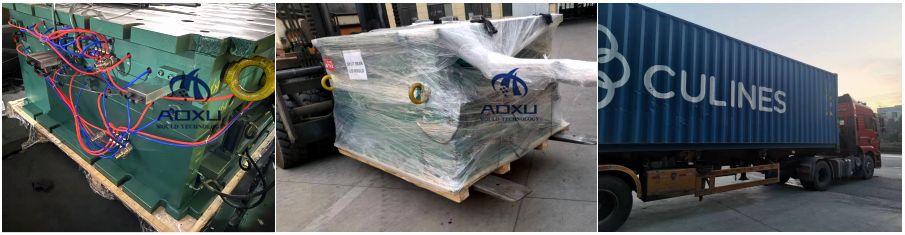
Package &. Delivery
Mould Components
Mould Steel
Hot Runner System

Standard Parts

FAQ
Q: What is injection mould?
Q: What materials are used to make Waste Container injection moulds?
Q: What is the process of making a injection mould?
Q: Can moulds be customized to specific product requirements?
Q: What are some factors to consider when making our plastic moulds?
Q: How long does it take to make one set of 1100L waste container mould?
However, it usually takes between 6 and 8 weeks.
Q: What can be done to ensure the mould quality?
Q: How long can a mould last?
Q: What are the benefits of making plastic injection moulds?
Q: Can our 1100L waste container mould be repaired and maintained?
Why Choose Us
1. Experience: We have been in the plastic injection mould making business over 13 years. This means that we have accumulated a wealth of experience and expertise in producing high-quality moulds that meet the needs of our clients.
2. Quality: We are committed to providing our customers with the highest quality of injection moulds possible. We use only the best materials and the latest technology to ensure that our moulds are of the highest standard.
3. Customization: We understand that every client has unique needs and requirements. That's why we offer a highly customize service that allows us to tailor our moulds to the specific needs of our clients.
4. Efficiency: We are committed to delivering our moulds in a timely and efficient manner. We understand that time is of the essence in the manufacturing industry, and we work tirelessly to ensure that our clients receive their moulds quickly and without any delays.
5. Customer service: We pride ourselves on providing excellent customer service to our clients. We are always available to answer any questions or concerns that our clients may have, and we work hard to ensure that they are completely satisfied with our work.
Overall, if you're looking for a reliable and experienced plastic injection mould maker that is committed to delivering high-quality products and excellent customer service, then look no further than us. We would be delighted to work with you on your next injection moulding project.
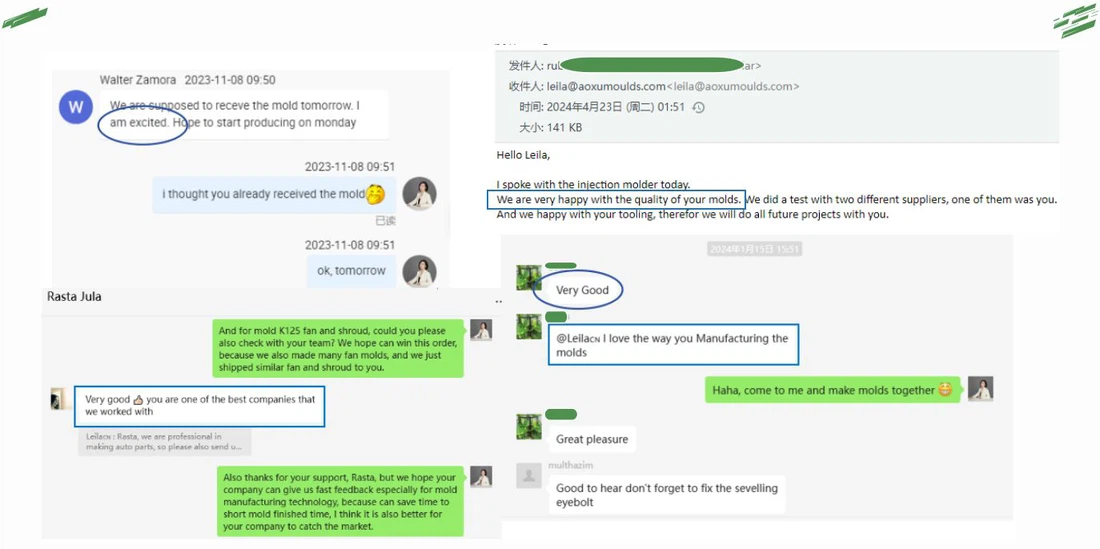
Customers' Feedback