
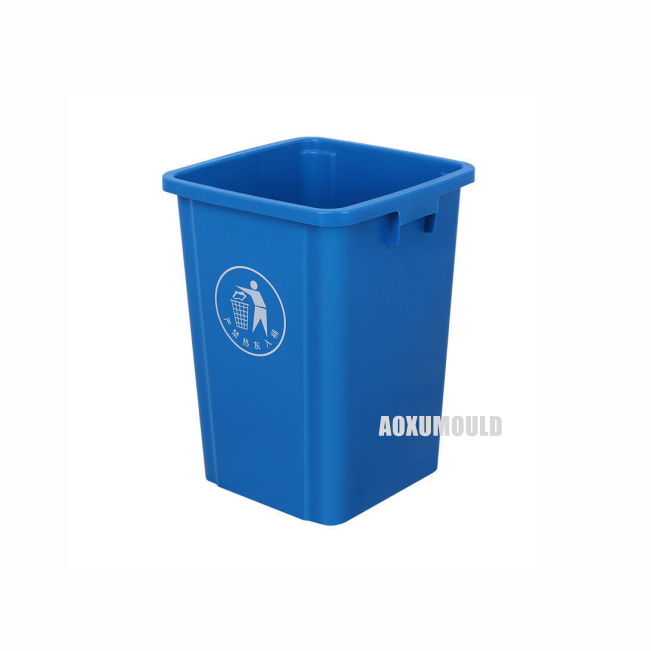
Mould Specifications
|
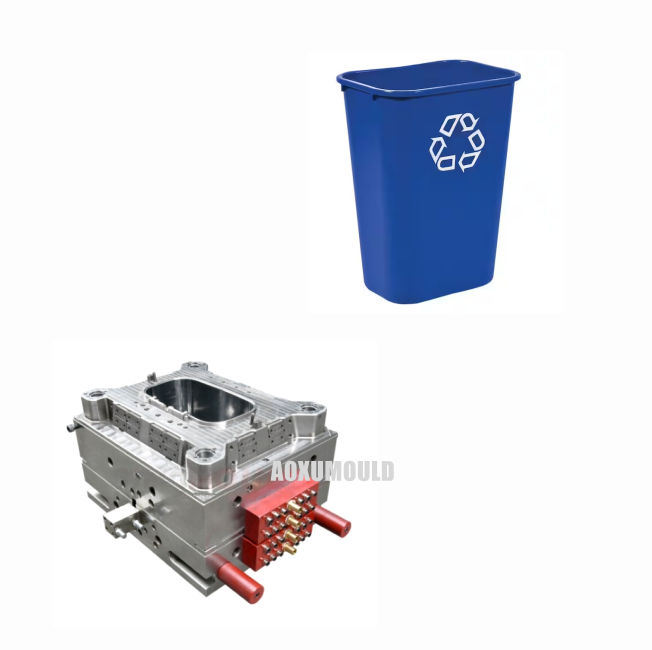
Mould name |
Plastic Recycle bin mould |
|
Product material |
Plastic |
|
Product Size |
4"L x 3"W x 10"H |
|
Product Capacity |
24 Liters |
|
Mould material for cavity &. Core |
718 |
|
Mould base |
C45 |
|
Injection system |
Cold runner |
|
Mould lifetime |
More than 500,000pcs |
The Characteristic of Molding Recycle Bins

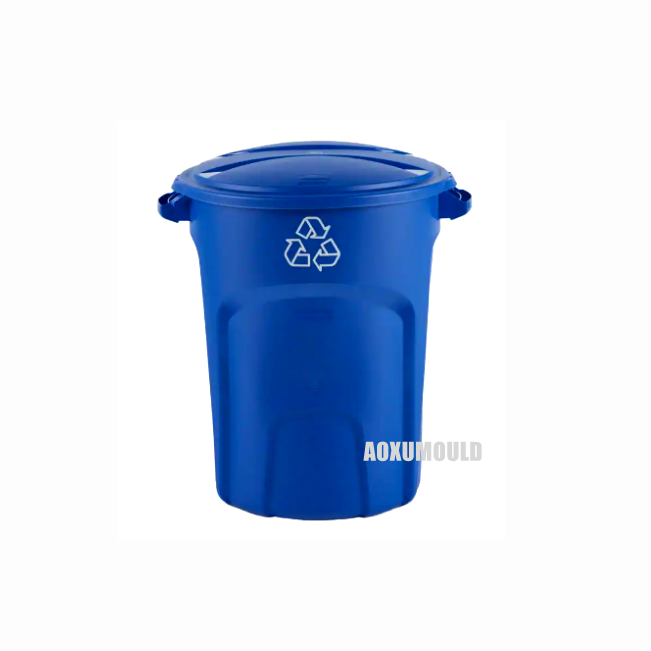
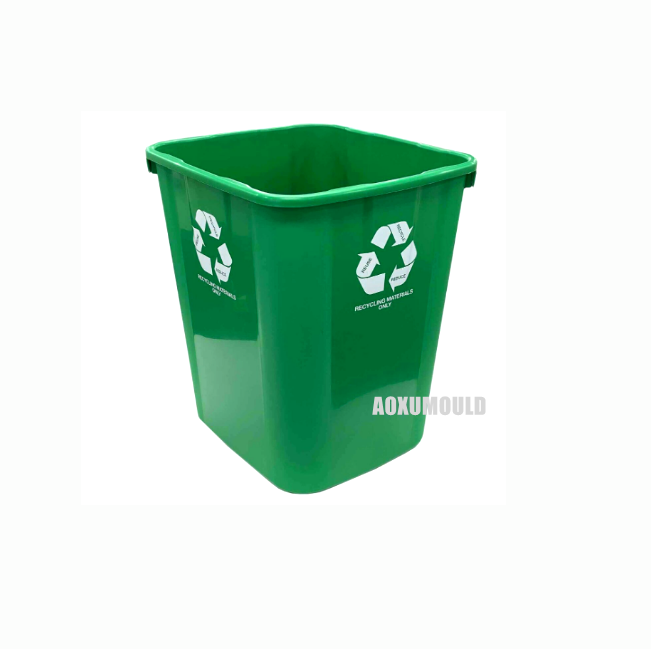
1. Efficient Recycling Solution: Make it a highly efficient recycling solution for offices, schools and home;
2. Durable Plastic Construction: Crafted from high-quality plastic, thick walls, no sharp edges and a Universal Recycling Symbol in each one matching the color and product that will be recycled; These recycle bins are built to last, ensuring long-term use and durability;
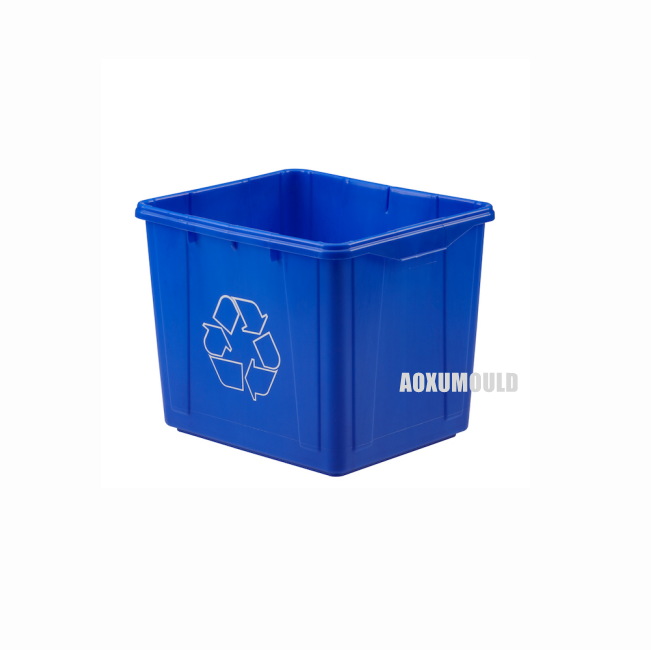
3. Stackable Design: When not in use, these bins can be conveniently stacked to save space, making them perfect for small living spaces, offices, or any area with limited storage;
4. Easy to Clean: The smooth, easy-to-wipe surfaces ensure that maintaining them is hassle-free, helping to keep your recycling area tidy and hygienic;
5. Product Dimensions: 14 1/4" X 10 3/8" X 15 1/8" , approximate 6.75 Gallon/ 27 Quart/ 24 Liter ; This set of recycling bins simplifies the recycling process and contributes to a greener environment by promoting responsible waste disposal.
Design For Product &. Mould

How To Make Quality Recycle Bin Injection moulds?
Recycling is a crucial aspect of our modern world. To promote sustainability and environmental consciousness, it is necessary to create an efficient recycling system. One way to achieve this is by producing quality recycle bin injection moulds.
Here are some tips on how to create high-quality recycle bin injection moulds:
1. Choose the right material
Selecting the perfect material for your recycle bin injection mould is the first step to ensure quality. The material should be durable and resistant to wear and tear. Choose a material that can withstand high-pressure injection and can be easily polished.
2. Design the mould with precision
Precise design is a crucial aspect of creating quality moulds. Use state-of-the-art technology, like CAD and CAM software, to ensure that the mold design is accurate. This will allow you to precisely control the injection molding process, resulting in high-quality products.
3. Use the right amount of plastic material
Using the correct amount of plastic material is vital in creating a quality recycle bin injection mould. The volume and quality of the plastic material will impact the overall strength of the mold. Be sure to calculate the exact amount of plastic material required for the mold.
4. Choose a good quality injection molding machine
A quality injection molding machine is crucial in creating quality moulds. Select an injection molding machine that is known for its accuracy, reliability, and durability. A good injection molding machine will ensure consistent production of high-quality molds.
5. Conduct frequent maintenance
Regularly maintaining your injection molding machine is essential in ensuring the longevity of your mould. Always keep the machine clean and lubricated and conduct routine inspections to ensure it is in optimum working condition.
In conclusion, creating quality recycle bin injection moulds requires attention to detail, precision design, and the right materials and machinery. By following these tips, you can produce high-quality recycle bins that promote sustainability and environmental consciousness.
Our Bin Mould Molding in Customer's Workshop
Package &. Delivery

Mould Components
Mould Steel
Hot Runner System

Standard Parts

How Do We Control Mould Quality?
When it comes to controlling the quality of recycled plastic, one important aspect is the prevention or management of mould growth. Mould can affect both the aesthetics and structural soundness of recycled plastic products, leading to inferior quality and even a shortened lifespan. Here are some tips on how to control our bin mould quality:
1. Choose a high-quality recycled plastic supplier
The quality of the recycled plastic material used plays a critical role in determining how resistant it is to mould. Choose a reputable recycled plastic supplier with a history of producing high-quality products.
2. Ensure good manufacturing practices
The manufacturing process of should adhere to good manufacturing practices. AOXU ensures that products are manufactured in a clean and hygienic environment, minimizing the chances of mould contamination.
3. Use proper storage and transportation
Recycled plastic should be stored and transported in dry and well-ventilated conditions. Moisture and warm temperature can promote mould growth. Proper storage and transportation can prevent moisture build-up and mould growth.
4. Regular cleaning and maintenance
Regular cleaning and maintenance of the recycling bins can prevent mould growth. Proper cleaning using a diluted bleach solution or other approved disinfectant can help to kill any mould spores that are present.
In conclusion, controlling mould quality when manufacturing recycling bins is important in producing high-quality products. By following good manufacturing practices, choosing a reputable recycled plastic supplier, proper storage and transportation, and regular cleaning and maintenance, manufacturers can ensure that their recycling bins are of the highest quality and free from mould contamination.
How To Do Good Work For Recycle Bin Mould Maintenance?

Mould maintenance is an integral part of the manufacturing process. It is essential to ensure that your plastic recycle bins moulds function correctly, with no errors or defects that can compromise the production process. Proper mould maintenance can help prolong its lifespan, reduce costs, and increase productivity. Here are some tips for maintaining your moulds.
Firstly, clean the molds regularly. Dirt, dust, and other contaminants can affect the quality of the mould. Proper cleaning helps maintain the moulds' performance and reduces the chances of material sticking to the surface, preventing production defects.
Secondly, Lubricate moving parts such as pins, slides, and other areas that require lubrication. This will help prevent friction and wear, and it will also reduce the likelihood of mould failure when in use.
Thirdly, Inspect moulds regularly and promote preventative maintenance. Keep an eye out for any signs of damage and repair these issues early, before they become major problems. Regular inspections will help you catch any issues before they cause production problems.
Finally, Store moulds in a clean, dry area, away from any dirt or moisture which can contribute to mould corrosion or damage. Proper storage conditions will help prolong the life of your moulds.
In conclusion, mould maintenance is a vital part of manufacturing processes. Proper maintenance is key to ensuring your moulds function correctly, resulting in higher production quality and greater efficiency. By following the tips mentioned above, you can keep your moulds in good condition, thus ensuring smooth production and avoiding costly downtime.
Customers' Feedback