

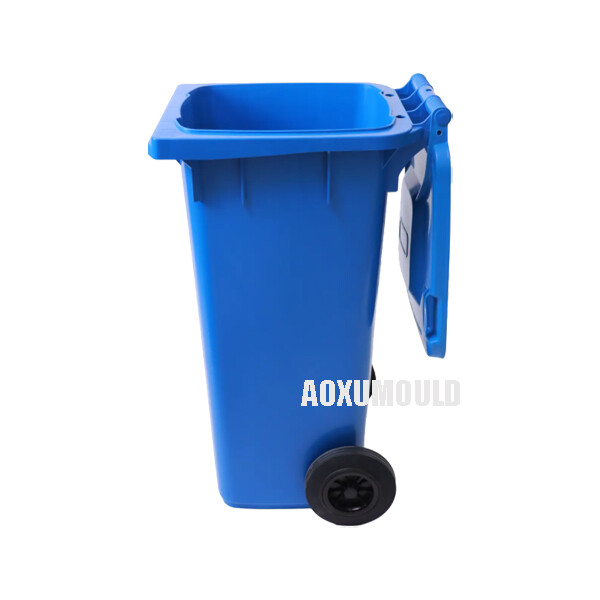
Mould Specifications
|
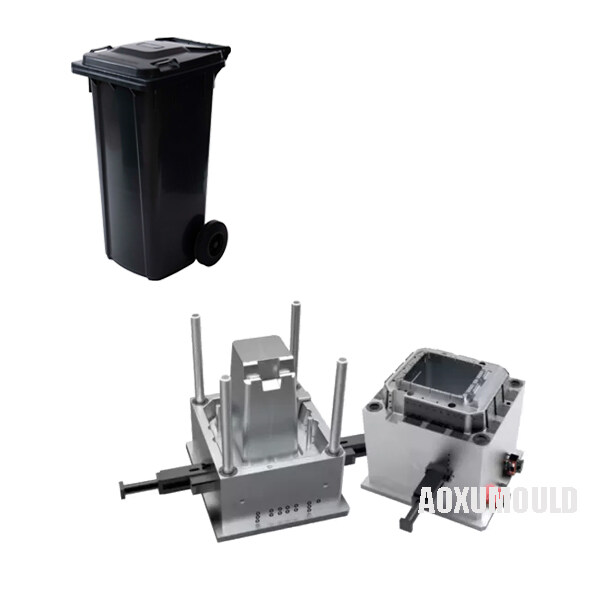
Mould name |
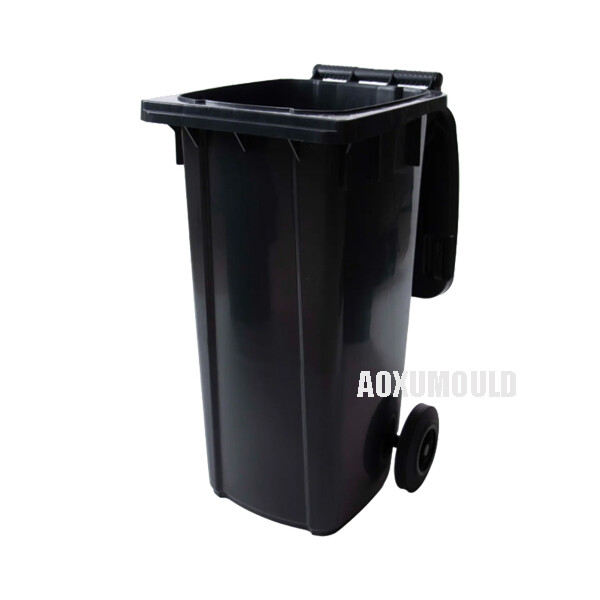
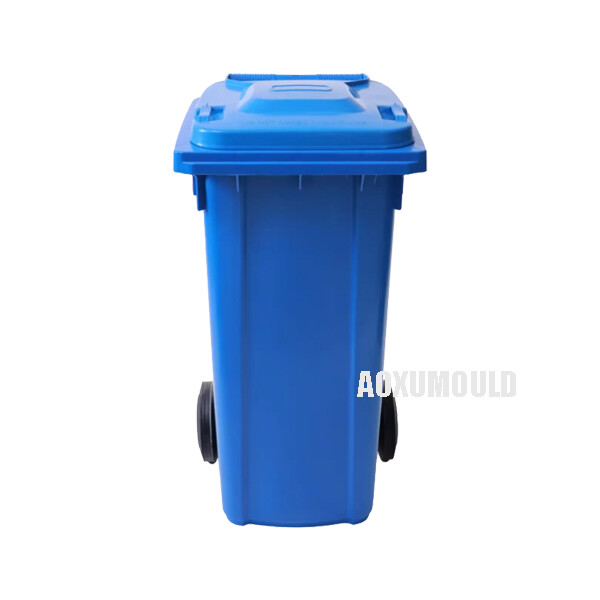
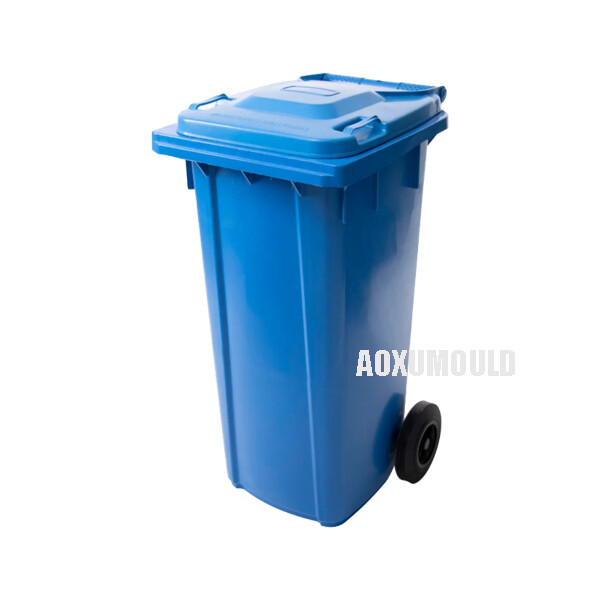
120L Bin Mould |
|
Bin material |
HDPE, PP, plastic |
|
Bin Size |
550X490X840mm |
| Bin weight | 7.0kg |
|
Bin Volume |
120L |
|
Mould material for cavity &. Core |
P20, 718 |
|
Mould base |
P20 |
|
Injection system |
Cold runner |
|
Suitable injection machine |
1200T |
|
Mould size |
780X760X1100mm |
|
Mould lifetime |
more than 500,000pcs |
120L Bin Models Comparison: Model A vs. Model U (Pedal) vs. Model G (Reinforced)

1.Model A - Standard Wheelie Bin
Structure: Traditional rounded design
Mobility: 2 large wheels (200mm)
Lid: Basic flip-top
Special Features:
Ergonomic handle
UV-stabilized HDPE
Best For: General household/street use
2.Model G - Premium with Reinforced Ribs
Structure: Vertical reinforcement ribs
Mobility: 2 oversized wheels (250mm)
Lid: Soft-close flip-top
Special Features:
Extra wall support ribs
Anti-tip design
High-impact copolymer
Best For: Municipal collections with rough handling
3.Model U - Heavy-Duty with Pedal
Structure: Square-bodied with reinforced corners
Mobility: 2 heavy-duty wheels (250mm)
Lid: Pedal-operated with lock
Special Features:
Steel-reinforced base
Wheel guards
Industrial-grade HDPE
Best For: Commercial/industrial sites needing hands-free operation
How To Make Good Quality 120L Bin Mould?
1. Designing the mould: Start by creating a detailed design of the 120L bin mould. Consider factors such as the size and shape of the bin, as well as any additional features like handles or wheels. The design should be precise and tailored to meet the specific requirements of the bin.
2. Selecting the right materials: Choose high-quality materials for the mould that are durable and can withstand the pressure and temperature requirements of the moulding process. Consider materials like steel for the mould base and inserts to ensure longevity.
Mould Steel (Critical for Longevity)
|
Steel Type |
Best For |
Lifespan (Cycles) |
|
P20 / 718H |
Low/medium production |
50,000–100,000 |
|
H13 / S136 |
High-volume production |
200,000–500,000+ |
Plastic Material (Bin Quality)
HDPE (Recommended) – Superior impact & UV resistance.
PP (Alternative) – Lighter but less rigid.
3.Precision engineering: Use advanced machining techniques to create intricate details and smooth finishes.
CNC Milling & EDM
CNC machining for core/cavity shaping.
EDM (Electrical Discharge Machining) for fine details (logos, textures).
Polishing & Texture
Mirror polish for smooth ejection.
Grit-blasted finish for matte aesthetics.
4. Proper cooling and ventilation: To ensure the plastic bin moulding process goes smoothly, it is essential to have proper cooling and ventilation systems in place. This will help prevent warping and defects in the final product.
5. Testing and troubleshooting: Before mass producing the bins, test the mould to ensure it produces bins of the desired quality. Make any necessary adjustments or repairs as needed to ensure consistent results.
By following these steps and paying attention to detail, you can create a good quality 120L bin mould that will produce durable and efficient bins for years to come. Remember to continuously monitor and maintain the mould to ensure optimal performance.
Design For Product &. Mould
|
|

Mould Maintenance Tips
1. Regular Cleaning
After Each Production Run:
Remove plastic residues (especially for materials like HDPE/PP) using non-abrasive solvents or ultrasonic cleaning.
Avoid metal scrapers that can damage the mold surface.
Vent Cleaning: Clear clogged vents to prevent gas traps and burn marks on parts.
2. Lubrication & Corrosion Prevention
Moving Parts: Apply high-temperature grease to ejector pins, guide rails, and sliders weekly.
Storage:
Coat the mold with anti-rust oil if idle for >1 week.
Store in a dry, temperature-controlled environment.
3. Cooling System Maintenance
Monthly Flushing: Remove mineral deposits in cooling channels with descaling agents.
Leak Tests: Check for water leaks that could cause corrosion or uneven cooling.
4. Proper Handling & Storage
Apply rust inhibitor (e.g., VCI paper or anti-corrosion spray).
Store in a dry, temperature-controlled environment (humidity <60%).
Cover with protective film to prevent dust accumulation..
Package &. Delivery

1.Before the bin mould is shipped, we will check whether the opening and closing of the mould is smooth, the water cooling system,the hydraulic oil system and the hot runner system.
2. The cavity and core are cleaned without iron filings and impurities.
3. Blow the waterway clean to prevent long-term sea transportation from rusting.
4. We spray anti-rust agent on the inside of the mold, spray paint on the outside of the mould, and apply anti -rust oil on the thimble.
5. We will put a nameplate on the mold, it shows the mould name, the year of production and mould information, mould weight and size.
6: Mould parts are provided free of charge (convenient for customers to replace).
Mould Components
Mould Steel

Hot Runner System

Standard Parts

How to do 120L Bin Mould Order Processing?
|
Step 1: Define Your Requirements >Before contacting a mold manufacturer, clarify: >Bin Design (3D model or drawings – .STEP/x_t format preferred). >Material (HDPE, PP, recycled plastic?). >Production Volume (low/high volume – affects mould steel choice). >Mould Lifespan (50,000 shot). >Hot runner vs. cold runner system? >Surface Finish (smooth, textured, grain pattern?). >Additional Features (handles, wheels, logos, stackability). Step2: Request Quotes & Compare Offers Provide: >3D files or technical drawings. (If don't have design, please send sample photos with size information.) >Material type, expected cycle time, and cavitation (single/multi-cavity). Step 3: Finalize Mold Design (DFM Review) Our company will provide: >DFM Report (Design for Manufacturability – checks draft angles, wall thickness, ejection, etc.). >Mold Flow Analysis (simulates plastic filling to prevent defects). >Approval of 3D mould design before machining. Step 4: Bin Mould Manufacturing &. QC Checks Stages: >Machining (CNC, EDM, polishing). >Trial shots (test moulds with actual plastic). >Adjustments (fine-tuning for defects like warpage or sink marks). >Final inspection (dimension checks, surface quality). Step 5: Mold Delivery & Production Start Shipping: >FOB (you arrange freight) or CIF >Ensure proper packaging to prevent damage. Production: >Conduct initial production runs to verify consistency. >Optimize cycle time and cooling system for efficiency. Step 6: After-Sales Support >We will offer: Technical support (troubleshooting molding issues). >Mould maintenance (cleaning, lubrication, repair services).
|
FAQ
|
>1. Do you offer customization services for the 120L bin moulds? Yes, we offer customization services for our 120L bin moulds. Our team of skilled designers and engineers can work with you to create a mould that meets your specific requirements and specifications. >2. What materials do you use for the bin moulds? We use high-quality and durable materials (e.g. P20, 718H, S136) for our bin moulds to ensure their longevity and performance. Our moulds are built to withstand the rigors of daily use and are designed to provide reliable and consistent results. >3. What Plastic Material is Best for 120L Bins? HDPE (High-Density Polyethylene) –Best for durability & UV resistance. PP (Polypropylene) –Lighter but less rigid (better for indoor bins). >4. Can you provide samples of your 120L bins? Yes, we can provide samples of our 120L bins upon request. Our samples allow you to see the quality and craftsmanship of our moulds first-hand before making a larger purchase. >5. What is the lead time for ordering a bin mould? The lead time for ordering a dustbin mould can vary depending on the quantity and complexity of the order. Generally it takes about 50-55days for T1. However, we strive to deliver our products in a timely manner to meet the needs of our customers. >6. Do you offer any post-purchase support or maintenance services for the 120L dustbin moulds? Yes, we offer post-purchase support and maintenance services for our 120L dustbin moulds. Our team is available to assist you with any questions or concerns you may have about your mould, and we can provide maintenance services to ensure its continued performance and longevity.
|
Customers' Feedback


