

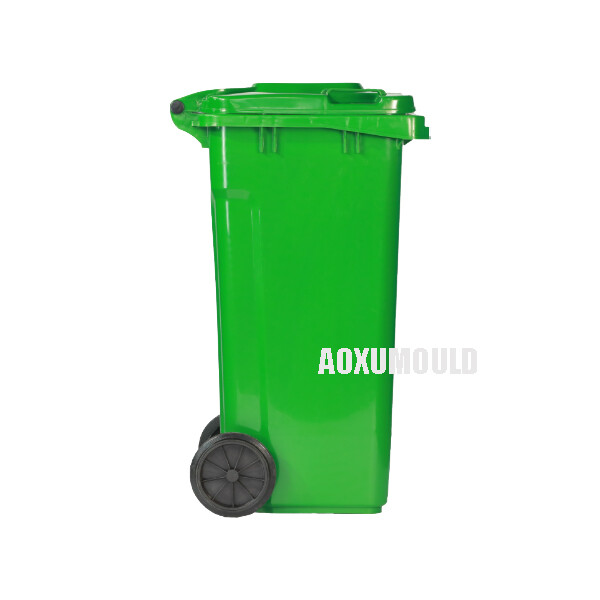
Mould Specifications
|
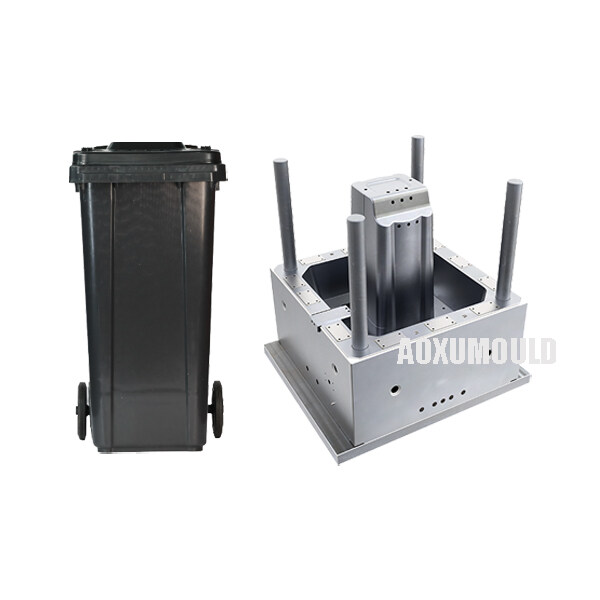
Mould name |
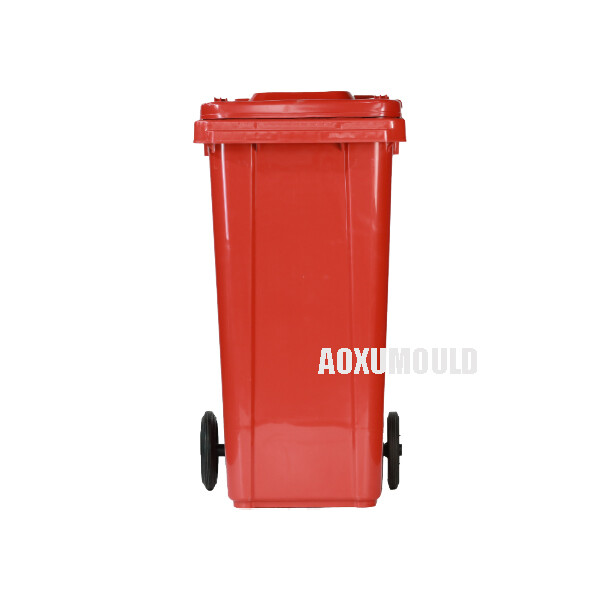
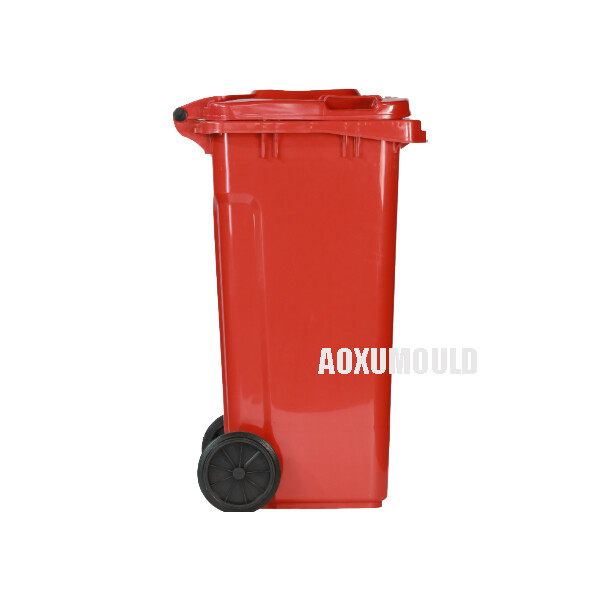
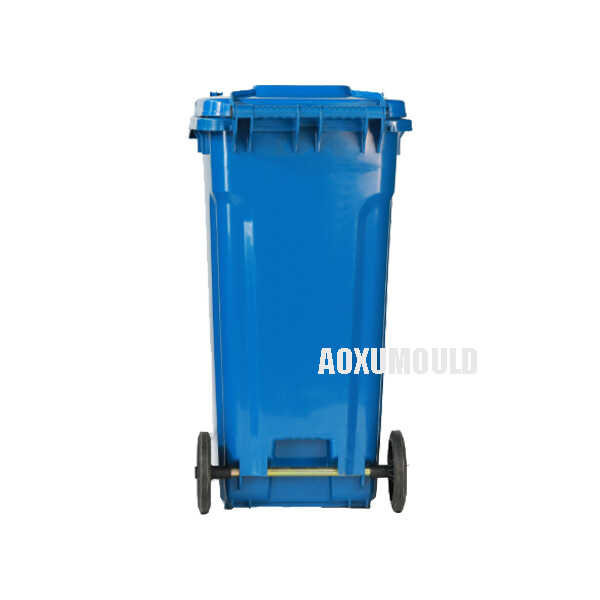
Plastic Wheeled Dustbin Mould |
|
Dustbin material |
HDPE, PP, plastic |
|
Dustbin Size |
560X470X920mm |
|
Dustbin Volume |
120L |
|
Mould material for cavity &. Core |
P20, 718 |
|
Mould base |
P20 |
|
Injection system |
Cold runner |
|
Suitable injection machine |
1350T |
|
Mould size |
790X880X1150mm |
|
Mould lifetime |
more than 500,000pcs |
What's The Structure Of Plastic Wheeled Dustbin?

1. Main Body (Container)
Material: Typically made of PP (Polypropylene) or HDPE (High-Density Polyethylene) for strength and weather resistance.
Shape: Round, rectangular, or square (varies by design).
Capacity: Ranges from 20L (small household bins) to 360L (industrial/commercial bins).
2. Lid (Cover)
Types:
Flip-top lid (manual or touchless).
Swing lid (opens when pedal is pressed).
Removable lid (for easy emptying).
Material: Same as the body (often with added UV protection).
3. Wheels & Axle System
Wheels:
Usually 2 or 4 wheels (heavy-duty bins may have 4).
Made of PP, rubber, or TPU for smooth rolling.
Size: 75mm–200mm (larger wheels for rough terrain).
Axle:
Metal or reinforced plastic rod for durability.
Designed to support weight without bending.
4. Handles
Types:
Top handle (for lifting).
Side handles (for tilting/bin dragging).
Ergonomic grips (comfortable for users).
Material: Integrated into the bin body or added as a separate component.
5. Pedal Mechanism (Optional)
Found in pedal-operated bins for hands-free use.
6. Branding/Logos (Customizable)
Embossed or printed labels for identification.
Advantages Of Plastic Wheeled Dustbin Mould
1. Durability & Strength
Plastic wheeled dustbins need to withstand heavy loads and rough handling.
High-quality moulds ensure consistent production of robust bins with uniform thickness.
2. Mobility & Convenience
Wheeled dustbins are easier to move, especially for large-capacity bins.
The mould allows precise shaping of wheel attachments for smooth rolling.
3. Cost-Effective Mass Production
Injection moulding enables fast, large-scale production with minimal waste.
Reduces per-unit cost compared to metal or handmade alternatives.
4. Customizable Design
Moulds can be tailored for different sizes, shapes (rectangular, round), and features (lids, handles, pedal systems).
Options for branding or embossed logos.
5. Weather & Corrosion Resistance
Plastic bins resist rust, chemicals, and moisture better than metal bins.
Ideal for indoor and outdoor use (UV-resistant plastics available).
6. Easy Maintenance & Hygiene
Smooth plastic surfaces prevent waste sticking and allow easy cleaning.
Moulded designs can include antimicrobial additives.
7. Lightweight Yet Sturdy
Plastic bins are easier to lift and transport compared to metal ones.
Reinforced mould designs ensure stability even when full.
How To Quality Manufacture A Plastic Wheeled Dustbin Mould?
|
|
Manufacturing a high-quality plastic wheeled dustbin mould requires precision, attention to detail, and a commitment to ensuring the final product meets or exceeds industry standards. Here are some key steps to follow in order to quality manufacture a plastic wheeled dustbin mould:
1. Design:
Use SolidWorks, AutoCAD, or UG NX to design the mould structure, including:
Cavity & core (for bin body, lid, wheels).
Sliders & lifters (for undercuts like handles/pedals).
Cooling channels (for even temperature distribution).
Simulate mold flow analysis (e.g., Moldflow) to prevent defects like warping or sink marks.
2. Material Selection:
Mould Steel:
P20, 718H, or H13 steel (for high durability, 500K+ shots).
S136 Stainless Steel (for corrosion-resistant, glossy finishes).
Plastic Material for Bin:
PP (Polypropylene) – Impact-resistant, lightweight.
HDPE (High-Density Polyethylene) – UV/chemical-resistant.
3. Mould Making:
CNC Milling & EDM (Electrical Discharge Machining)
CNC machines carve the mould cavity/core with ±0.02mm tolerance.
EDM refines complex shapes (e.g., pedal mechanisms, wheel slots).
Grinding & Polishing
Mirror polishing ensures smooth bin surfaces (prevents sticking).
Textured finishes (if required for grip or branding).
4. Quality Control: Throughout the manufacturing process, it is important to conduct regular quality control checks to ensure the mould meets all specifications and standards. This may involve conducting tests for durability, strength, and overall performance.
5. Assembly: Once the mould is complete, it is essential to carefully assemble all the components to create the final wheeled dustbin product.
6. Testing: Before the final product is released to the market, it is crucial to conduct thorough testing to ensure it meets all safety and performance requirements. This may involve conducting tests for weight capacity, durability, and ergonomic design.
By following these steps and paying close attention to detail throughout the manufacturing process, you can ensure that your plastic wheeled dustbin mould is of high quality and meets or exceeds industry standards. With a commitment to precision and quality, you can produce a product that is durable, reliable, and long-lasting.
Design For Product &. Mould
|
|

How To Molding The Wheeled Dustbins?
Package &. Delivery

Mould Components
Mould Steel

Hot Runner System

Standard Parts

How To Maintenance Our Plastic Wheeled Dustbin Mould?
|
Maintaining our plastic wheeled dustbin mould is essential for its longevity and efficiency. By following these simple steps, we can ensure that our mould remains in optimal condition: 1. Regular cleaning: It is important to regularly clean the mould to remove any dust, dirt, or debris that may accumulate. Use a mild detergent and warm water to clean the mould thoroughly. Make sure to dry the mould completely before using it again. 2. Lubrication: To prevent sticking and ensure smooth operation, it is recommended to lubricate moving parts of the mould with a suitable lubricant. This will help reduce friction and increase the lifespan of the mould. 3. Inspect for wear and tear: Regularly inspect the mould for any signs of wear and tear, such as cracks, dents, or scratches. If any damage is found, it should be repaired or replaced immediately to prevent further damage. 4. Proper storage: When the mould is not in use, store it in a cool, dry place away from direct sunlight and moisture. This will help prevent degradation of the plastic material and maintain the mould's structural integrity. 5. Avoid overloading: To prevent damage to the mould, avoid overloading it with excessive weight or force. Follow the manufacturer's guidelines for maximum weight capacity and usage recommendations. |

FAQ
|
>1. What types of wheeled dustbin moulds do you manufacture? We produce injection moulds for various wheeled dustbins, including: Household & commercial bins (20L–240L) Pedal-operated bins (hands-free opening) Heavy-duty industrial bins (with reinforced bases) Custom designs (branded logos, unique shapes, etc.). >2. What kind of plastic do you use to make the dustbin molds? We use high-quality and durable plastic materials such as HDPE or PP to ensure the longevity and sturdiness of our dustbin molds. >3. What materials are used for the moulds? High-grade steel (e.g., P20, 718H, H13) for durability and precision. >4. How long does it take to make a dustbin mold? The production time for a dustbin mold varies depending on the complexity and size of the mold. However, on average, it takes about 55-60 days to complete the manufacturing process. >5. Can you customize the design of the dustbin molds? Yes, we offer customization services to tailor the design of the dustbin molds according to your specific requirements. Our team of experienced engineers and designers will work closely with you to ensure that the mold meets your exact specifications. >6. How do you ensure the quality of the dustbin molds? We have strict quality control procedures in place throughout the manufacturing process to ensure that all our dustbin molds meet the highest standards of quality and performance. Our team conducts rigorous testing and inspections to guarantee the reliability and durability of the molds. >7. Do you provide sample bins before mass production? Yes, we offer T1 samples for approval before full production.
|
Customers' Feedback


