

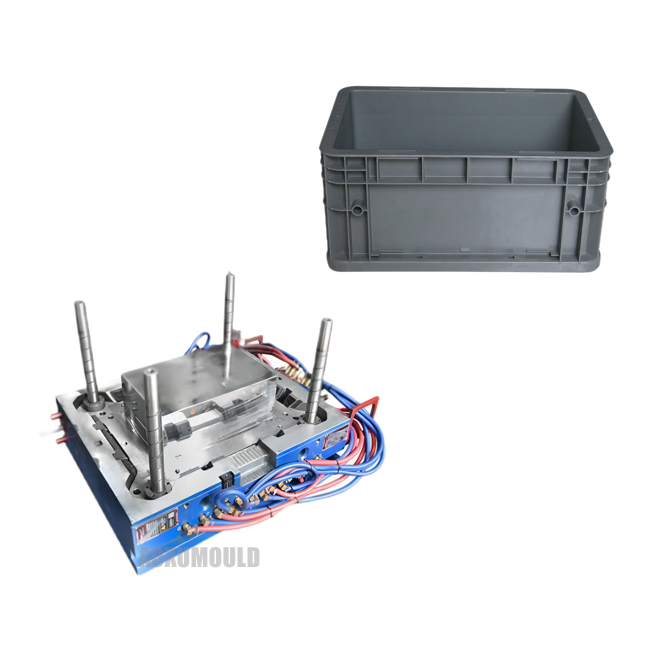
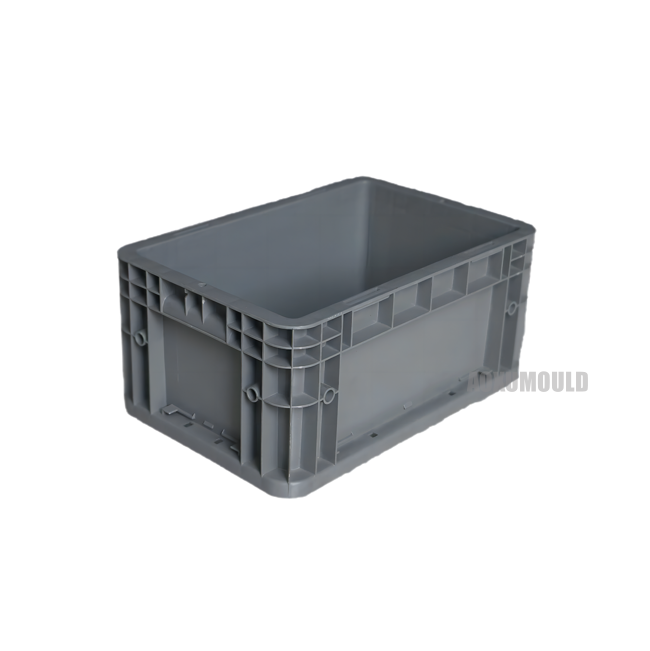
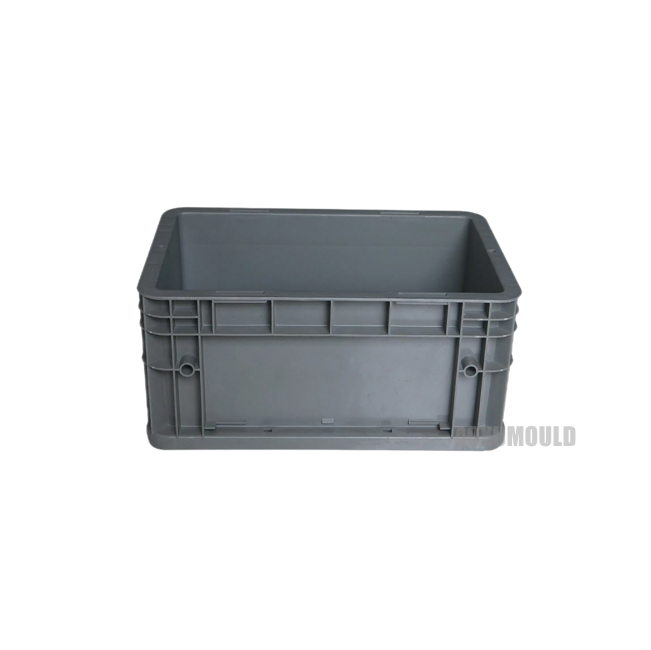
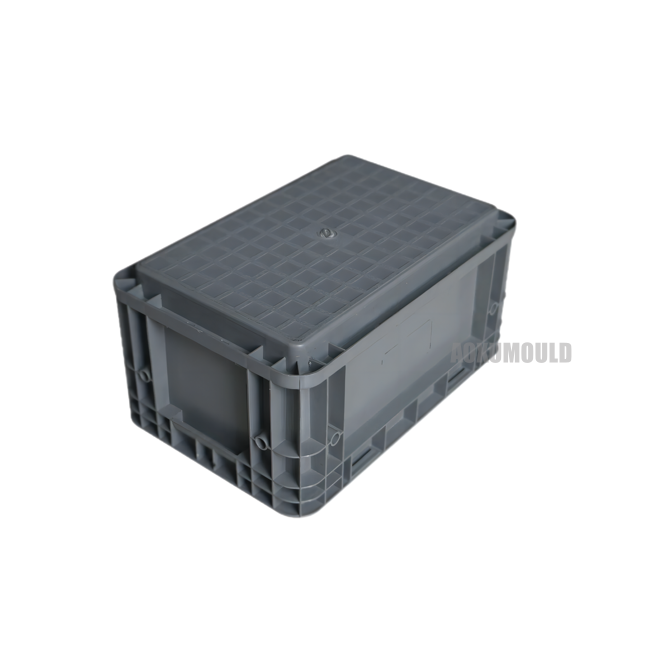
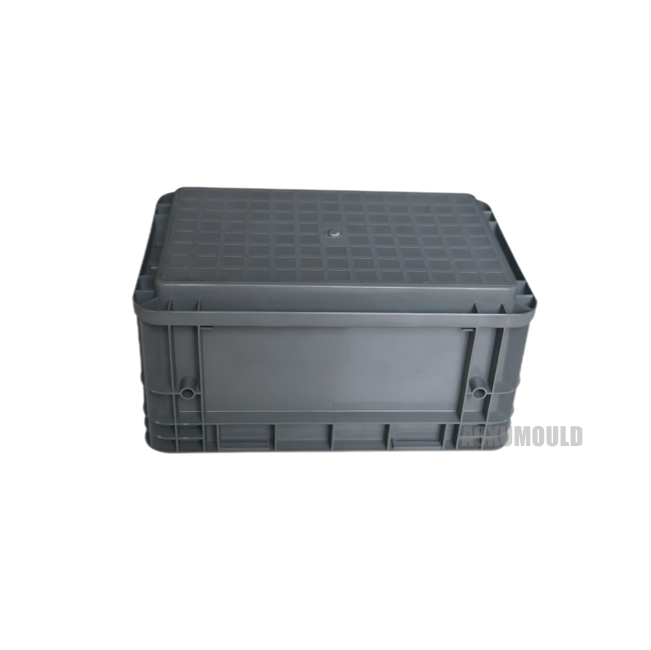
Mould Specifications
|
Mould name |
Plastic Milk Crate Mould |
|
Product material |
HDPE |
|
Product Size |
452X270X164mm |
|
Mould material for cavity &. Core |
P20/718H/H13/2738 |
|
NOs of cavity |
1 cavity |
|
Injection system |
Hot runner open gates |
|
Suitable injection machine |
550T |
|
Mould size |
750x540x320mm |
|
Mould lifetime |
more than 500,000pcs |
|
Delivery Time |
50 days |
How To Choose Mould Steel For Plastic Milk Crate Mould?

When choosing the mould steel for plastic milk crate mould, the first thing to consider is the quality and durability of the material. Because the plastic milk basket moulds will be subjected to varying degrees of pressure, friction and wear during the production process, the selected mould steel must have sufficient hardness and strength.
Generally speaking, when choosing mold steel, the following aspects should be considered:
1. Strength and hardness: Mould steel must have sufficient strength and hardness to ensure that the mould does not deform or crack during the production process. Commonly used die steels include P20, 718, NAK80, etc.
2. Wear resistance: As plastic milk basket moulds are subject to wear and friction during the production process, the selected mould steel must have excellent wear resistance to maintain the shape and size of the mould stable over a long period of time.
3. Corrosion resistance: During the production process of plastic milk crate, the moulds may come into contact with chemical substances or corrosive materials. Therefore, the mould steel must have excellent corrosion resistance to maintain its quality and performance for a long time.
4. Machinability: When choosing mould steel, its machinability, such as easy machinability and hot cutting ability, should also be taken into account to facilitate the manufacturing and maintenance of the mould.
Design For Product &. Mould

Why Is HDPE Chosen For Plastic Beer Crate?
HDPE is the abbreviation of High Density Polyethylene and it is a very common plastic material. There are many advantages to choosing HDPE material when making beer crate.
First of all, HDPE is a relatively strong and durable plastic. This means that the beer crate, made of HDPE, can withstand long-term use and repeated handling. This is of great significance to beer manufacturers and distributors, as they need to ensure the safety and integrity of the products during transportation.
Secondly, HDPE is a relatively lightweight plastic material. Compared with metal or other heavy materials, the crate made of HDPE are lighter during handling, reducing the labor intensity of workers and helping to improve efficiency and save costs.
In addition, HDPE is an economical material. Compared with some other high-grade plastics, the production cost of HDPE is relatively low, which makes the beer crate made of HDPE moderately priced, making it an economical choice for manufacturers.
In addition, HDPE is a recyclable plastic material. Today, with the continuous improvement of environmental awareness, sustainable development has become the focus of people's attention. Choosing to use recyclable HDPE material to make beer crate can reduce the impact on the environment and meet environmental protection requirements.
What Are The Advantages of Polishing Plastic Milk Basket Mould?

Plastic milk crate mould polishing is a process of polishing the surface of plastic products. Through polishing treatment, the surface of the mould can be made smooth and bright, improving the overall appearance and texture of the product. Plastic milk crate mould polishing has many advantages. Now let's take a look together:
1. polishing the plastic milk crate mould can enhance the surface smoothness and gloss of the product. Through polishing treatment, the minor defects on the surface of the mould can be repaired and ground off, making the surface smoother and flatter, free of burrs and flaws, and enhancing the overall aesthetic appeal and quality of the product.
2. polishing the plastic milk crate moulds can enhance their wear resistance and service life. After polishing treatment, the surface of the mould becomes smoother, with reduced friction. This reduces the wear caused by rubbing and bumping, prolongs the service life of the mould, and lowers maintenance costs.
3. polishing the plastic milk crate mould can enhance the surface transparency of the products. Because plastic milk crate are usually made of transparent plastic, after polishing treatment, the surface transparency and light transmittance of the product can be improved, making the milk inside the milk basket look clearer and brighter.
4. polishing the plastic milk crate mould can enhance the market competitiveness of the products. Nowadays, consumers have higher demands for product quality. A product with a smooth surface and good texture often attracts consumers' attention more easily, thereby enhancing the market competitiveness of the product and driving the growth of sales.
Can You Provide Some Improve Suggestions For Plastic Milk Crate Mould?
Firstly, consider enhancing the durability and stability of the mould. Plastic milk carton moulds usually need to go through long-term use and high-frequency production, so the durability and stability of the moulds are of vital importance. High-quality materials can be considered for use and the structural design of the mould can be strengthened to ensure that it can withstand long-term use without failure.
Secondly, consider improving the production efficiency and precision of the moulds. With the continuous development of production technology, the production efficiency and precision of plastic milk crate moulds also need to be constantly improved. Advanced processing techniques and equipment can be considered, and the design of moulds can be optimized to enhance production efficiency and product quality.
Thirdly, consider reducing the maintenance cost and environmental impact of the mould. The maintenance cost of the mould and its environmental impact are also important factors that need to be considered. It is possible to consider designing a mould structure that is easy to clean and maintain, reducing the consumption of energy and materials, thereby lowering the maintenance cost and environmental impact of the mould.
Finally, consider the safety and hygiene issues of the moulds. Plastic milk crate moulds may come into contact with food during the production process, so special attention should be paid to the safety and hygiene of the moulds. Food-grade materials can be considered for use, and the cleaning and disinfection performance of the moulds can be enhanced to ensure that the products meet hygiene standards.
Maintenance Suggestions For Plastic Milk Crate Injection Mould
Plastic milk crate, as common packaging containers, are widely used in daily life. To ensure the service life and quality of plastic milk crate, the maintenance of injection moulds is particularly important. Here are some maintenance suggestions for plastic milk crate injection moulds for everyone. We hope they can help you better maintain and service the moulds.
First of all, regular cleaning of the mould is the key to maintenance. During the injection molding production process, the surface of the mould is prone to be affected by factors such as plastic adhesion and residue residue. If the mould is not cleaned for a long time, it will not only reduce production efficiency but also affect product quality. Therefore, it is recommended that a thorough cleaning of the mould be carried out after each mould replacement, including cleaning the surface and all internal parts of the mould, to ensure that the mould is in a clean state.
Secondly, repair the damaged parts of the mould in a timely manner. During the injection molding production process, the mold is exposed to high temperature and high pressure for a long time, which can easily lead to damage such as wear and cracks on the mould. Once any damage to the mould is found, it must be repaired or the damaged parts replaced in a timely manner to prevent the damage from expanding further and affecting the production progress.
Furthermore, pay attention to the maintenance of the mould. Regular inspections of the moulds should be carried out on a regular basis, and any problems found should be solved promptly. When the mold is not in use, it is necessary to pay attention to doing a good job in anti-rust treatment to avoid rusting and corrosion on the surface of the mould. Meanwhile, the moulds should be properly stored to avoid collision and damage.
In addition, use moulds reasonably. When using moulds, it is necessary to pay attention to following the operating procedures to avoid excessive wear of the moulds. Control the operating parameters of the injection molding machine to ensure that the mold is used within the normal working range. In addition, during the production process, it is necessary to ensure the recycling of moulds, reasonably arrange the frequency and cycle of mould usage, and extend the service life of moulds.
Finally, regular maintenance and care of the moulds should be carried out. During the normal use of the mould, it is essential to formulate a regular maintenance plan for the mould based on the production situation and the usage of the mould, including cleaning, lubrication, inspection and other tasks. To ensure the normal operation and use of the mould.
Test of Plastic Milk Crate Mould
Mould Components
Mould Steel

Hot Runner System

Standard Parts

Package &. Delivery

FAQ
>1. What is plastic milk crate mould?
It is a tool used to produce plastic parts by injecting plastic into the mould cavity.
>2. What materials are used to make plastic milk crate mould?
The most common materials used to make injection moulds are high-quality steel, such as P20, 718, 2738, etc.
>3. What is the process of making a plastic milk crate mould?
The process of making a mould includes design engineering, machine programming, tooling fabrication, mould testing and validation.
>4. Can moulds be customized to specific product requirements?
Yes, moulds can be customized to specific product requirements depending on the design and specifications of the project.
>5. What are some factors to consider when making our plastic moulds?
Some factors to consider when making plastic moulds include product design, plastic material selection, mould material selection, injection moulding machine capacity, cooling time, and mould maintenance requirements.
>6. How long does it take to make one set of mould?
The time it takes to make mould can vary depending on the complexity and size of the mould.
However, it usually takes between 6 and 8 weeks.
>7. What can be done to ensure the mould quality?
To ensure mould quality, proper design and engineering, high-quality materials, and strict quality control procedures should be employed during the entire process of making the mould.
>8. How long can a mould last?
The lifespan of a mould can vary depending on the quality of the mould, maintenance practices, and operating conditions. A well-maintained mould can last for hundreds of thousands of cycles.
>9. What are the benefits of making plastic injection moulds?
Some benefits of making plastic moulds include faster production times, lower costs per unit, high accuracy, and the ability to produce complex shapes and designs.
>10. Can our plastic milk crate mould be repaired and maintained?
Yes, it can be repaired and maintained to extend their lifespan. Regular maintenance can prevent breakdowns and ensure consistent quality.
Customers' Feedback


