

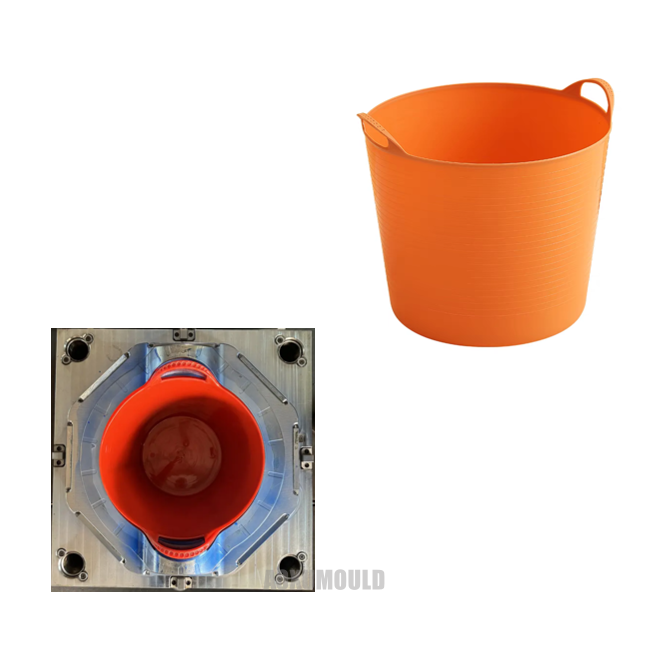
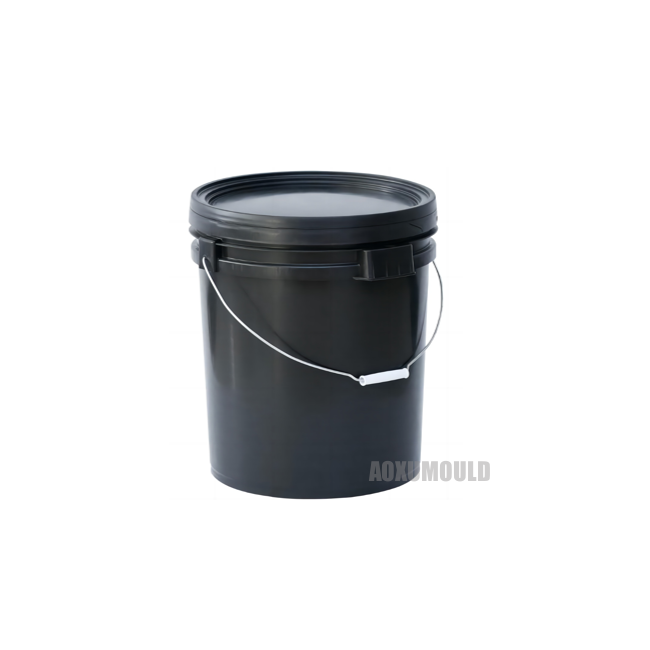
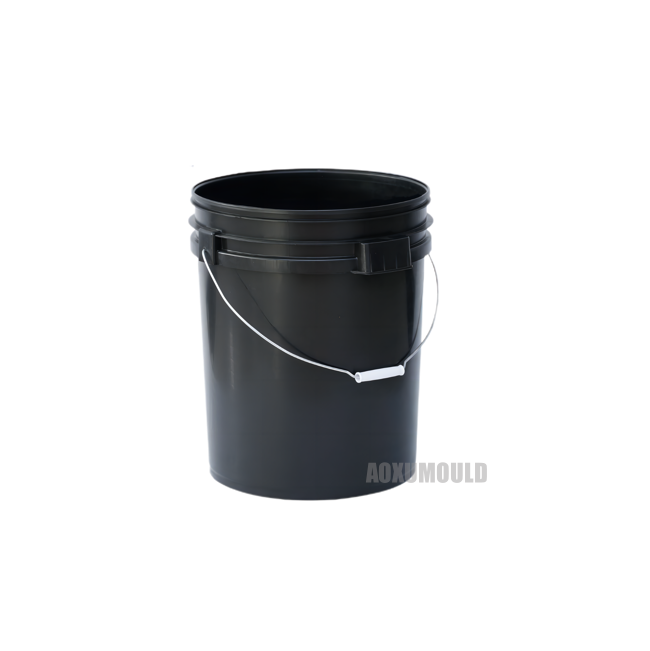
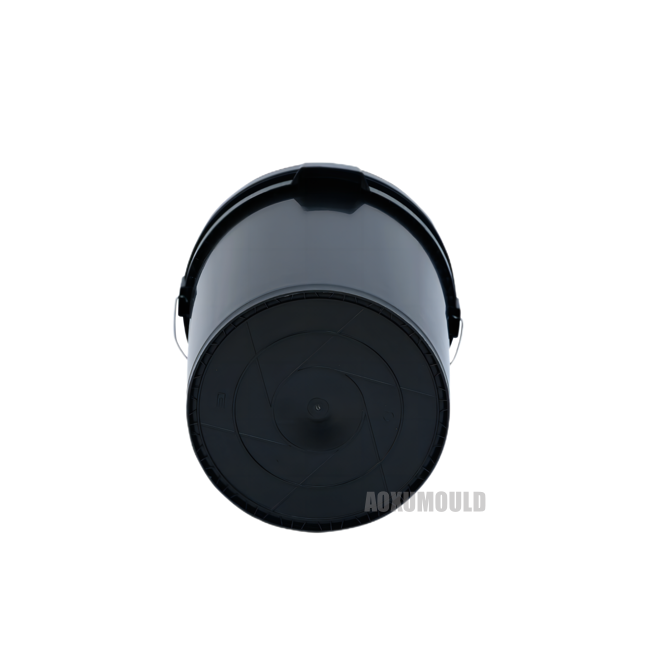
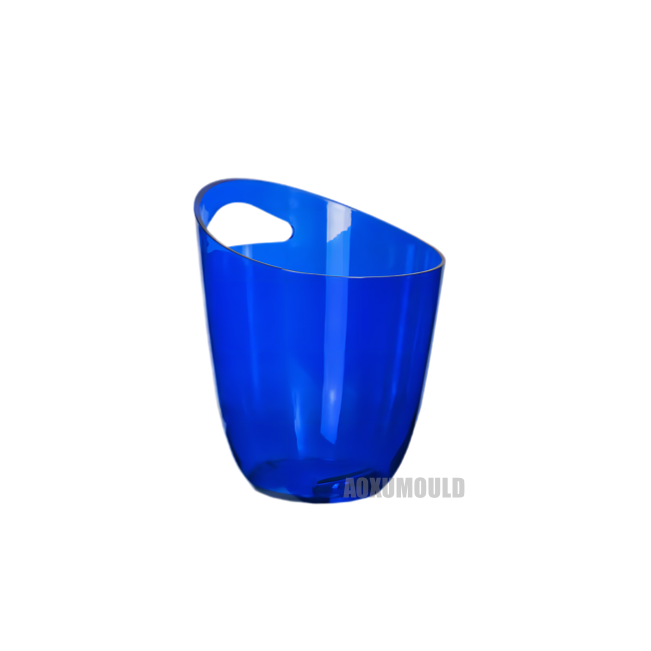
Mould Specifications
|
Mould name |
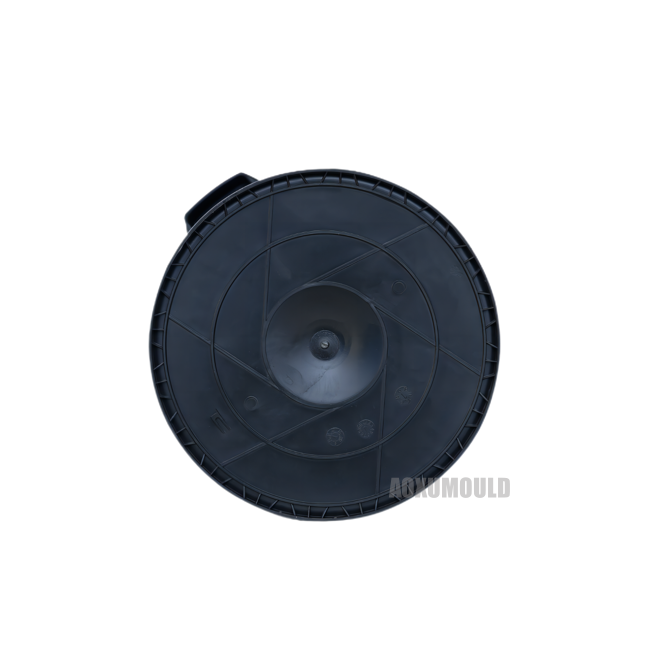
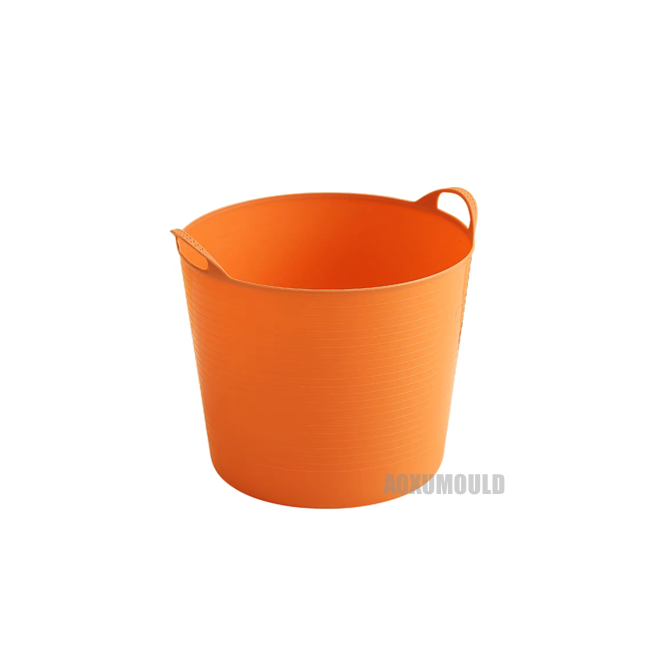
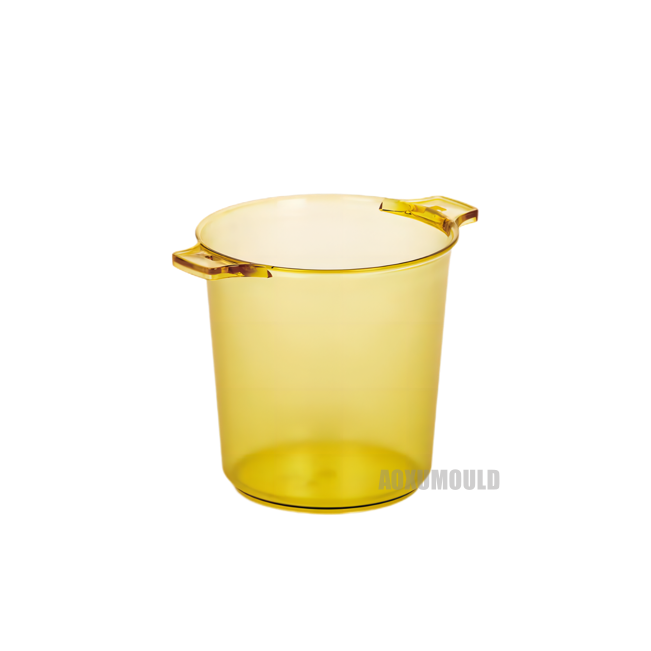
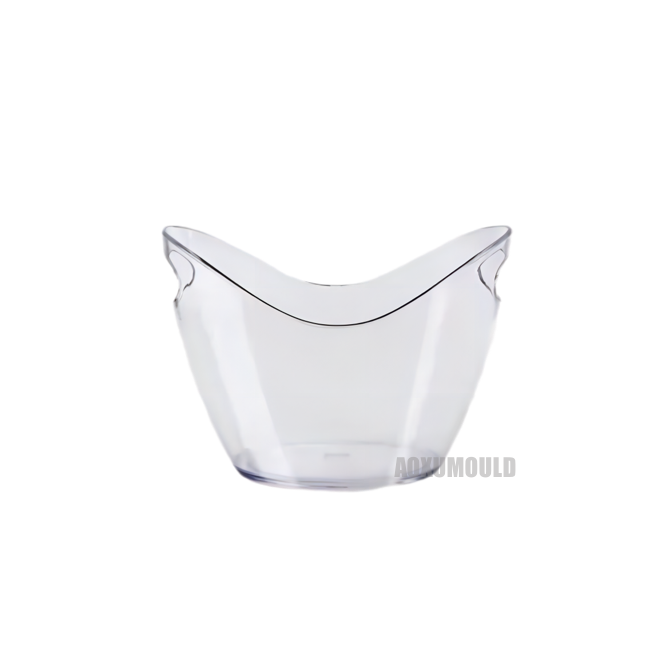
Plastic Ice Bucket Mould |
|
Product material |
PMMA, PC, PP |
|
Product Size |
130X180X210mm |
|
Product weight |
450g |
|
Mould material for cavity &. Core |
ASSAB 718 SKD61 H13 |
|
Mould base |
P20 |
|
Injection system |
YUDO needle valve 8-point hot runner |
|
Suitable injection machine |
450T |
|
Mould size |
255x385x430mm |
|
Mould lifetime |
more than 300,000pcs |
What Are The Common Materials For Plastic Ice Bucket?
Firstly, one of the common materials for plastic ice buckets is polyethylene (PE). Polyethylene is a thermoplastic with excellent wear resistance and corrosion resistance, as well as certain toughness and strength. The plastic ice bucket made of PE has a smooth surface, is easy to clean, has good durability, and is suitable for daily use.
Secondly, polypropylene (PP) is also one of the common plastic ice bucket materials. Polypropylene is a high molecular weight polymer with excellent high temperature resistance and chemical resistance. Plastic ice buckets made of PP are not easily deformed, resistant to high temperatures, and suitable for long-term storage of ice cubes and refrigerated food.
In addition, polyvinyl chloride (PVC) is also a common plastic ice bucket material. PVC is a thermoplastic with weather resistance and corrosion resistance, as well as good mechanical strength and processability. Plastic ice buckets made of PVC have a smooth surface, strong durability, and relatively affordable prices.
In addition, polystyrene (PS) and polycarbonate (PC) are also used to some extent in plastic ice buckets. PS is a transparent material with good cold resistance and toughness, suitable for making transparent ice buckets; PC has excellent impact resistance and high temperature heat resistance, which can be used to make more durable plastic ice buckets.
Design For Product &. Mould

Why Do Different Companies Have Different Prices And Qualities For The Same Plastic Product Moulds?

The first thing that comes to mind is the difference in materials. Different companies may use different qualities of steel or other materials, which directly affects the cost and lifespan of molds. For example, some companies may use imported high hardness steel while others may use domestically produced ordinary steel, resulting in different prices and quality.
Next is the manufacturing process. Some companies may have more advanced equipment, such as high-precision CNC machine tools or electrical discharge machining equipment, which can produce molds with higher precision, but the equipment cost is also high, resulting in higher quotes. Companies with weaker technology may use traditional methods, which have lower costs but may lack accuracy and durability.
Next are design and engineering capabilities. The rationality of mold design has a significant impact on product quality. Experienced engineers may optimize designs to reduce production issues, while poor design may lead to product defects and increase the cost of later modifications. A well-designed company may charge higher fees, but the quality is more stable.
The quality control system is crucial. Some companies have strict testing procedures, such as three-dimensional measurement, trial molding, etc., to ensure that each link is qualified, which increases costs but guarantees quality. Companies with lax quality control may skip these steps, resulting in lower prices but higher risks.
Delivery time and after-sales service will also affect the price. If the customer urgently needs the mold, the company may need to work overtime to catch up, which will increase costs. In terms of after-sales service, companies that provide warranty or technical support may include this cost when quoting, while low-priced companies may not have these services.
Plastic Ice Bucket Mould Solution From Aoxu
A: Product requirement analysis
1.Product Usage: Household/Commercial Ice Bucket
2.Structural features:
Double layered insulation structure (inner wall+outer wall, middle air layer).
Featuring complex features such as handles, drainage outlets, and lid snap fasteners.
Surface texture (anti slip, matte or mirror effect).
3.Material requirements: Food grade PP or HDPE (shrinkage rate 0.8%~1.5%).
4.Production goal: Mold lifespan ≥ 500000 times, daily output ≥ 2000 pieces.
B: Core scheme of mold design
1. Classification surface and structural design
Classification surface: Adopt a stepped classification surface to avoid exposing the inner and outer wall joint lines.
Demoulding mechanism: Large angle sloping roof (handle the inward buckle of the handle).
Sliding core extraction (used for drainage outlets and buckle positions).
Exhaust system: parting surface+embedded exhaust groove (depth ≤ 0.03mm) to prevent trapped gas from burning.
2. Material selection for mold kernels and accessories
Component material (brand) heat treatment/surface treatment
Mold core (cavity) ASSAB 718 (Sweden) pre hardened to HRC 38-42, mirror polished (Ra ≤ 0.1 μ m)
Sliding block, sloping top SKD61 (Hitachi, Japan) vacuum quenched HRC 48-52, TD coating
Ejector pins H13 (domestic high-quality) nitriding treatment (surface hardness ≥ 1000HV)
3. Cooling system optimization
Shape following waterway: 3D printed copper alloy shape following cooling waterway (8-12mm away from the cavity surface), reducing cooling time by 30%.
Partition temperature control: Independent water circulation on the inner and outer walls ensures uniform cooling (temperature difference ≤ 5 ℃).
4. Pouring system design
Hot runner system: YUDO (Taiwan brand) needle valve hot runner is used, with 8-point balanced injection to reduce weld lines.
Flow channel parameters: main flow diameter of 8mm, fan-shaped gate (thickness of 1.2mm), optimized holding time to 8s.
C:Manufacturing process and equipment
Key processing equipment:
Five axis CNC (accuracy ± 0.005mm): Machining complex surfaces.
Slow wire cutting (accuracy ± 0.002mm): Processing precision inserts.
Mirror spark machine (Ra ≤ 0.2 μ m): deals with textured areas.
Process control:
Pre hard processing of mold kernels is followed by vacuum tempering to eliminate stress and deformation.
Sliding block mating surface grinding (gap ≤ 0.015mm).
D: Quality Control Standards
The tolerance of the three-dimensional measuring instrument for cavity dimensions is ± 0.03mm (± 0.01mm for key positions)
Cooling water tightness pressure test (0.5MPa), hold pressure for 10 minutes without leakage
Surface roughness meter Ra ≤ 0.1 μ m (mirror area)
Test mold acceptance T1 stage (first sample) product wall thickness uniformity ± 0.1mm, no shrinkage or flash.
Mould Try-out of Plastic Ice Bucket Mould
Package &. Delivery

Mould Components
Mould Steel

Hot Runner System

Standard Parts

FAQ
Q: What is plastic ice bucket injection mould?
A: It is a tool used to produce plastic ice bucket by injecting plastic into the mould cavity.
Q: What materials are used to make plastic ice bucket mould?
A: The most common materials used to make injection moulds are high-quality steel, such as P20, 718, 2738, etc.
Q: What is the process of making an plastic ice bucket mould?
A: The process of making a mould includes design engineering, machine programming, tooling fabrication, mould testing and validation.
Q: Can moulds be customized to specific product requirements?
A: Yes, moulds can be customized to specific product requirements depending on the design and specifications of the project.
Q: What are some factors to consider when making our plastic moulds?
A: Some factors to consider when making plastic moulds include product design, plastic material selection, mould material selection, injection moulding machine capacity, cooling time, and mould maintenance requirements.
Q: How long does it take to make one set of mould?
A: The time it takes to make mould can vary depending on the complexity and size of the mould.
However, it usually takes between 6 and 8 weeks.
Q: What can be done to ensure the mould quality?
A: To ensure mould quality, proper design and engineering, high-quality materials, and strict quality control procedures should be employed during the entire process of making the mould.
Q: How long can a mould last?
A: The lifespan of a mould can vary depending on the quality of the mould, maintenance practices, and operating conditions. A well-maintained mould can last for hundreds of thousands of cycles.
Q: What are the benefits of making plastic injection moulds?
A: Some benefits of making plastic moulds include faster production times, lower costs per unit, high accuracy, and the ability to produce complex shapes and designs.
Q: Can our plastic ice bucket mould be repaired and maintained?
A: Yes, our plastic ice bucket mould can be repaired and maintained to extend their lifespan. Regular maintenance can prevent breakdowns and ensure consistent quality.
Customers' Feedback


