

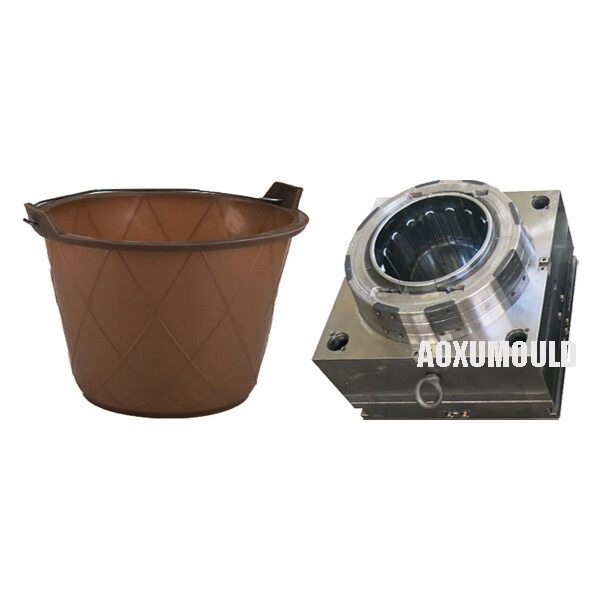
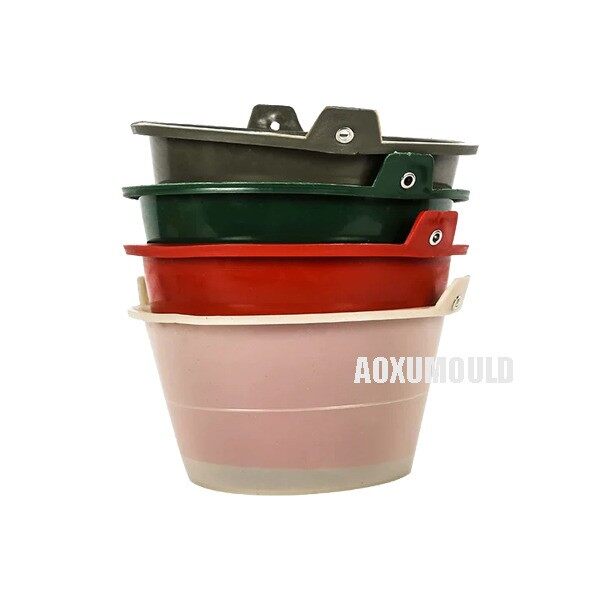
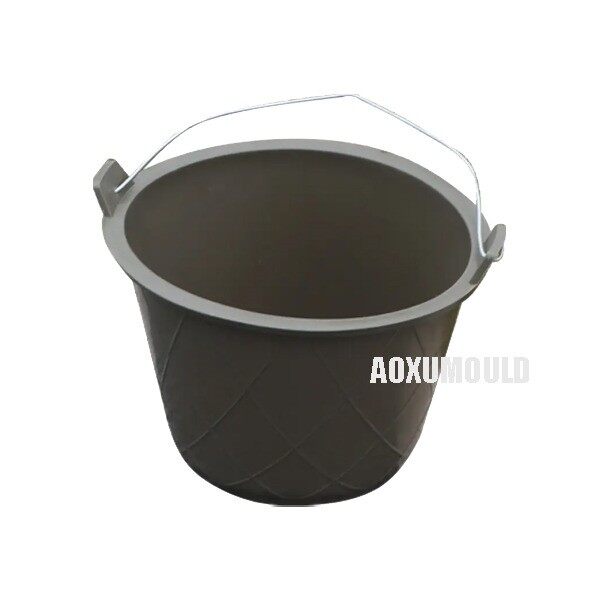
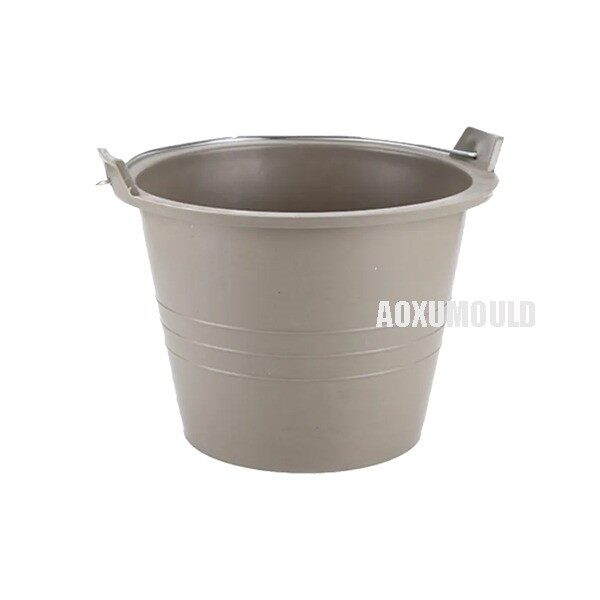
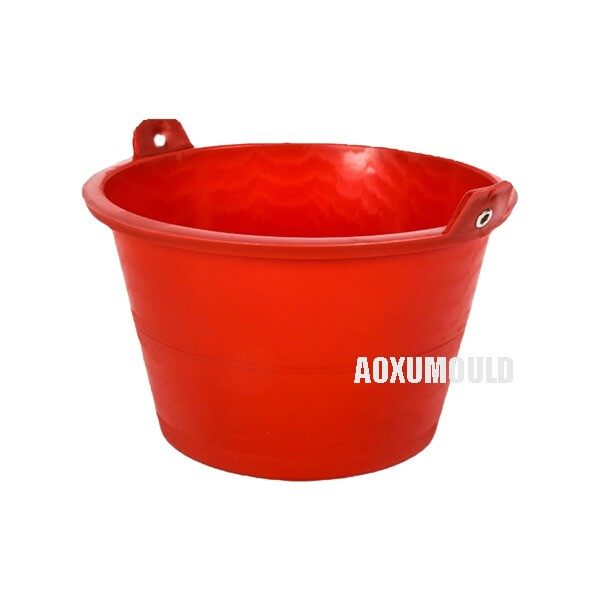
Mould Specifications
|
Mould name |
Construction Bucket Mould |
|
Bucket material |
Plastic |
|
Product Size |
102x102x92mm |
|
Product weight |
0.5kg |
|
Mould material for cavity &. Core |
C45, P20, 718, 2738 |
|
Mould base |
P20 |
|
Injection system |
Hot runner |
|
Suitable injection machine |
380T |
|
Mould size |
400X400X430mm |
|
Mould lifetime |
More than 500,000pcs |
The Characteristic of Molding Construction Buckets
Molding construction buckets are an essential component in the construction industry. They are used to transport and move materials such as sand, gravel, and cement from one location to another. These buckets are designed to be durable, robust, and long-lasting, making them an ideal choice for construction sites.
One of the characteristics of molding construction buckets is their strong and sturdy construction. They are made from high-quality materials that can withstand harsh weather conditions and heavy loads. The buckets have a robust frame that can handle the weight of construction material and provide stability for the user.
Another characteristic of molding construction buckets is their ease of use. They come in various sizes and shapes, making them suitable for different construction projects. These buckets can be easily transported from one location to another, making them ideal for use in different areas of a construction site.
Molding construction buckets are also designed to be safe for the user. They have handles that are comfortable to grip, preventing any strain or discomfort in the hands and arms. They are also designed with safety features such as a locking mechanism that ensures the bucket stays securely attached to the equipment.
Finally, molding construction buckets are designed to be easy to clean and maintain. They can be easily cleaned using water and soap, and their sturdy construction ensures that they do not easily break or wear out.
In conclusion, molding construction buckets are an essential tool for the construction industry. Their strong and sturdy construction, ease of use, safety features, and easy maintenance make them an ideal choice for any construction project. By investing in high-quality molding construction buckets, construction professionals can ensure that they have a reliable and durable tool for their various projects.
What Kind of Steel For Construction bucket Injection Moulds?

When it comes to constructing high-quality injection moulds for buckets, steel is undoubtedly one of the most popular materials used for the job. Steel is durable, resilient, and can resist wear and tear for prolonged periods. However, not all steel is created equal, and depending on the intended application, certain types of steel may be more suitable than others.
For construction bucket injection moulds, high-quality tool steel is typically the best choice. Tool steel is specifically designed to offer consistent performance under heavy-duty use and can maintain its integrity even under extreme temperatures and pressure. Additionally, tool steel is typically machinable and can be easily manipulated into the desired shape, making it a popular choice for mould construction.
There are a few different varieties of tool steel to consider when designing a construction bucket injection mould. Some of the most common include H13 tool steel and P20 tool steel. Each of these types of tool steel has its unique properties and benefits, so it's essential to consider the specific application when choosing the best one.
H13 tool steel is an excellent choice for large-scale moulds that require high temperatures and resistance to thermal shock. Its toughness and ability to withstand wear and tear also make it a popular choice for construction bucket injection moulds.
P20 tool steel is often used for smaller injection moulds and can offer excellent wear resistance and toughness. It's also easier to machine and can hold its shape well, making it a reliable choice for mould construction.
When it comes to constructing high-quality injection moulds for construction buckets, choosing the right steel is essential. By considering the intended application and choosing a high-quality tool steel that can withstand heavy-duty use, you can ensure that your moulds will last for years to come, offering reliable and consistent performance every time.
The Step Of Making A Construction Bucket Mould
Making a construction bucket mould requires dedication, precision, and a love for the craft. This process involves several steps that may take some time to complete, but with patience and commitment, it can yield a high-quality construction bucket mould.
The first step involves getting the design of the construction bucket finalised. This involves creating a blueprint that outlines all the details of the bucket, including its shape, size, and capacity. The design process may take some time, but it is crucial as it sets the foundation for the entire project.
Once the design is finalised, the next step is to create a mould base. This is the foundation of the mould and is essential for ensuring that all the other components fit correctly. The mould base is typically made of steel or aluminium, and precision is of utmost importance during its creation.
After creating the mould base, the next step is to build the bucket's core. This component is responsible for creating the hollow space of the bucket and must be precise to ensure that the final product meets the design specifications.
Finally, the last step is the creation of the mould cavity. This component is responsible for creating the outer part of the bucket, including the handle and any other design features. A great deal of care is necessary during this stage as a mistake can negatively affect the final product's quality.
Design For Product &. Mould

Package &. Delivery

Mould Components
Mould Steel

Hot Runner System

Standard Parts

How To Do Good Work For Construction Bucket Mould Maintenance?

Construction bucket mould maintenance is a crucial aspect of ensuring that construction buckets are in good working condition. Regular maintenance of the moulds ensures that they remain in good condition, extend their life span and prevent various damages and safety hazards. Here are some tips on how to do good work for construction bucket injection mould maintenance.
1. Regular inspection
Regular inspection of the moulds helps to identify any anomaly or damage in their operation. Inspect the moulds often to check for any visible damage, tear, cracks, or poor surface finish. Also, check for any abnormal sound or vibration during operation.
2. Clean the moulds
Cleaning the moulds is another essential maintenance practice. Cleaning of the moulds helps remove any dust, dirt, or debris that may be affecting the mould's operation. Also, regular cleaning helps prevent corrosion or rust on the mould's surface.
3. Lubrication
Lubrication is essential for maintaining the moulds in good working condition. Regular lubrication using the recommended lubricants helps prevent their wear and tear, as well as protect against rusting and corrosion.
4. Use Quality Materials
The quality of materials used in mould making is also essential in determining the mould's quality. Using low-quality materials results in low-quality moulds that require more frequent maintenance. On the other hand, high-quality materials such as stainless steel make high-quality moulds that require minimal maintenance.
5. Proper Storage
Proper storage is also crucial in maintaining the moulds' quality. Store the moulds in a clean and dry environment, free from dust or humidity. Ensure that they are well wrapped or covered to prevent any damage or corrosion.
In conclusion, good work for construction bucket injection mould maintenance is essential in ensuring the efficient operation of the moulds. With regular inspection, cleaning, lubrication, use of quality materials, and proper storage, construction buckets' moulds can remain in good working conditions for a longer time.
FAQ
Customers' Feedback


