

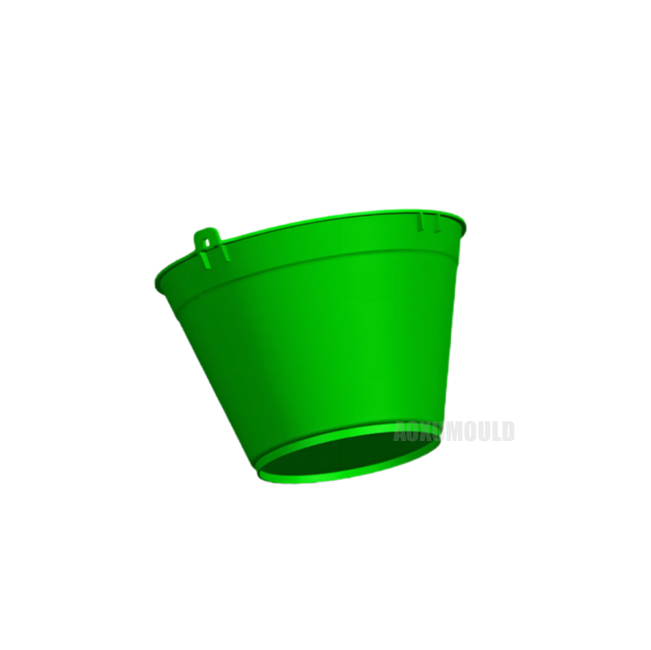
Mould Specifications
|
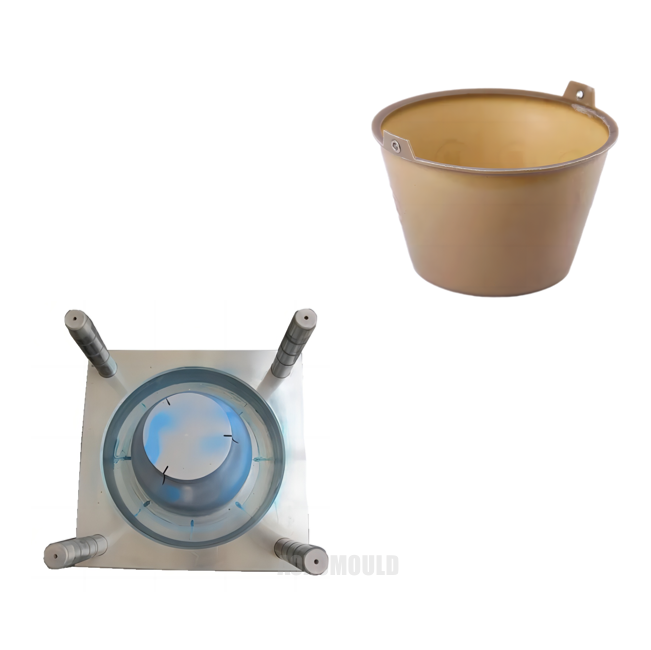
Mould name |
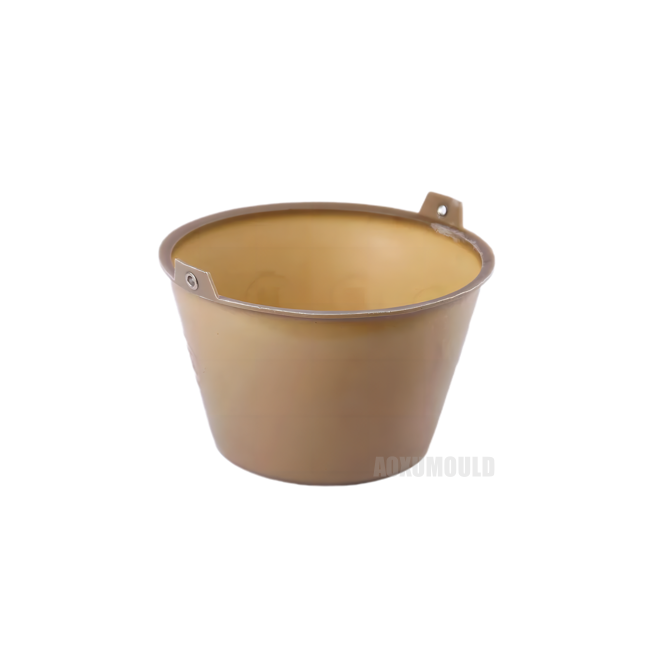
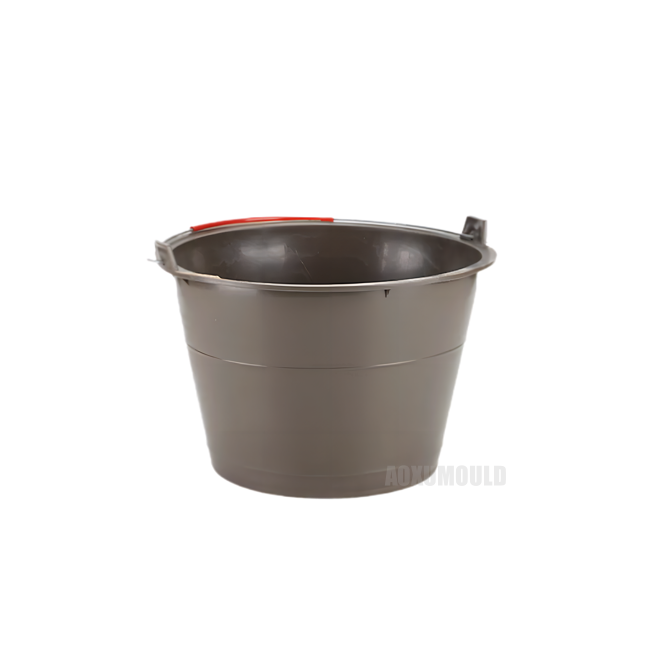
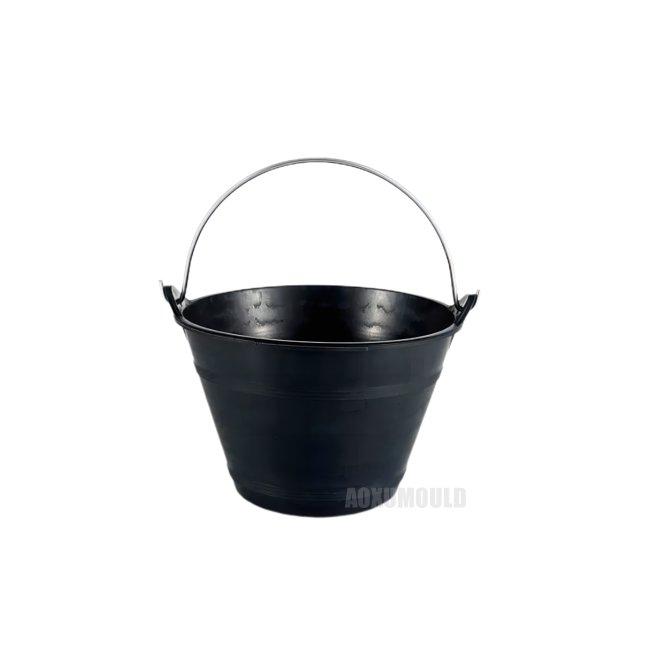
Plastic Cement Bucket Mould |
|
Product material |
HDPE, plastic |
|
Product Size |
240X285X210mm |
|
Product weight |
251g |
|
Mould material for cavity &. Core |
C45, P20, 718, 2738 |
|
Mould base |
C45 |
|
Injection system |
Hot runner open gates or valve gates |
|
Suitable injection machine |
450T |
|
Mould size |
460x550x420mm |
|
Mould lifetime |
more than 300,000pcs |
What Plastic Material Should Be Used For Plastic Cement Bucket?
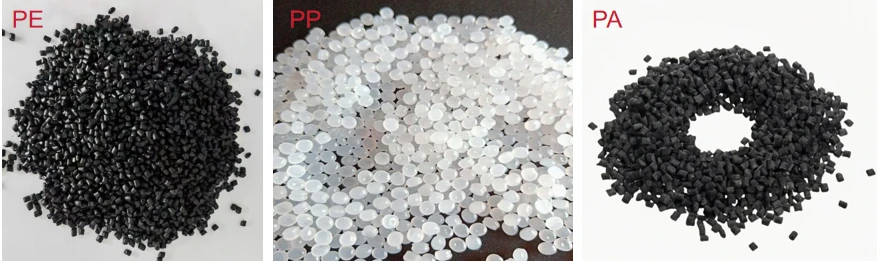
The plastic materials commonly used for building cement barrels include polyethylene (PE), polypropylene (PP), and polyacrylamide (PA). These plastic materials each have their own characteristics, so when choosing, it is necessary to make corresponding evaluations based on specific usage environments and needs.
Firstly, PE is a commonly used plastic material that has good corrosion resistance and wear resistance, and can withstand high pressure and temperature. The surface of the PE cement bucket is shiny, easy to clean, and suitable for storage and transportation of various media. However, PE materials are relatively fragile, not resistant to cold, and prone to aging, requiring regular replacement.
Secondly, PP is a plastic material that is resistant to high temperatures and corrosion, suitable for environments that require resistance to chemical corrosion. PP cement barrels are lightweight, wear-resistant, have good sealing and pressure resistance, and are commonly used materials in construction. However, PP materials will age due to exposure to sunlight and have a shorter service life.
Finally, PA is a plastic material with good heat and low temperature resistance, good toughness and wear resistance, suitable for long-term exposure to harsh environments. PA cement drums have good mechanical properties and are suitable for withstanding large pressures and impacts. However, due to its high cost, PA materials are relatively rare in practical applications.
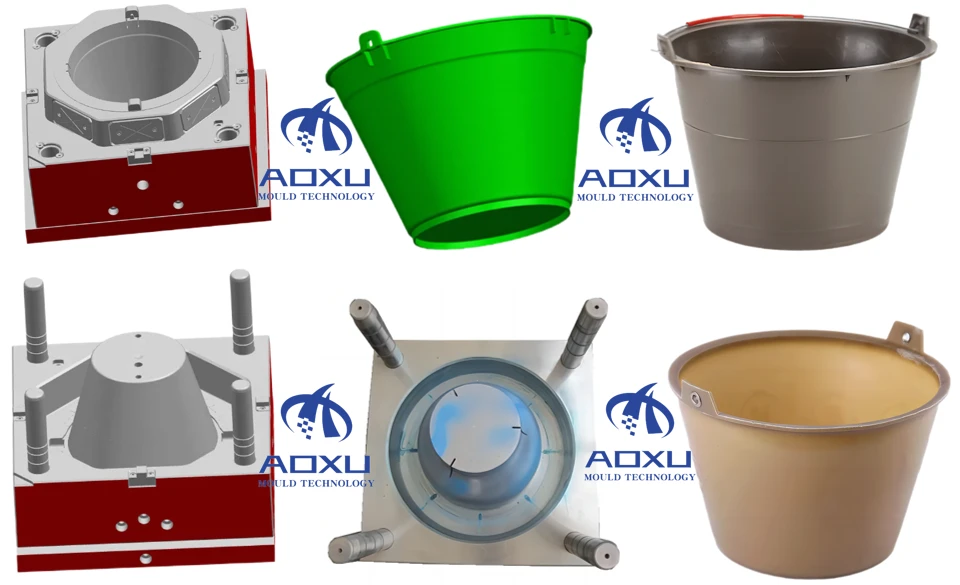
Design For Product &. Mould
What Is The Difference Between Plastic Cement Buckets And Plastic Paint Buckets?
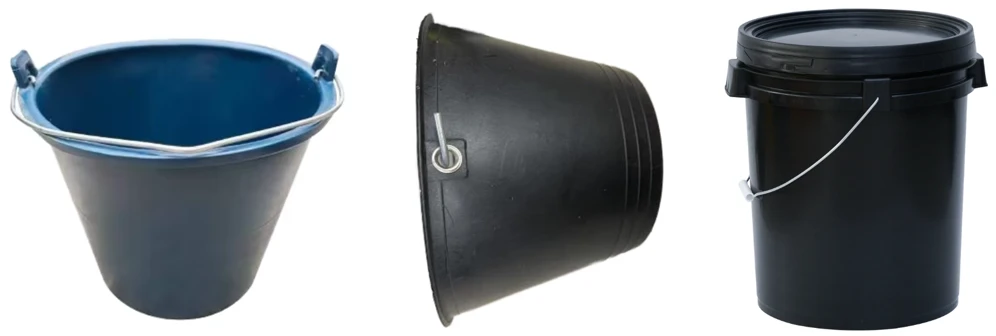
Although plastic cement buckets and plastic paint buckets are made of the same material, there are significant differences in their use and design.
Firstly, plastic cement buckets are mainly used to load cement and other building materials, usually with a large capacity that can hold tens of kilograms of cement, and are designed to be more sturdy and robust to ensure that they will not deform or break when carrying heavy objects.
Plastic paint buckets are mainly used to load various pigments, paints, and coatings, with a relatively small capacity of several liters or tens of liters, making them easy to carry and use. In addition, the design of plastic paint buckets pays more attention to sealing and is often equipped with sealing covers and stirrers to ensure that the paint is not easily dried or solidified.
In addition, as cement is a viscous powder material, the main requirements for containers are wear resistance, pressure resistance, and waterproofing. Therefore, plastic cement barrels usually have thick walls and sturdy designs. Paint, on the other hand, is a liquid material that requires containers to be sealed and leak proof. Therefore, plastic paint buckets are often designed with sealed lids and valves to prevent paint leakage or evaporation.
How To Reduce The Cost of Plastic Cement Bucket Mould?
To reduce the cost of plastic cement bucket molds, we can adopt the following methods:
Firstly, optimize the design plan. By redesigning and optimizing the mold structure, the amount of materials used can be reduced and production costs can be lowered. At the same time, it can also increase the service life of the mold and improve production efficiency.
Secondly, choose the appropriate materials. Using high-quality, wear-resistant, and corrosion-resistant materials to make molds can improve their service life, reduce replacement frequency, and ultimately lower costs.
Furthermore, advanced processing techniques are employed. Introduce advanced CNC machining equipment to improve the machining accuracy and efficiency of molds, reduce waste in production, and lower production costs.
In addition, plan the production process reasonably. By optimizing the production process, improving production efficiency, and reducing production costs. For example, reasonable allocation of production equipment, reasonable arrangement of production employees, and improvement of production efficiency.
Finally, strengthen quality management. Establish a strict quality management system, strengthen monitoring and control of mold quality, reduce defect rates, and lower costs.
Does The Plastic Cement Bucket Mould Rquire A Slider Structure?
Plastic cement bucket molds, as a commonly used construction mold, are mainly used for producing cement and concrete materials. They have the advantages of easy production, convenient use, and low cost. In the design and production process of molds, whether a slider structure is needed is a very important issue.
Firstly, the slider structure is a device that can slide back and forth, used during the mold forming process to facilitate the demolding of the mold. For some special molds with complex shapes and structures, the slider structure is indispensable. However, for plastic cement bucket molds, usually only a simple structure is needed to complete the molding, so it is not necessarily necessary to use a slider structure.
Secondly, adopting a slider structure will increase the complexity and cost of the mold, leading to a longer production cycle and increased difficulty in production. Moreover, during use, the slider structure requires frequent maintenance and upkeep, which increases the cost and difficulty of use. Therefore, when making plastic cement bucket molds, unnecessary addition of slider structures can make the mold simpler, more durable, lower in cost, and easier to operate.
Finally, the application of slider structure also needs to be determined according to the actual situation. If production requires high requirements for mold shape and demolding, it is necessary to use slider structure. But if it's just a simple production of plastic cement barrels without special requirements, then choosing not to use a slider structure is completely feasible.
Package &. Delivery

Mould Components
Mould Steel

Hot Runner System

Standard Parts

FAQ
Q: What is plastic cement bucket mould?
A: It is a tool used to produce plastic cement bucket by injecting plastic into the mould cavity.
Q: What materials are used to make plastic construction bucket mould?
A: The most common materials used to make injection moulds are high-quality steel, such as P20, 718, 2738, etc.
Q: What is the process of making plastic construction bucket mould?
A: The process of making a mould includes design engineering, machine programming, tooling fabrication, mould testing and validation.
Q: Can moulds be customized to specific product requirements?
A: Yes, moulds can be customized to specific product requirements depending on the design and specifications of the project.
Q: What are some factors to consider when making our plastic moulds?
A: Some factors to consider when making plastic moulds include product design, plastic material selection, mould material selection, injection moulding machine capacity, cooling time, and mould maintenance requirements.
Q: How long does it take to make one set of plastic cement mould?
A: The time it takes to make mould can vary depending on the complexity and size of the mould.
However, it usually takes between 6 and 8 weeks.
Q: What can be done to ensure the mould quality?
A: To ensure mould quality, proper design and engineering, high-quality materials, and strict quality control procedures should be employed during the entire process of making the mould.
Q: How long can plastic construction bucket mould last?
A: The lifespan of a mould can vary depending on the quality of the mould, maintenance practices, and operating conditions. A well-maintained mould can last for hundreds of thousands of cycles.
Q: What are the benefits of making plastic injection moulds?
A: Some benefits of making plastic moulds include faster production times, lower costs per unit, high accuracy, and the ability to produce complex shapes and designs.
Q: Can our plastic construction bucket mould be repaired and maintained?
A: Yes, our plastic construction bucket mould can be repaired and maintained to extend their lifespan. Regular maintenance can prevent breakdowns and ensure consistent quality.
Customers' Feedback


