

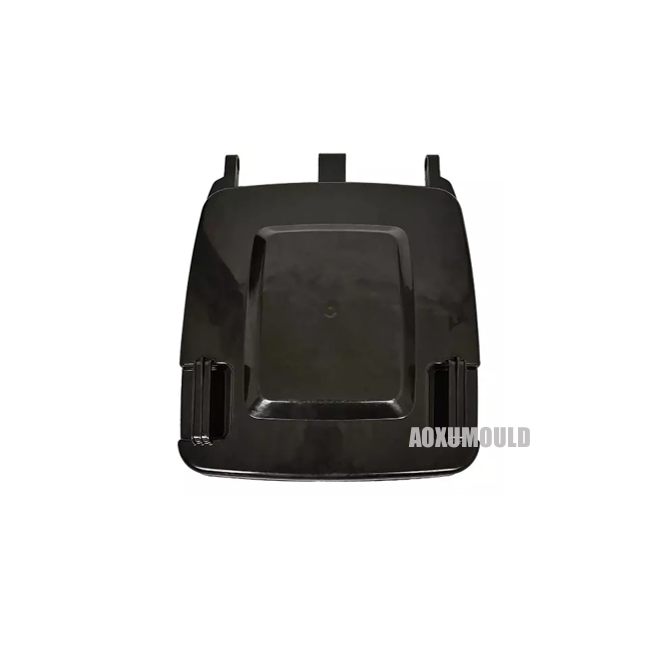
Introduction
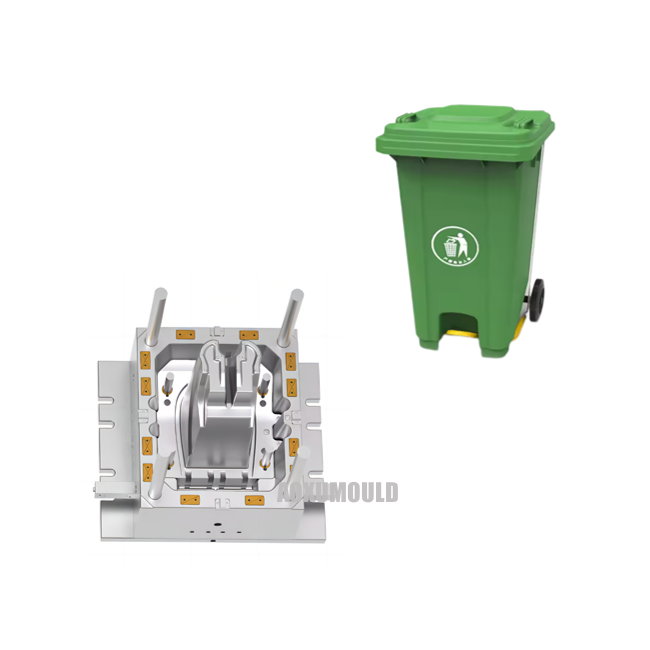
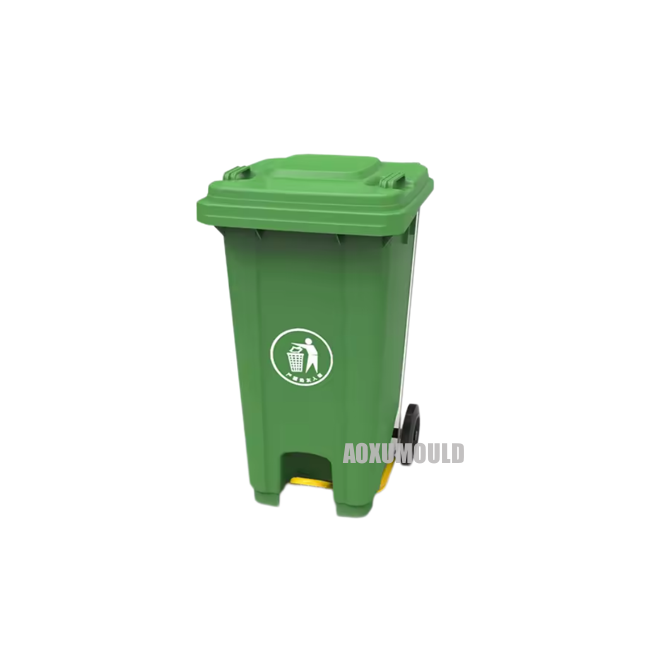
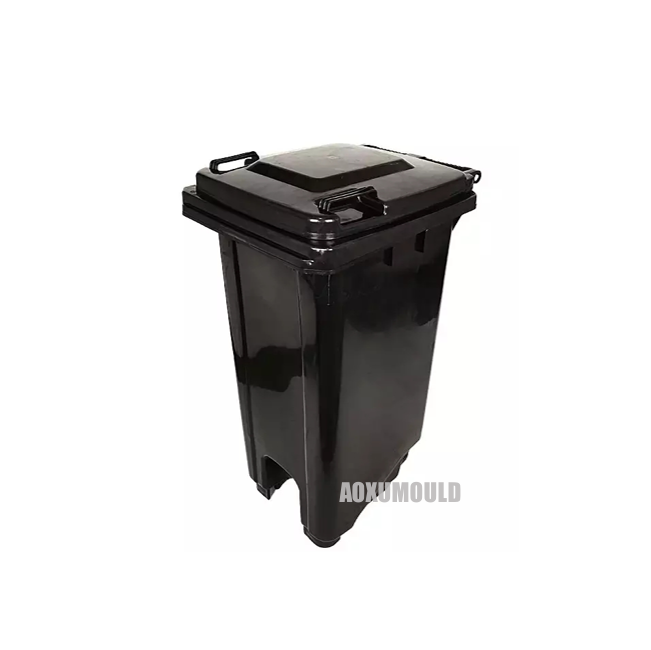
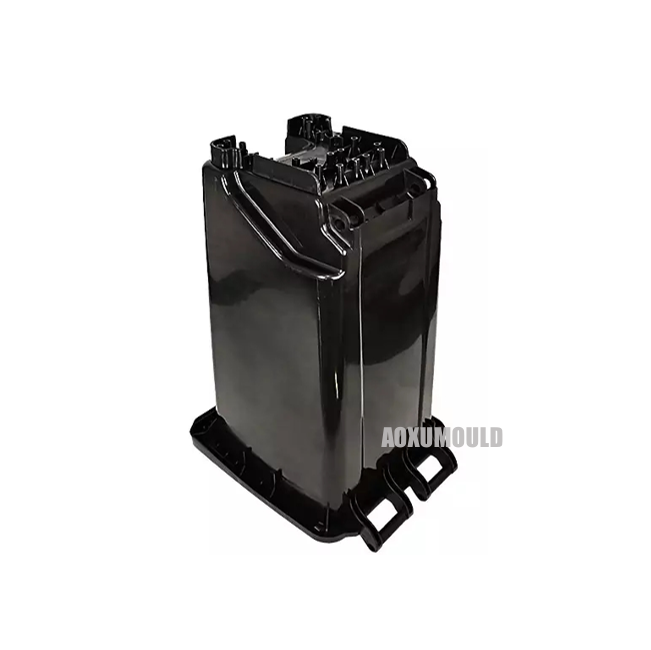
Garbage Dumpster Mould is a kind of mold equipment specially used for producing trash cans. Through injection molding, blow molding or other molding processes, trash can mold can produce trash cans of different materials and specifications to meet the use requirements of different scenarios, such as homes, public places, commercial facilities, etc.
Manufacturing process
1. Mold material processing
Use C45, P20, 718, 2738 and other materials as cavity and core. Use CNC milling machine or lathe for preliminary shape cutting. Quench and temper the mold steel to improve hardness and wear resistance. Use CNC machining center and electric spark machining (EDM) for high-precision machining to ensure mold surface quality and dimensional accuracy.
2. Mold frame processing
Cut and process the mold frame to the required shape and specifications according to the mold size (680x850x1030 mm). Process threaded holes and locating pin holes to ensure the firm assembly and functionality of the mold frame.
3. Injection system manufacturing
Design and install open gates or valve gates to ensure uniform distribution of HDPE plastic and reduce material waste and cold material marks. Use hot runner technology to improve molding efficiency, including precision machining and assembly of nozzles, heating elements and temperature control systems.
4. Mold structure design and processing
Accurately model the trash can size (470x560x900mm) and product weight (5.9 kg). Use professional software (such as UG, SolidWorks) for mold design. Ensure smooth demoulding of the product and improve surface quality through grinding and polishing.
5. Surface treatment
Perform high-precision polishing or etching on the mold cavity and core surface, apply anti-rust oil or chrome plating on the mold surface to extend the mold life.
How to maintain
1. Daily cleaning and maintenance
Timely clean the residual plastic in the cavity, core and gate area. Regularly clean the scale and impurities in the cooling system, check and clean the exhaust holes to prevent blockage and cause burn marks on the product surface during injection molding.
2. Mold surface maintenance
Regularly polish the surface of the cavity and core to remove scratches, burrs or oxide layers during use to maintain the smoothness of the mold surface.
3. Parts inspection and replacement
Timely replace severely worn parts (such as gate sleeves, limit columns, ejectors, etc.) to avoid affecting production quality or mold damage.
4. Shutdown maintenance
When the machine is shut down for a long time, the mold should be thoroughly cleaned and coated with anti-rust oil, and placed on a professional mold rack to avoid extrusion and bumps.
Mould Specifications
|
Mould name |
120L pedal garbage dumpster mould |
|
Product material |
HDPE, plastic |
|
Product Size |
470X560X900mm(Include wheels) |
|
Product weight |
5.9kg |
|
Mould material for cavity &. Core |
C45, P20, 718, 2738 |
|
Mould base |
C45 |
|
Injection system |
Hot runner open gates or valve gates |
|
Suitable injection machine |
1500T |
|
Mould size |
680x850x1030mm |
|
Mould lifetime |
More than 300,000pcs |

Design For Product &. Mould

Mould Try-out of 1100Litres Plastic Waste Container Mould
Package &. Delivery

Mould Components
Mould Steel

Hot Runner System

Standard Parts

Customers' Feedback


