

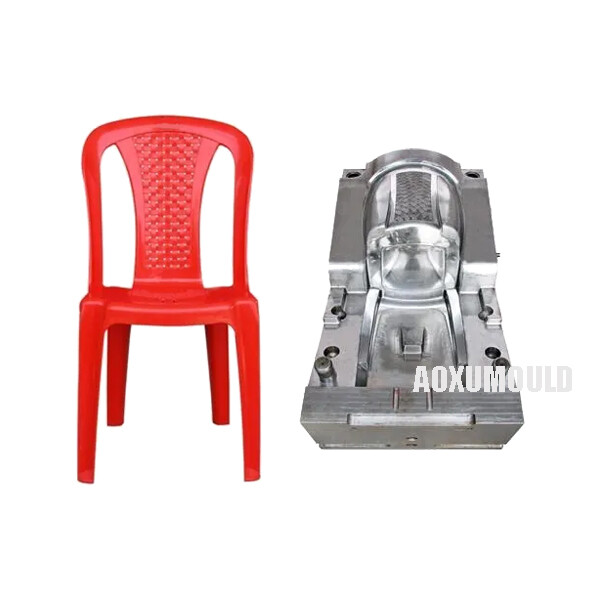
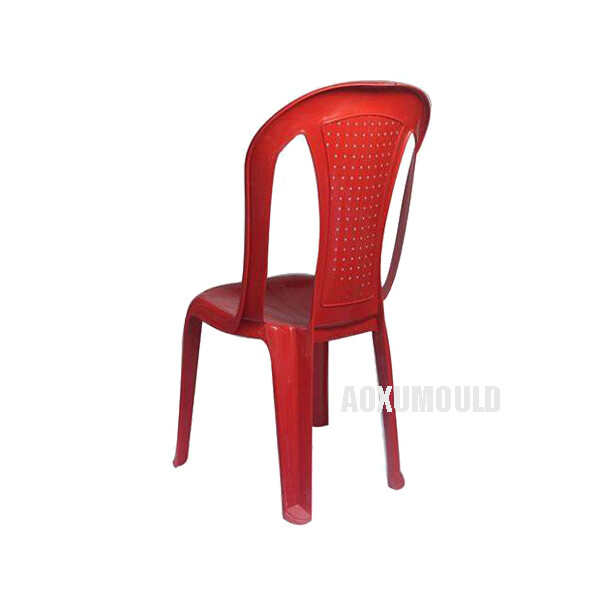
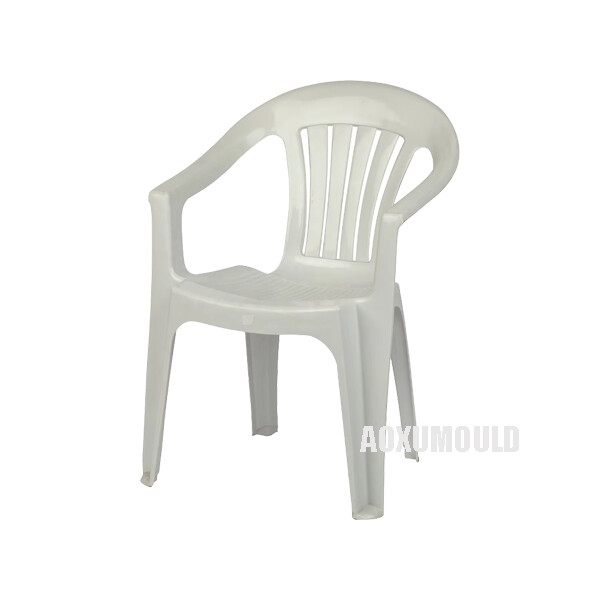
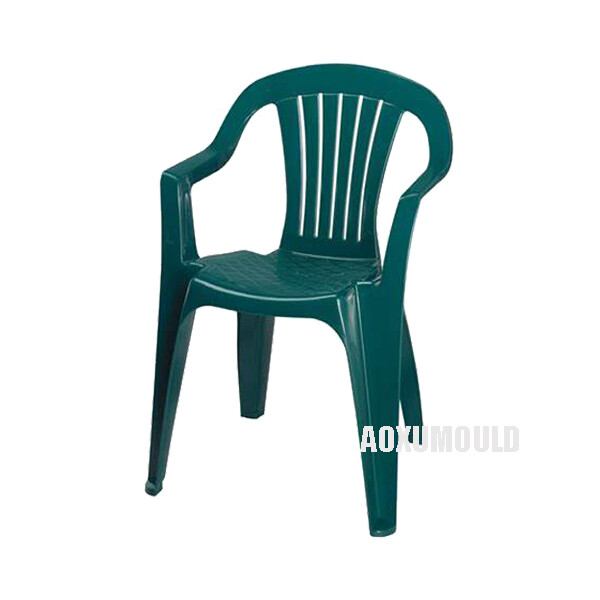
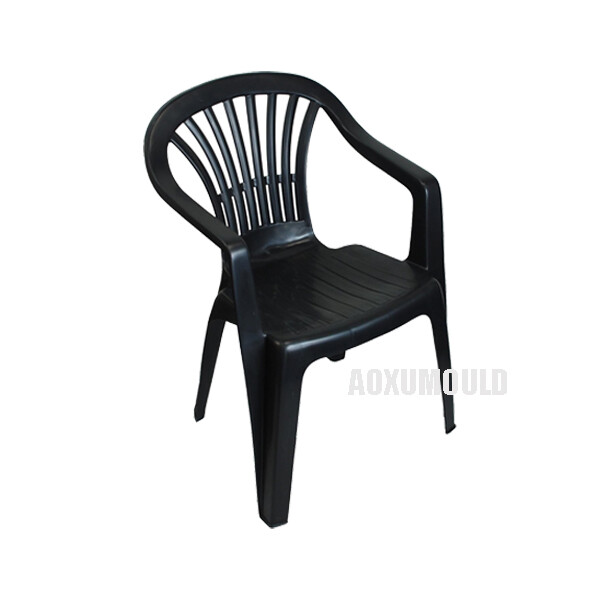
Mould Specifications
|
Mould name |
Plastic Furniture Mould |
|
Product material |
PP/PC/PE/HDPE/ABS, plastic |
|
Product Size |
Per sample |
|
Product weight |
Per sample |
|
Mould material for cavity &. Core |
C45, P20, 718, 2738 |
|
Mould base |
P20 |
|
Injection system |
Cold/Hot runner |
|
Suitable injection machine |
800T |
|
Mould lifetime |
more than 500,000pcs |
How to make plastic furniture mould?

Designing plastic furniture molds is a complex process that requires careful consideration of various factors to ensure the production of high-quality and functional furniture pieces. These moulds are used to shape and create the components of plastic furniture, such as chairs, stools, and tables. Here's a step-by-step guide on how to design plastic furniture moulds:
1. Define Your Requirements:
Before starting the design process, it's essential to establish clear requirements for the plastic furniture mold. Consider factors such as the type of furniture you are manufacturing, the plastic material to be used, production volume, and the desired quality of the final products.
2. Material Selection:
Choose the appropriate plastic material for your furniture. Different plastics have unique properties, including strength, flexibility, durability, and resistance to environmental factors. Common plastics used in furniture production include polypropylene (PP), polyethylene (PE), polyvinyl chloride (PVC), and acrylonitrile butadiene styrene (ABS).
3. Make the Mould Design:
The mould design phase involves the following steps:
Product Design: Create a detailed 3D model or CAD (Computer-Aided Design) drawing of the furniture piece. Ensure that the design is optimized for plastic molding, with considerations for draft angles, undercuts, and wall thickness.
Core and Cavity Design: Design the mould's core and cavity, which define the final shape of the furniture component. Pay attention to the parting line, where the mold separates into two halves, and ensure a proper fit between them.
Runner and Gate Design: Determine the location and size of the runner system and gate through which molten plastic will be injected into the mold cavity.
Cooling System: Include a cooling system in the mold design to control the temperature of the mold during the production process.
Ejection System: Plan an ejection system, such as ejector pins or ejector sleeves, to remove the molded part from the mold after it cools and solidifies.
4. Consider Mould Flow Analysis:
Mould flow analysis is a simulation that helps predict how molten plastic will flow and fill the mould cavity. It can identify potential issues such as air traps, weld lines, or incomplete filling. This analysis can inform adjustments to the mold design for optimal results.
5. Build the Mold:
Once the mould design is finalized and tested, it's time to build the actual mould. Skilled mould makers will use CNC machining, electrical discharge machining (EDM), and other techniques to create precise mold components.
6. Tryout and Adjustments:
After the mould is constructed, it undergoes tryout to verify its functionality. This includes running sample production runs, inspecting the molded parts for defects, and making any necessary adjustments to optimize the mold's performance.
7. Production:
Once the mould is ready and fully tested, it can be put into production. The mould is loaded into an injection molding machine (for injection moulds) or the appropriate machinery for other mould types. Plastic material is melted and injected into the mould cavity, where it cools and solidifies to create the furniture components.
8. Maintenance and Repairs:
Regular maintenance and, if needed, repairs of the mold are essential to ensure consistent quality and longevity. Cleaning, lubrication, and addressing any wear or damage are part of mould maintenance.
9. Quality Control:
Implement a comprehensive quality control process to inspect and test the moulded furniture pieces. This ensures that they meet the desired specifications, including size, shape, and structural integrity.
Design For Product &. Mould

Package &. Delivery

Mould Components
Mould Steel

Hot Runner System

Standard Parts

FAQ
Why Choose Us
If you are looking for a reliable and efficient plastic furniture injection mould company, then we can provide you with the best solutions that cater to your needs. Here are some reasons why you should choose our company:
1. Extensive Experience: Our company has years of experience in the field of plastic furniture injection moulding. We have a dedicated team of professionals who have extensive knowledge and expertise in designing and manufacturing high-quality plastic furniture.
2. State-of-the-Art Technology: Our company uses the latest technology and advanced equipment to ensure that our products are of high quality and meet the industry standards. Our machinery is regularly serviced and upgraded to maintain their efficiency and reliability.
3. Customized Solutions: We understand that every customer has unique requirements. Therefore, we provide customized solutions that are tailored to meet your specific needs. Our team of designers and engineers work closely with you to create a product that not only meets your expectations but exceeds them.
4. Quality Assurance: We have a strict quality control process to ensure that our products are of high quality. Our team of quality control professionals checks every product thoroughly before it is delivered to our customers.
5. Competitive Prices: We offer competitive prices for our products and services. Our prices are fair and transparent, and we do not compromise on the quality of our products to offer lower prices.
In conclusion, we are a reliable and trustworthy plastic furniture injection mould company that provides high-quality products and services tailored to meet your unique requirements. We pride ourselves on our extensive experience, state-of-the-art technology, customized solutions, quality assurance, and competitive pricing.
Customers' Feedback


