Introduction
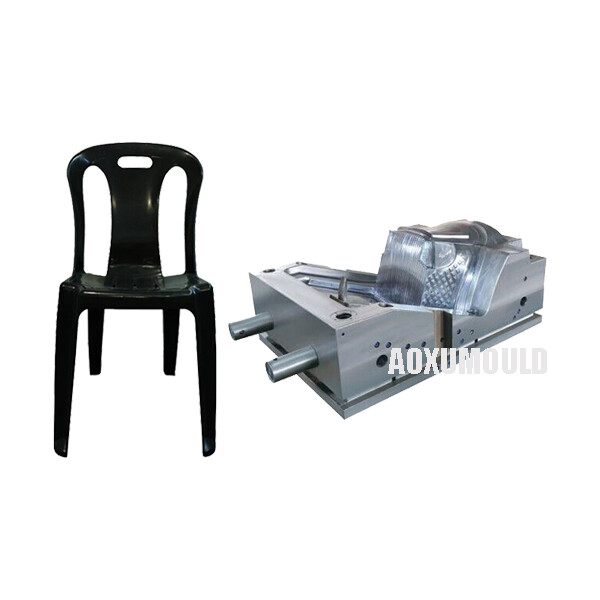
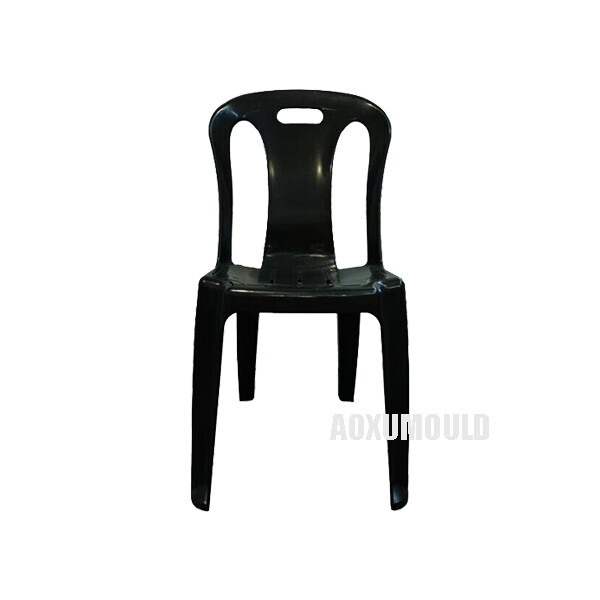
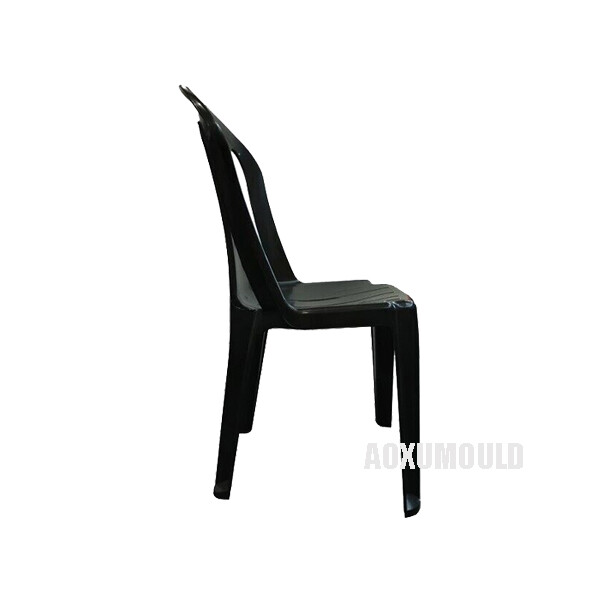
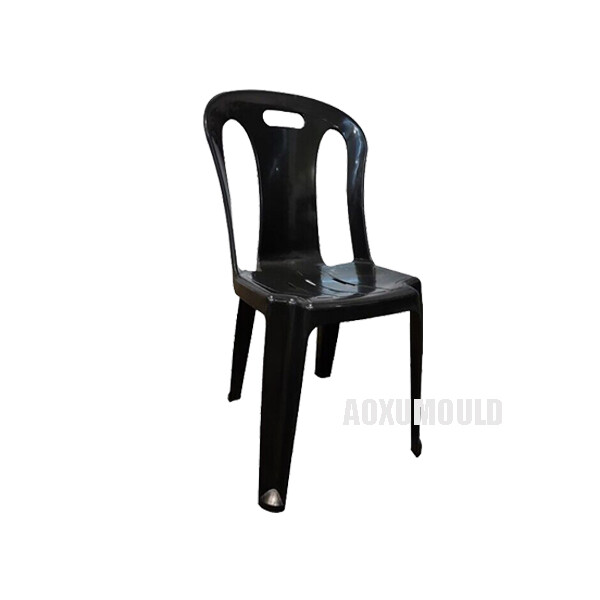
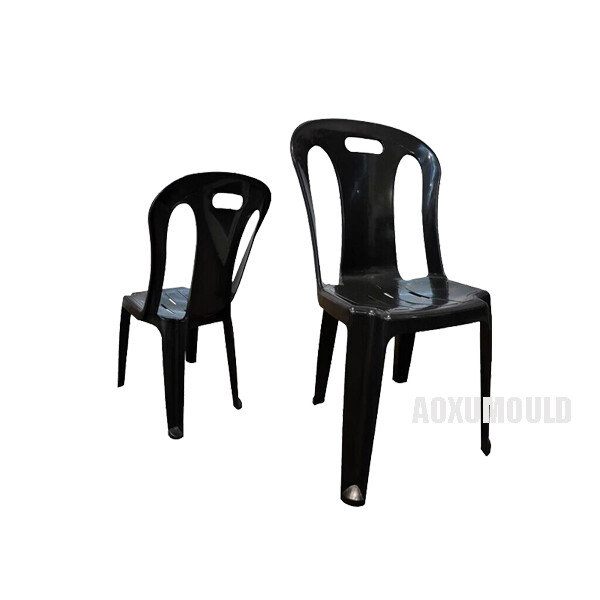
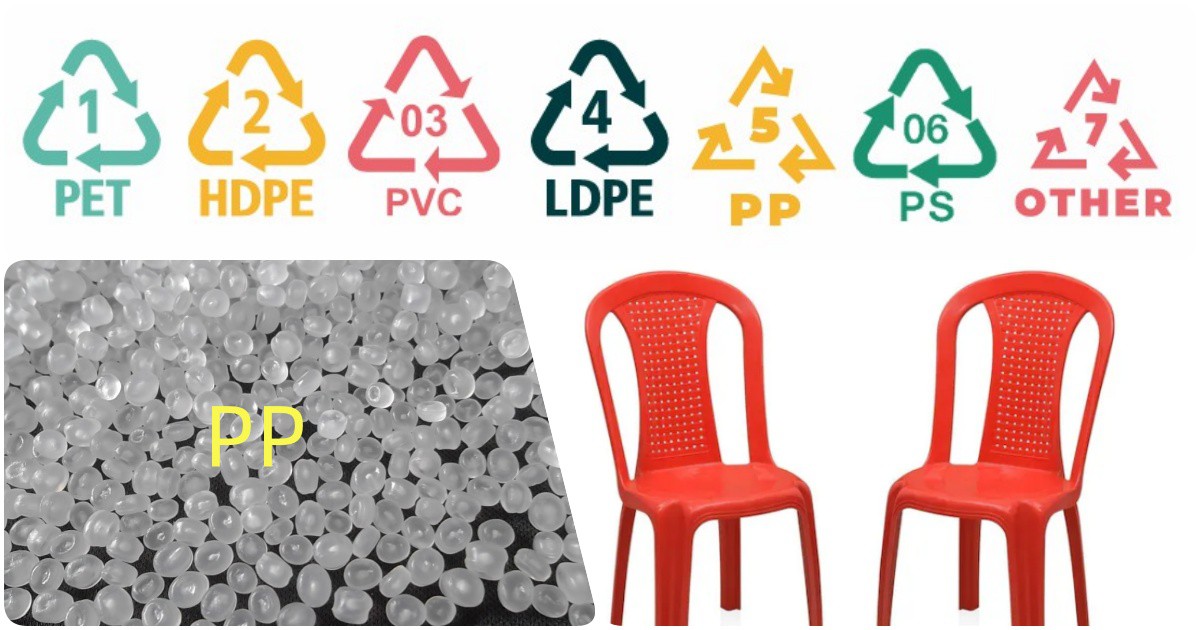
Polypropylene Chair Mould is a mold specially used for producing polypropylene chairs. The main function of this mold is to inject the melted polypropylene into the mold cavity through the injection molding process, and form the final shape of the chair after cooling and solidification. Common polypropylene chairs include dining chairs, leisure chairs, office chairs, etc.
Manufacturing process
1. Mold material selection
Use high-quality steels such as C45, P20, 718 and 2738, which have good wear resistance, corrosion resistance and stability. Use P20 steel, which has good strength and toughness.
2. Injection system design
The mold adopts a cold runner design, which helps to improve production efficiency. The cold runner system wastes less raw materials and reduces the maintenance cost required for the hot runner system, while ensuring uniform material flow during the injection molding process.
3. Suitable injection molding machine selection
The mold is suitable for 1000-ton injection molding machines. Such machines can provide sufficient injection pressure to ensure that the polypropylene material can fully fill the mold cavity during the injection molding process and obtain high-quality molding.
4. Manufacturing process
The molten polypropylene plastic is injected into the mold cavity using high-temperature injection molding. The polypropylene material needs to be cooled and solidified after injection molding. After the injection molding is completed, the mold needs to be opened for demolding.
5. Precision control
Through precise processing techniques such as CNC machining, EDM electric spark machining and other technologies, we ensure that the various parts of the mold are accurately docked to avoid deviations during the injection molding process.
How to maintain
1. Clean the mold regularly
After each injection molding, remove the plastic residue on the mold, especially between the cavity and the core, to prevent the accumulation of residues and affect the molding quality.
2. Check the cooling system
Check the cooling water pipe regularly to ensure that there is no blockage or leakage.
3. Lubrication and rust prevention
Like the slider, demoulding mechanism and other moving parts of the mold, lubricating oil or grease should be added regularly to reduce friction and ensure the smoothness of moving parts.
4. Check the injection system
Check the cold runner system regularly to ensure that there is no blockage, leakage or overheating.
5. Operator training
Operators should understand the use and maintenance requirements of the mold to avoid mold damage due to improper operation.
Mould Specifications
|
Mould name |
Polypropylene Chair Mould |
|
Chair material |
PP, plastic |
|
Product Size |
440X510X810mm |
|
Product weight |
2.2kg |
|
Mould material for cavity &. Core |
C45, P20, 718, 2738 |
|
Mould base |
P20 |
|
Injection system |
Cold runner |
|
Suitable injection machine |
1000T |
|
Mould size |
950X1030X1100mm |
|
Mould lifetime |
More than 500,000pcs |
Why Produce Chairs By Using Material PP?
Design For Product &. Mould

Package &. Delivery

Mould Components
Mould Steel
Hot Runner System

Standard Parts

FAQ
Q: What is the lifespan of polypropylene chair moulds?
Q: How can I ensure the longevity of my polypropylene chair moulds?
Q: Can I customize my polypropylene chair moulds?
Q: How long does it take for a polypropylene chair mould factory to create a mould?
Q: What is the ordering process for polypropylene chair moulds?
Q: What should I look for when choosing a polypropylene chair mould factory?
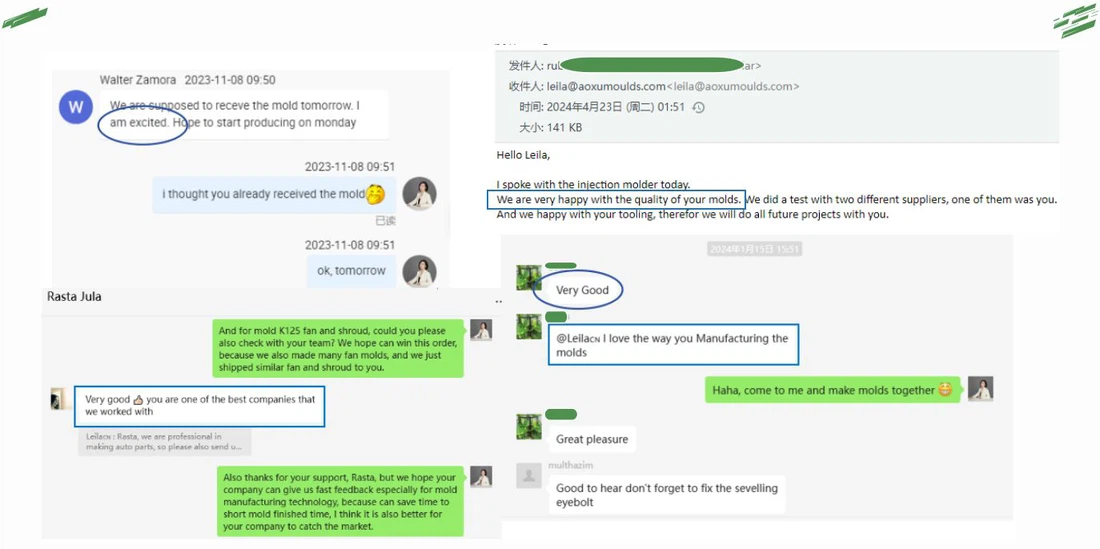
Customers' Feedback