

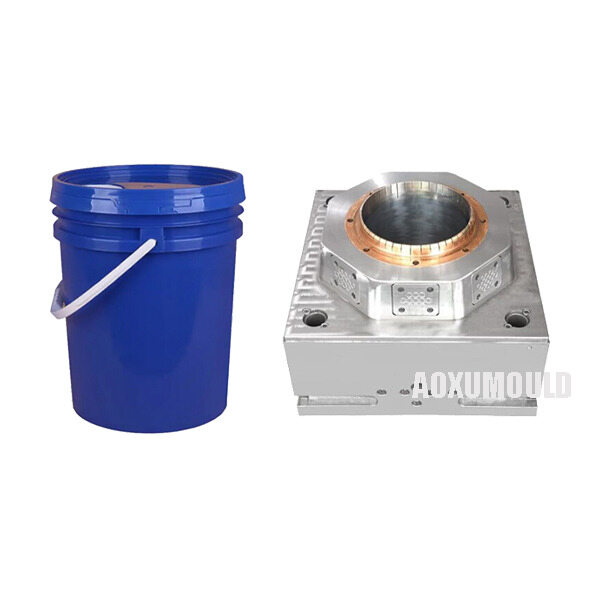
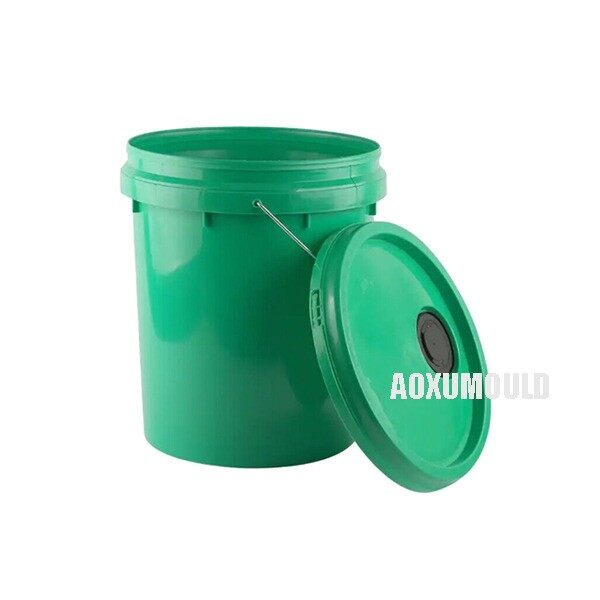
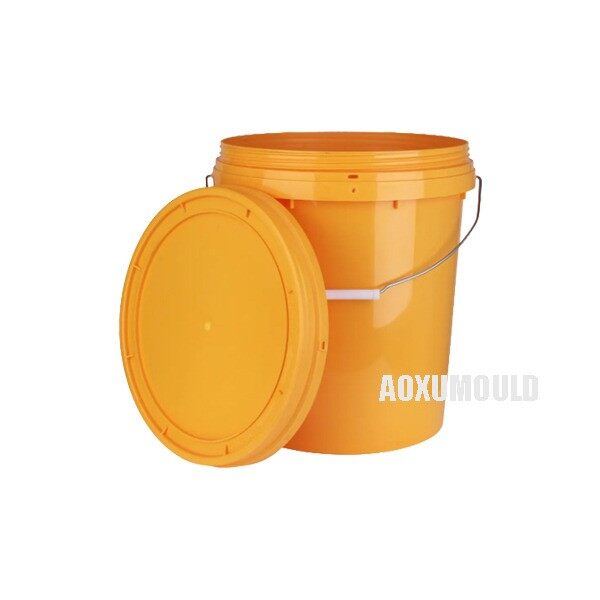
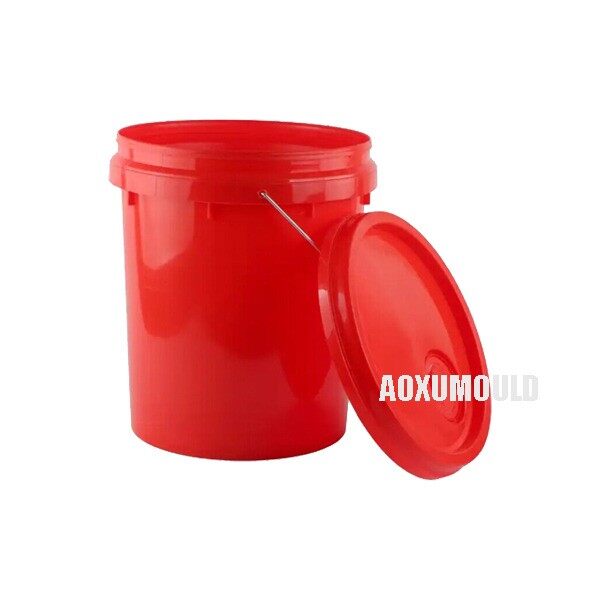
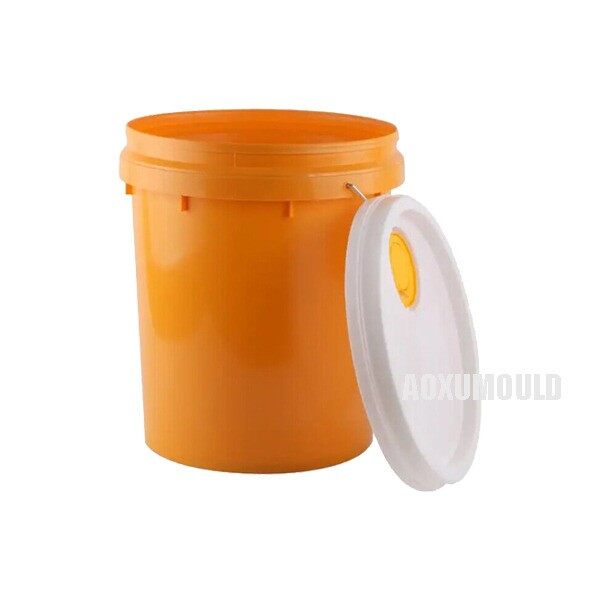
Mould Specifications
|
Mould name |
Plastic Pail Mould |
|
Bucket material |
PP/HDPE, plastic |
|
Product Size |
260X222X270mm |
|
Product weight |
1.5kg |
|
Mould material for cavity &. Core |
C45, P20, 718, 2738 |
|
Mould base |
P20 |
|
Injection system |
Hot runner |
|
Suitable injection machine |
450T |
|
Mould size |
550x550x535mm |
|
Mould lifetime |
more than 500,000pcs |
Quality Materials for Plastic Pails

Plastic pails are versatile containers used in a wide variety of industries including food, cosmetic, chemical and pharmaceutical industries. They are lightweight, durable, and affordable. These pails are usually made of plastic materials that are specifically designed to meet the requirements of the product they contain.
The most commonly used plastics for making plastic pails are high-density polyethylene (HDPE) and polypropylene (PP). These materials are ideal for making containers because of their excellent strength, durability, and chemical resistance. HDPE is a tough, rigid material that is widely used to produce pails. It is particularly well-suited for food and pharmaceutical applications because it is non-toxic and resistant to chemicals. PP is also a popular choice because it has a higher melting point than HDPE and therefore provides better heat resistance. PP is also more flexible than HDPE, making it ideal for applications that require a greater degree of flexibility.
Other types of plastics that are used to make plastic pails include PVC and PET. PVC is a versatile material that is used in a range of applications, including for making pails. It is also well-suited to cosmetics and chemical products because it is resistant to oils and chemicals. PET is a strong and lightweight plastic that is used to make clear pails. It is a popular choice for packaging products such as salad dressings, sauces, and other liquid products.
Overall, plastics that are used to make plastic pails are chosen based on the requirements of the application. Manufacturers carefully select the appropriate material to ensure the container is strong, durable, and resistant to the stresses of the product they contain. With advances in plastic technology, it is likely that other types of plastics will become available in the future for making plastic pails. But for now, HDPE and PP remain the most commonly used materials.
The Steps Of Making A Plastic Pail Mould
Making a plastic pail mould is an intricate process that requires precision, skill, and knowledge in the field of mold making. However, with the right tools, expertise, and patience, anyone can make a high-quality mold for their plastic pail.
The first step in making a plastic pail mould is to design the mold. This involves creating a 3D model using CAD software. The model should include all the necessary features of the plastic pail, such as the handle, the lid, and any other design elements.
The next step in making a plastic pail mold is to create the mold itself. This is done using a variety of tools, including cutting machines and lathes. The mold must be precisely crafted to ensure that it matches the 3D design and the blueprint.
Once the mould is complete, it is time to test it and make any necessary adjustments. This may involve making changes to the mould, or it may require making changes to the 3D design.
Finally, the plastic pail can be made using the finished mould. The mould is used to create the plastic pail by injecting molten plastic into the mold and allowing it to cool and set. Once the plastic has hardened, the mold is removed, and the plastic pail is complete.
In conclusion, making a plastic pail mould involves a series of complex steps that require patience, precision, and skill. However, with the right tools and expertise, anyone can make a high-quality mould that can be used to create plastic pails. So, it's a fascinating process that adds value to our products and makes our daily life easier.
Key Points Of Plastic Mould Design
Gate design
The gate position of the bucket mold is relatively fixed, mainly in the center of the bottom of the bucket. Recently,considering the production efficiency and cost-effective, most of the buckets are hot runner injection molding. There are two main types of hot runner options, one is the hot runner or the needle valve hot runner. The other is the choice of hot runner brands, such as domestic hot runner, Yudo, Husky, Master.
Design of the cooling line
The design of cooling line of bucket mold should be decided by bucket size and wall-thickness. The cooling line hole is too small and the cooling is not timely, which will easily cause the mold not to cool in time, and lead to the product surface with heat corona affecting the product appearance.
Therefore, it is necessary to adopt multi-loop cooling design, which can not only allows the mold to cool down quickly but also evenly at the same time.
Design of mold structure
The structure of the bucket mold is mainly according to the design of the product. The most common bucket on the market is the circular bucket. In order to save the cost of the mold, some mold manufacturers will make the circular mold structure which will save some money on mould steel and mould processing but will reduce the quality and life of the mould. However, FOW Mould always insisted on square mould to make sure the mold is strong enough to have the expected mold life.
Design For Product &. Mould

Chicken Feeder Mould Test
Package &. Delivery

Mould Components
Mould Steel

Hot Runner System

Standard Parts

How To Keep Our Moulds Well?
When it comes to plastic pail moulds, it's important to keep them in good condition to ensure they work effectively and efficiently. Here are some tips on how to keep your plastic pail moulds well:
Regular Cleaning: The most important step in maintaining plastic pail moulds is regular cleaning. It's essential to clean the moulds after each use to prevent any build-up of dirt or debris. Use a soft cloth or brush to remove the particles from the moulds, and then use a mild detergent to clean thoroughly.
Proper Storage: Proper storage is also essential in maintaining the quality of plastic pail moulds. Store them in a dry and cool place and make sure there is no moisture around the moulds. This reduces any chance of rusting or corrosion.
Lubrication: Lubrication is necessary to reduce friction in the plastic pail moulds and prevent any damage. Use a suitable lubricant to keep the moulds well lubricated and prolong their lifespan.
Prevent Overuse: Overuse of the plastic pail moulds can lead to wear and tear, reducing their effectiveness. It's crucial to follow the instructions provided by the manufacturer in terms of usage and frequency. Avoid using the moulds excessively, as this can deteriorate their quality.
In conclusion, plastic pail moulds can last for years if properly maintained. Regular cleaning, proper storage, lubrication, and preventing overuse are some of the best ways to ensure that your plastic pail moulds remain in good condition. By following these tips, you can save money on replacements and enjoy the benefits of using high-quality plastic pail moulds.
FAQ
Customers' Feedback


