Introduction
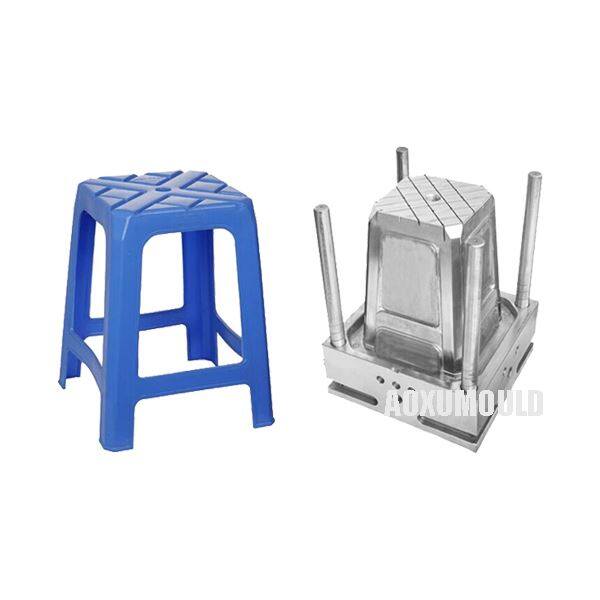
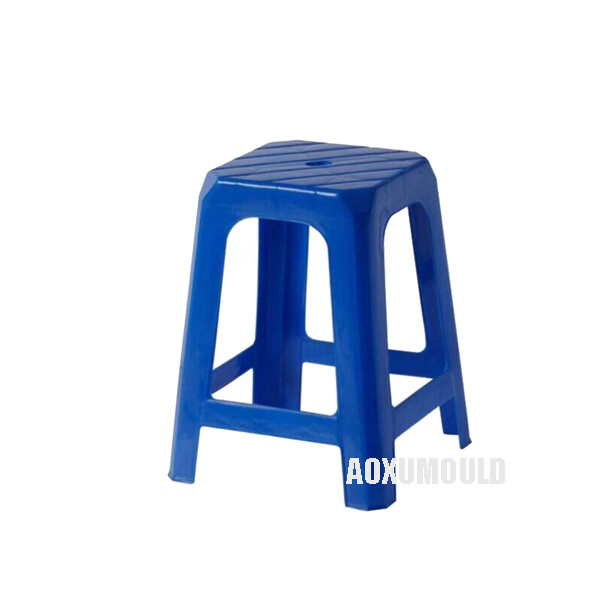
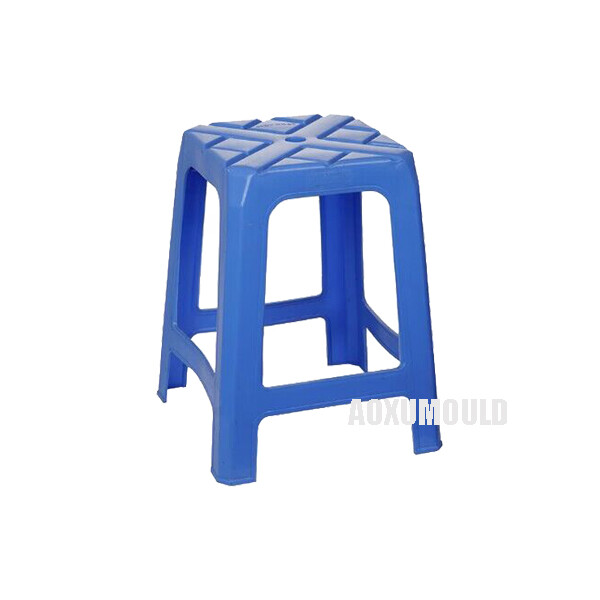
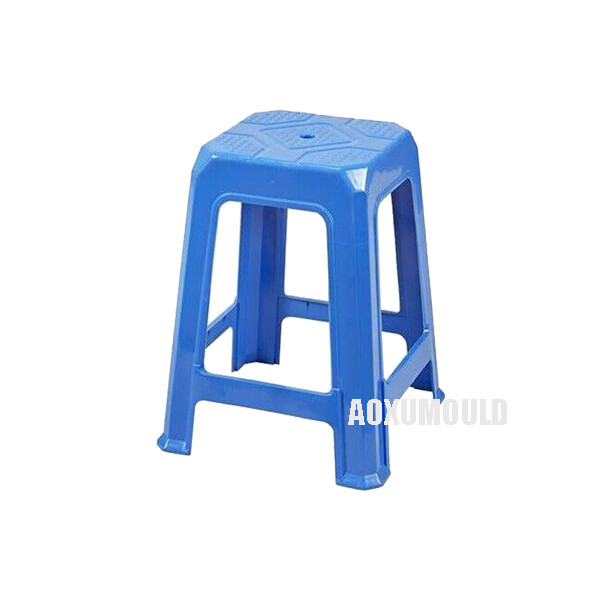
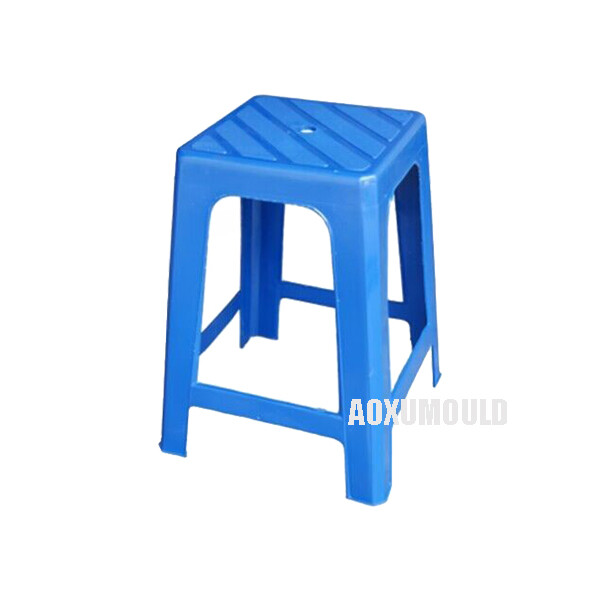
Plastic Stool Mould is a tool or equipment used to produce plastic stools. The working principle is to heat the plastic particles to a melted state, inject them into the mold cavity by injection or die-casting, and take out the finished product after cooling and solidification.
Manufacturing process
1. Mold design and material selection
Use high-strength alloy steel materials such as C45, P20, 718, and 2738. These materials have excellent hardness, wear resistance, and corrosion resistance. The mold frame uses P20 material, which has good processing performance.
2. Mold processing technology
Use high-precision CNC (computer numerical control machine tool) equipment to perform precision processing of the mold to ensure that the mold cavity and core can perfectly match and meet precise dimensional requirements. During the mold manufacturing process, heat treatment processes such as quenching and tempering are used to improve the hardness and wear resistance of the mold and extend the service life of the mold.
3. Cold runner system design
The mold adopts a cold runner system to reduce material waste and improve production efficiency. The cold runner maintains the runner temperature through a cooling circuit to ensure the fluidity and filling effect of the plastic during the injection process.
4. Injection molding process
The mold is suitable for a 650-ton injection molding machine. According to the mold design, the parameters of the injection molding machine such as temperature, pressure and injection speed need to be precisely controlled to ensure the quality and stability of the final product.
5. Quality control and testing
During the mold manufacturing process, precision instruments are used to check the dimensions and tolerances to ensure that the accuracy of the mold meets the design requirements.
How to maintain
1. Daily cleaning and inspection
Keep the mold surface clean to prevent the accumulation of residual plastic, oil and impurities, so as not to affect product quality and mold operation. Clean the cavity and core regularly to prevent the accumulation of plastic residue, especially after production.
2. Regular lubrication
Moving parts such as sliders, guide pins, guide sleeves, etc. need to add lubricating oil regularly to reduce friction and wear. After shutdown, especially when the mold is stored for a long time, spray anti-rust oil on the mold surface to prevent rust or corrosion.
3. Check mold parts
Pay attention to whether the cavity and core have scratches, wear or cracks. If so, repair or replace them in time. Guide pins and guide sleeves are the key centering parts of the mold. If they are found to be loose or worn, they need to be handled in time.
4. Correct storage method
After the mold is shut down, it should be stored in a dry and clean environment to avoid rust caused by a humid environment.
Mould Specifications
|
Mould name |
Plastic Stool Mould |
|
Stool material |
PP, plastic |
|
Product Size |
378X378X463mm |
|
Product weight |
2.0kg |
|
Mould material for cavity &. Core |
C45, P20, 718, 2738 |
|
Mould base |
P20 |
|
Injection system |
Cold runner |
|
Suitable injection machine |
650T |
|
Mould size |
680X680X730mm |
|
Mould lifetime |
More than 500,000pcs |
Why Produce Stools By Using Material PP?

Design For Product &. Mould

Mould Try-out of Plastic Stool Mould
Package &. Delivery

Mould Components
Mould Steel
Hot Runner System

Standard Parts

FAQ
Q: What kind of plastic are your stools made of?
Q: What is your production capacity for plastic stools?
Q: Can you customize the design and size of the plastic stools?
Q: How do you ensure the quality of your plastic stools?
Q: What is your production lead time for plastic stools?
Q: What kind of packaging do you use for your plastic stools?
Q: What is your payment term for plastic stool orders?
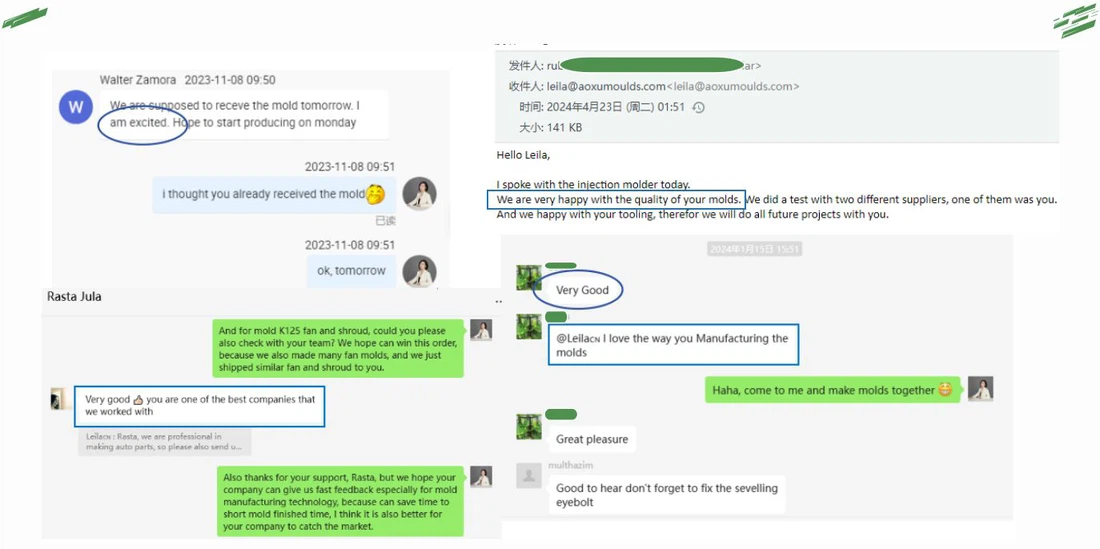
Customers' Feedback