

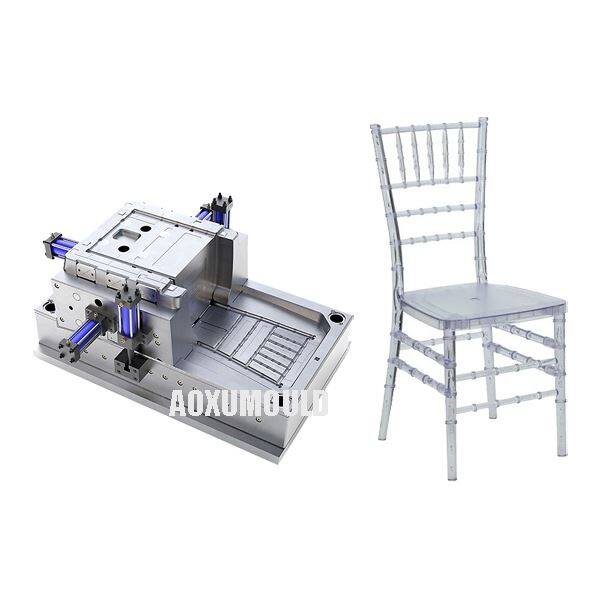
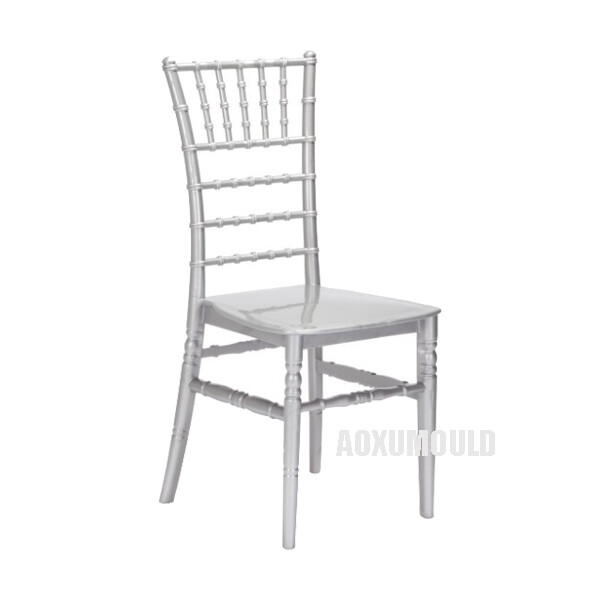
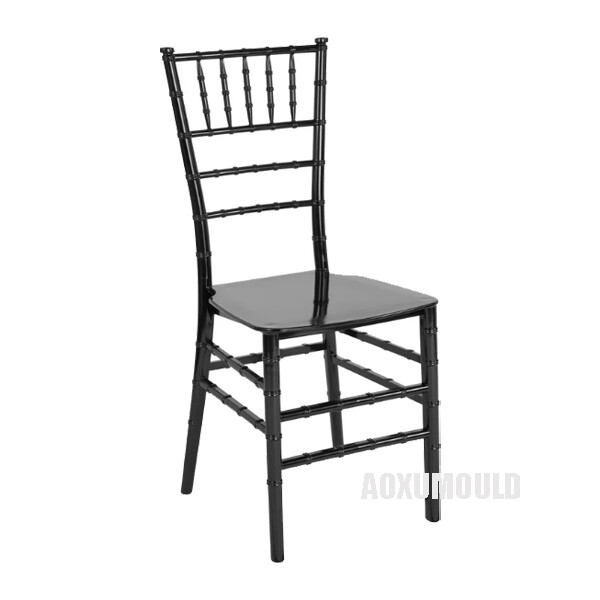
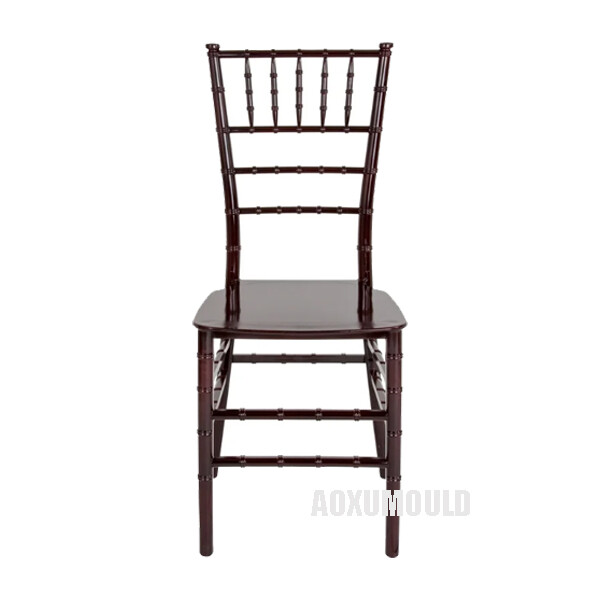
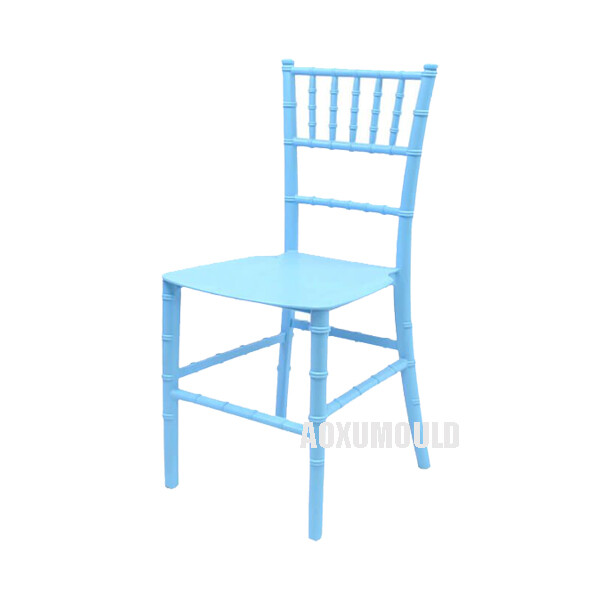
Mould Specifications
|
Mould name |
Tiffany Chair Mould |
|
Product material |
PP/ABS/PC, plastic |
|
Product Size |
670X430X1050mm |
| Product Weight |
4.2kg |
|
Mould material for cavity &. Core |
P20, 718 |
| Mould Base | C45 |
|
NOs of cavity |
1 cavity |
|
Injection system |
Cold/Hot runner |
|
Suitable injection machine |
1000T |
|
Mould size |
900X680X1300mm |
|
Mould lifetime |
more than 300,000pcs |
|
Delivery Time |
55 days |
Common Applications of Tiffany Chairs

1. Weddings & Events
Wedding Receptions – A classic choice for banquet seating due to their decorative appeal.
Outdoor Ceremonies – Often used in garden weddings for a romantic, vintage look.
Bridal & Cocktail Parties – Their elegant design enhances upscale event décor.
2. Cafés & Restaurants
Patio Seating – Resin or metal Tiffany chairs are weather-resistant for outdoor cafés.
Indoor Dining – Plastic versions are lightweight and stackable for easy storage.
Bistros & Tea Houses – Their vintage charm complements cozy, aesthetic interiors.
3. Home & Interior Decor
Dining Rooms – Metal or wooden Tiffany chairs add a touch of sophistication.
Balcony/Garden Furniture – Rust-resistant versions are ideal for outdoor relaxation.
Vanity or Dressing Areas – Used as accent chairs for a luxurious feel.
4. Commercial & Hospitality Use
Hotel Lounges & Lobbies – Enhances upscale ambiance.
Resorts & Beach Clubs – Plastic Tiffany chairs are used near pools for style and durability.
Event Venues – Frequently rented for parties, galas, and photo shoots.
5. DIY & Creative Uses
Upcycled Decor – Spray-painted or refurbished for a custom look.
Photography Props – Popular in bridal and vintage-themed photoshoots.
Retail Displays – Used in boutique shops for aesthetic product staging.
Designs For Product &. Mould

Why Choose PP/ABS/PC Plastic Material to Produce Tiffany Chairs?
The choice of PP (Polypropylene), ABS (Acrylonitrile Butadiene Styrene), or PC (Polycarbonate) for manufacturing Tiffany chairs depends on balancing cost, durability, aesthetics, and functionality. Here's why these plastics are preferred:
1. Polypropylene (PP) – The Budget-Friendly Workhorse
Cost-Effective: Cheaper than ABS or PC, ideal for mass production (e.g., event rentals).
Lightweight: Easy to stack and transport (popular for weddings/cafés).
Weather-Resistant: UV-stabilized PP works well outdoors without rusting.
Flexibility: Less prone to cracking under stress compared to rigid plastics.
Best For: Disposable-event chairs, budget outdoor furniture.
2. ABS – The Middle Ground for Durability & Aesthetics
Smooth, Glossy Finish: Mimics the look of painted metal/wood (premium feel).
Stronger Than PP: Better impact resistance, less likely to bend or deform.
Holds Fine Details: Perfect for intricate Tiffany-style patterns.
Paintable/Coatable: Can be metallized for a faux-wrought iron look.
Best For: Restaurants, indoor/outdoor hybrid use, mid-range Tiffany chairs.
3. Polycarbonate (PC) – The Premium Unbreakable Option
Extreme Durability: Near-unbreakable, withstands heavy use (e.g., resorts, airports).
Heat-Resistant: Won't warp in hot climates.
Crystal-Clear Options: Used for transparent/modern Tiffany designs.
Fire Retardant: Meets safety standards for commercial spaces.
Best For: High-end venues, luxury events, or all-weather heavy-duty use
The Importance of Mould Testing in Tiffany Chair Production

1. Ensures Product Quality & Consistency
Verifies Design Accuracy: Confirms that intricate Tiffany patterns (floral, latticework) are perfectly replicated.
Prevents Defects: Identifies issues like sink marks, warping, or incomplete filling early.
Maintains Aesthetic Standards: Guarantees a smooth, glossy finish (especially crucial for ABS/PC chairs).
2. Optimizes Production Efficiency
Tests Cycle Time: Determines the ideal cooling/ejection speed to maximize output.
Reduces Waste: Minimizes scrapped parts by fine-tuning pressure, temperature, and flow.
Validates Material Performance: Ensures PP, ABS, or PC behaves as expected under injection conditions.
3. Saves Costs in the Long Run
Avoids Mass-Production Errors: Fixing a mold defect after production starts can cost 10x more than testing upfront.
Extends Mold Lifespan: Prevents premature wear from misalignment or improper gating.
4. Enhances Durability & Functionality
Stress Testing: Checks if chairs can withstand weight/load without cracking (critical for event/restaurant use).
Environmental Resistance: Validates UV/weather resistance for outdoor chairs (e.g., PP with stabilizers).
How to Mold A Tiffany Chair?
Package &. Delivery

Mould Components
Mould Steel

Hot Runner System

Standard Parts

Customers' Feedback

Why Choose Us?
1. Expertise in Tiffany Chair Mould Design & Manufacturing
15+ Years of Experience – We've crafted molds for wedding, café, and luxury furniture industries.
Intricate Pattern Precision – Our CNC & EDM machining ensures flawless floral, lattice, and vintage designs.
Material Optimization – We recommend the best plastic (PP, ABS, PC) for durability, aesthetics, and cost.
2. High-Quality Moulds for Long-Lasting Performance
Premium Steel Moulds – Choose between:
Hardened Steel Moulds (500,000+ cycles) for mass production.
Strict Quality Control – Every mold undergoes 3D scanning, trial shots, and stress testing.
3. Cost-Effective Solutions for Any Budget
Competitive Pricing – No hidden fees; transparent quotes.
Multi-Cavity Molds – Reduce per-unit costs in high-volume production.
4. Fast Turnaround & Reliable Support
4–6 Weeks Standard Delivery (or 2–3 weeks rush service).
24/7 Technical Support – From design to mass production.
Mold Maintenance & Repair – Extend your mold's lifespan.
5. End-to-End Service
Design Assistance – Send sketches, and we'll refine them for mold-making.
Material Selection Guidance – PP for affordability, ABS for gloss, PC for luxury.
Production Follow-Up – Ensure smooth manufacturing with real-time updates.
FAQ
>1. What materials are best for Tiffany chair molds?
Hardened Steel: Best for high-volume production (100,000+ cycles), resists wear, such as P20, 718, H13, etc,.
Beryllium Copper: Used for intricate cooling channels in complex designs.
>2. What file formats do you accept for mold design?
3D formats: STEP, IGES, STP, X_T (Parasolid).
2D formats: DWG, DXF (for reference).
>3. How long does it take to manufacture a Tiffany chair injection mould?
The time it takes to manufacture a Tiffany chair injection mould can vary depending on the complexity of the design and the manufacturer's production schedule. Typically it takes about 55-60days.
>4. Can custom designs be accommodated when ordering Tiffany chair injection moulds?
Yes, we offer custom design services to meet the specific needs and requirements of our clients. Whether you need a unique shape, size, or pattern, we can work with you to create a mould that meets your specifications.
>5. How do you ensure mold quality?
CNC machining for precision.
EDM (Electrical Discharge Machining) for fine details.
Surface polishing for smooth finishes.
>6.How can I ensure the longevity of my Tiffany chair injection mould?
To ensure the longevity of your Tiffany chair injection mould, it is important to clean and maintain it regularly. Avoid exposing it to extreme temperatures or harsh chemicals, and store it in a dry and secure location when not in use.
>7. Can you ship molds internationally?
Yes, with proper packaging and customs documentation.


