

Introduction
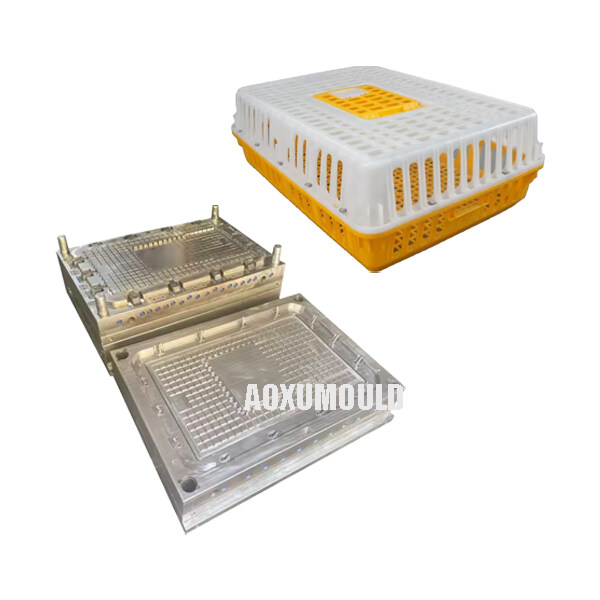
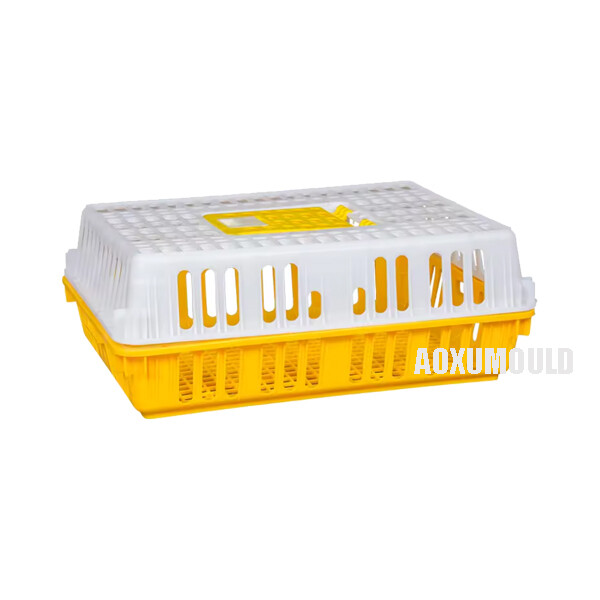
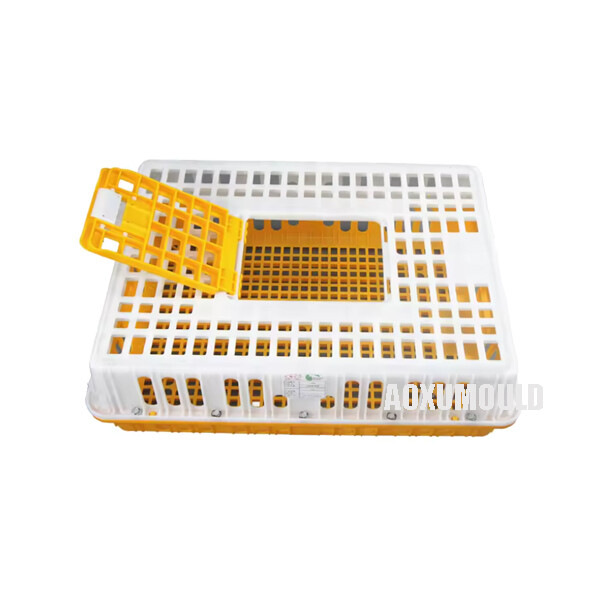
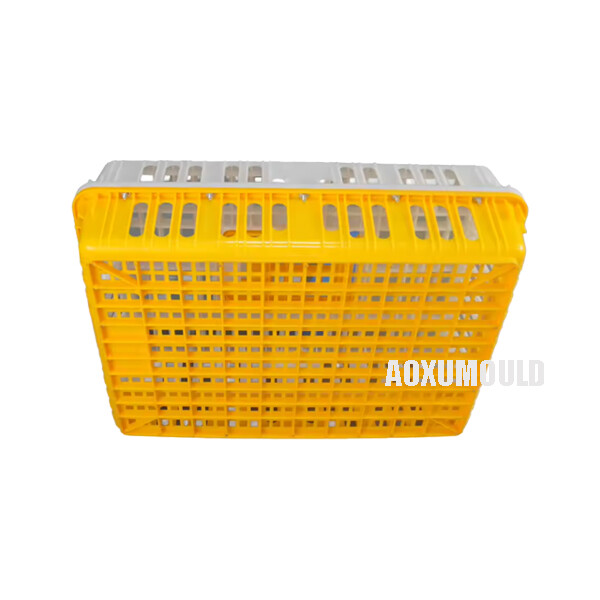
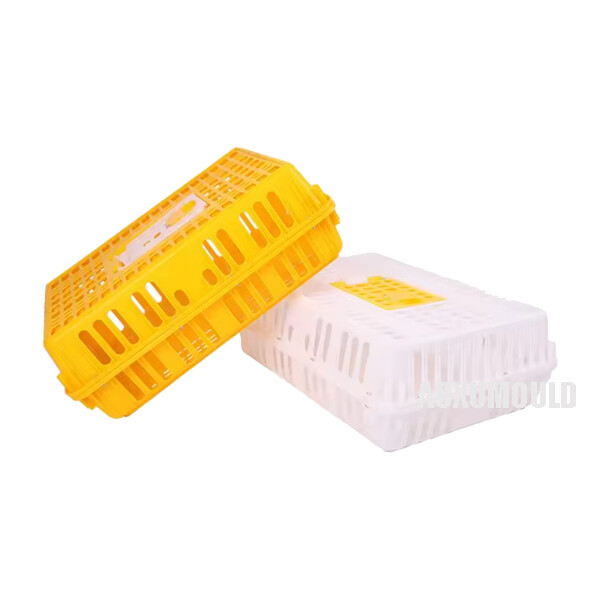
Chicken Transport Box Mould is an industrial mold specially used for the production of chicken transport boxes. It mainly uses durable plastic materials such as high-density polyethylene (HDPE). The mold design includes precision processing of the cavity and core. It uses high-strength materials such as C45, P20, etc., which can withstand high pressure and high frequency of use.
Manufacturing process
1. Mold material selection
Choose cavity and core materials (C45, P20, 718, 2738). C45 is often used for the core part of the mold; P20 is often used for the mold base and cavity; 718 is suitable for high-strength injection molding; 2738 is used for parts in the injection mold that need to withstand higher pressure. The mold frame uses P20, which is usually used for the frame part of the mold. It has high processability and hardness and can withstand large operating loads.
2. Injection system
The hot runner injection system is applied to this mold to ensure that the plastic can flow evenly during the injection process.
3. Injection molding process
Since the product material is high-density polyethylene (HDPE), the mold is produced by injection molding, and the mold size is 980x760x550 mm.
Applications
1. Clean the mold regularly
Clean the mold after each production to prevent the accumulation of impurities such as plastic residues, oil, dust, etc. Use a soft brush and detergent to remove dirt on the mold surface, avoid scratching with hard objects, and for the hot runner system, ensure that the nozzle and runner are not blocked.
2. Lubricate the mold
Regularly lubricate the moving parts of the mold (such as sliders, cores, ejectors, etc.), use high-quality lubricants, and avoid using overly viscous oil.
3. Check
Regularly check the thermostat and heating elements of the hot runner system. The nozzle part is prone to plastic accumulation. Check the nozzle regularly to ensure that there is no blockage.
4. Check mold accessories
Regularly check the condition of the ejector and push rod to ensure that they can push the finished product smoothly to avoid the finished product from getting stuck, and check the wear of the cavity and core.
5. Avoid excessive use
Avoid excessive pressure and load when using a 650-ton injection molding machine.
6. Mold Storage
After using the mold, it should be stored in a dry and clean environment to avoid damage to the mold caused by moisture, dust and corrosive gases.
Mould Specifications
|
Mould name |
Chicken Transport Box Mould |
|
Product material |
HDPE, plastic |
|
Product Size |
740x550x260mm |
|
Product weight |
4.35kg |
|
Mould material for cavity &. Core |
C45, P20, 718, 2738 |
|
Mould base |
P20 |
|
Injection system |
Hot runner |
|
Suitable injection machine |
650T |
|
Mould size |
980X760X550mm |
|
Mould lifetime |
More than 500,000pcs |
What Kind of Steel For Chicken Transport Box Injection Moulds?

Design For Product &. Mould

Package &. Delivery

Mould Components
Mould Steel

Hot Runner System

Standard Parts

FAQ
Customers' Feedback


