

How to Manufacture an Injection Mould for Plastic Pallets?
Producing a high-quality injection mould for plastic pallets requires careful planning, precision engineering, and adherence to industry standards. Below is a step-by-step guide to the process:
1. Design &. Engineering

-3D Modeling: Use CAD software (e.g., SolidWorks, AutoCAD) to design the mold based on the pallet's specifications (size, load capacity, structural features).
- Material Selection: Choose mold steel (e.g., P20, H13) or aluminum based on production volume and durability requirements.
- Draft Angles: Incorporate draft angles (1–3°) to ensure easy ejection of the pallet from the mould.
- Cooling System: Design an efficient cooling channel layout to minimize cycle time and prevent warping.
- Ejection System: Integrate ejector pins or plates to release the molded pallet smoothly.
2. Mould Manufacturing
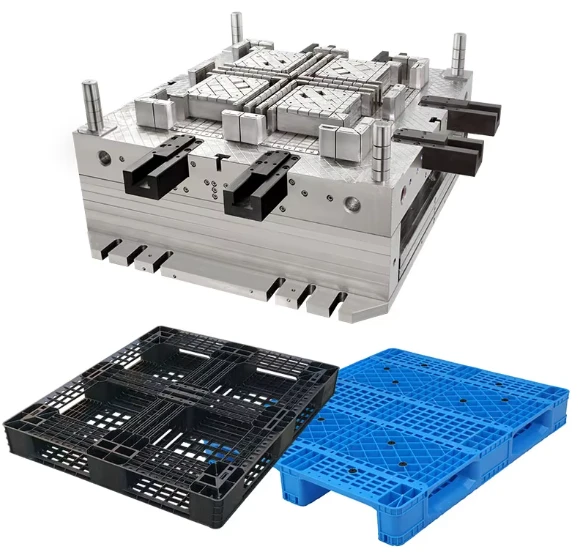
- CNC Machining: Machine the mould core and cavity using CNC mills or EDM (Electrical Discharge Machining) for high precision.
- Surface Finishing: Polish critical surfaces (e.g., cavity, runner) to achieve a smooth finish and reduce defects.
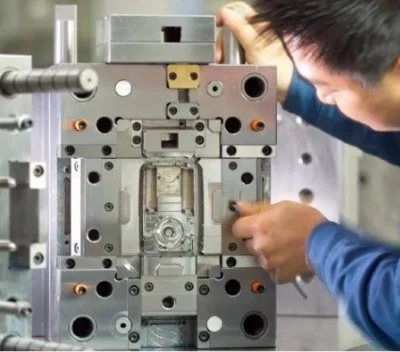
- Assembly: Assemble components (e.g., sliders, lifters, guide pins) to ensure proper alignment and functionality.
3. Testing &. Validation
- Trial Injection: Conduct a test run with the mold on an injection molding machine using the target plastic resin (e.g., HDPE, PP).
- Adjustments: Optimize parameters (temperature, pressure, cooling time) and modify the mould if defects (sink marks, flash) occur.
- Quality Checks: Verify dimensions, load-bearing capacity, and structural integrity of the molded pallet.
4. Production &. Maintenance
- Mass Production: Begin full-scale production after final approval.
- Regular Maintenance: Clean the mold, lubricate moving parts, and repair wear to extend its lifespan.