

In the manufacturing industry, understanding the production waste rate of a 240L dustbin mould is crucial for both cost - efficiency and environmental sustainability. As a 240L dustbin mould supplier, I have had extensive experience in this field and would like to share some insights on this topic.
Understanding the 240L Dustbin Mould
A 240L dustbin mould is a specialized tool used in the production of large - capacity dustbins. These dustbins are commonly used in public areas, commercial buildings, and residential complexes. The mould is designed to create a high - quality, durable dustbin with specific dimensions and features. The production process typically involves injection moulding, where molten plastic is injected into the mould cavity under high pressure.
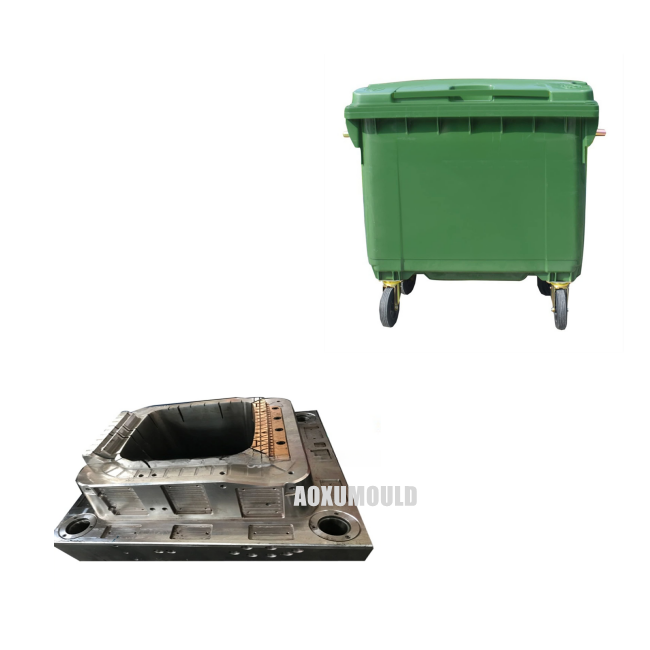

Factors Affecting the Production Waste Rate
1. Mould Design
The design of the 240L dustbin mould plays a significant role in determining the production waste rate. A well - designed mould will ensure uniform filling of the plastic material, minimizing the occurrence of defects such as short - shots, flash, and warping. For example, if the gate design is not optimized, it can lead to uneven flow of the plastic, resulting in parts that need to be scrapped. On the other hand, a mould with proper cooling channels can reduce cycle time and improve the quality of the final product, thus reducing waste.
2. Material Quality
The quality of the plastic material used in the production of the dustbins also affects the waste rate. Inferior quality plastics may contain impurities or have inconsistent properties, which can lead to defects during the moulding process. For instance, if the plastic has a high moisture content, it can cause bubbles or voids in the dustbin, making it unfit for use. High - quality plastics, although more expensive, can significantly reduce the production waste rate in the long run.
3. Machine Settings
The settings of the injection moulding machine are critical for minimizing waste. Parameters such as injection pressure, temperature, and speed need to be carefully adjusted according to the characteristics of the plastic material and the design of the mould. Incorrect machine settings can lead to over - packing or under - packing of the plastic, resulting in defective products. For example, if the injection pressure is too high, it can cause flash, while too low a pressure can lead to short - shots.
4. Operator Skill
The skill and experience of the machine operator also have a direct impact on the production waste rate. A skilled operator can quickly identify and correct any issues that arise during the moulding process, such as adjusting the machine settings or troubleshooting problems with the mould. In contrast, an inexperienced operator may not be able to detect problems early, leading to a higher waste rate.
Measuring the Production Waste Rate
The production waste rate can be measured by dividing the weight or volume of the wasted material by the total weight or volume of the material used in the production process. For example, if 100 kg of plastic is used to produce dustbins and 5 kg of the plastic is wasted, the waste rate is 5%. This measurement can be done on a daily, weekly, or monthly basis to monitor the performance of the production process.
Strategies to Reduce the Production Waste Rate
1. Continuous Mould Improvement
Regularly evaluating and improving the design of the 240L dustbin mould can significantly reduce the waste rate. This can involve optimizing the gate design, improving the cooling system, or making adjustments to the parting line. By working closely with mould designers and engineers, we can identify areas for improvement and implement changes to enhance the performance of the mould.
2. Quality Control of Materials
Implementing strict quality control measures for the plastic materials is essential. This can include testing the raw materials for moisture content, melt flow index, and other properties before they are used in the production process. By ensuring the quality of the materials, we can reduce the likelihood of defects and waste.
3. Operator Training
Providing comprehensive training to machine operators can improve their skills and knowledge, enabling them to operate the injection moulding machines more efficiently. Training can cover topics such as machine operation, mould maintenance, and quality control. By investing in operator training, we can reduce the human - error factor and lower the production waste rate.
4. Lean Manufacturing Principles
Applying lean manufacturing principles can also help in reducing the production waste rate. This involves streamlining the production process, eliminating non - value - added activities, and optimizing the use of resources. For example, implementing a just - in - time inventory system can reduce the amount of excess material on hand, while improving the layout of the production floor can enhance the flow of materials and reduce the risk of damage.
Comparison with Other Moulds
When comparing the production waste rate of a 240L dustbin mould with other types of moulds, such as the 660L Plastic Bin Mould, Plastic Bin Mould, and Plastic Waste Bucket Mould, several factors come into play. Larger moulds like the 660L plastic bin mould may have a higher waste rate due to the larger volume of plastic required and the increased complexity of the moulding process. However, with proper design and process optimization, the waste rate can be kept under control.
Conclusion
In conclusion, the production waste rate of a 240L dustbin mould is influenced by multiple factors, including mould design, material quality, machine settings, and operator skill. By understanding these factors and implementing appropriate strategies to reduce waste, we can improve the efficiency of the production process, lower costs, and contribute to environmental sustainability.
If you are interested in our 240L dustbin moulds or have any questions regarding production waste rates and mould performance, please feel free to contact us for further discussion and potential procurement. We are committed to providing high - quality moulds and excellent customer service.
References
- "Injection Moulding Handbook" by O. Olajide
- "Plastic Materials and Processing" by Joseph F. Whelan
- Industry reports on plastic moulding production efficiency