

Lubrication is a crucial aspect when it comes to the performance and longevity of crate moulds. As a leading crate mould supplier, we understand the significance of proper lubrication in ensuring the smooth operation of these essential industrial tools. In this blog post, we will delve into the lubrication requirements for crate moulds, exploring the types of lubricants, application methods, and the benefits of adhering to these requirements.
Types of Lubricants for Crate Moulds
There are several types of lubricants that can be used for crate moulds, each with its own set of properties and advantages. The choice of lubricant depends on various factors such as the type of plastic being processed, the operating temperature, and the specific requirements of the moulding process.
Silicone-Based Lubricants
Silicone-based lubricants are widely used in the plastic moulding industry due to their excellent heat resistance, low surface tension, and good release properties. They form a thin, uniform film on the surface of the mould, reducing friction and preventing the plastic from sticking to the mould walls. This helps to improve the quality of the moulded parts and extends the lifespan of the mould. Silicone lubricants are suitable for a wide range of plastics, including polypropylene (PP), polyethylene (PE), and polystyrene (PS).
Fluorocarbon-Based Lubricants
Fluorocarbon-based lubricants offer superior chemical resistance and high-temperature stability. They are particularly effective in applications where the mould is exposed to harsh chemicals or high processing temperatures. These lubricants provide excellent release properties and can withstand repeated moulding cycles without breaking down. Fluorocarbon lubricants are commonly used for moulding high-performance plastics such as polycarbonate (PC), acrylonitrile butadiene styrene (ABS), and polyoxymethylene (POM).
Mineral Oil-Based Lubricants
Mineral oil-based lubricants are a cost-effective option for general-purpose moulding applications. They provide good lubrication and protection against wear and corrosion. However, they may not be suitable for high-temperature applications or for use with certain types of plastics that are sensitive to oil contamination. Mineral oil lubricants are often used for moulding low-cost plastics such as PVC and LDPE.
Application Methods
Proper application of the lubricant is essential to ensure its effectiveness. There are several methods that can be used to apply lubricant to crate moulds, including:
Spray Application
Spray application is one of the most common methods for applying lubricant to crate moulds. It allows for a uniform and controlled distribution of the lubricant over the entire surface of the mould. Spray lubricants are available in aerosol cans or can be applied using a spray gun. When using a spray lubricant, it is important to follow the manufacturer's instructions regarding the distance from the mould, the spray pattern, and the amount of lubricant to be applied.
Brush Application
Brush application is a simple and effective method for applying lubricant to specific areas of the mould, such as the cavities or the ejector pins. It allows for precise control of the lubricant application and is suitable for small or intricate moulds. When using a brush, it is important to use a clean, soft brush to avoid scratching the mould surface.
Dip Application
Dip application involves immersing the entire mould in a bath of lubricant. This method ensures complete coverage of the mould surface and is suitable for large or complex moulds. However, it may require more time and resources compared to other application methods. After dipping, the excess lubricant should be drained off and the mould should be allowed to dry before use.
Benefits of Proper Lubrication
Proper lubrication of crate moulds offers several benefits, including:
Improved Mould Release
One of the primary benefits of lubrication is improved mould release. A well-lubricated mould allows the plastic part to be easily ejected from the mould, reducing the risk of damage to the part or the mould. This helps to improve the productivity of the moulding process and reduces the number of defective parts.
Reduced Friction and Wear
Lubrication reduces the friction between the plastic and the mould surface, which helps to prevent wear and tear on the mould. This extends the lifespan of the mould and reduces the need for frequent maintenance and replacement. Additionally, reduced friction also helps to lower the energy consumption of the moulding machine, resulting in cost savings.
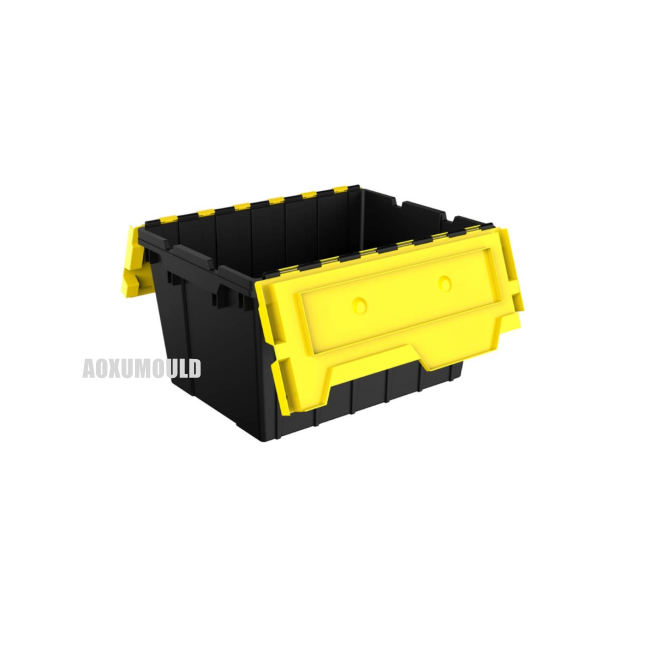

Enhanced Surface Finish
A properly lubricated mould can help to improve the surface finish of the moulded parts. The lubricant forms a smooth, protective layer on the mould surface, which prevents the plastic from sticking and leaves a clean, shiny finish on the part. This is particularly important for applications where the appearance of the part is critical, such as consumer products or automotive components.
Prevention of Corrosion
Lubrication also helps to protect the mould from corrosion. The lubricant forms a barrier between the mould surface and the environment, preventing moisture and chemicals from coming into contact with the metal. This is especially important for moulds that are used in humid or corrosive environments.
Lubrication Requirements for Different Types of Crate Moulds
The lubrication requirements may vary depending on the type of crate mould being used. Here are some specific considerations for different types of crate moulds:
Plastic Pallet Crate Mould
Plastic pallet crate moulds are typically used for producing large, heavy-duty crates. These moulds are often made of steel or aluminum and are subject to high pressures and temperatures during the moulding process. To ensure proper lubrication, it is recommended to use a high-temperature lubricant that can withstand the harsh operating conditions. Silicone or fluorocarbon-based lubricants are often a good choice for plastic pallet crate moulds.
Logistic Box Mould
Logistic box moulds are designed for producing boxes used in logistics and transportation. These moulds usually have a more complex shape and may require more precise lubrication to ensure proper mould release. A spray lubricant can be used to apply a thin, uniform layer of lubricant to the entire surface of the mould. Additionally, it is important to pay special attention to the lubrication of the ejector pins and other moving parts to prevent jamming.
HDPE Crate Mould
HDPE (high-density polyethylene) crate moulds are commonly used for producing crates made of HDPE plastic. HDPE has a relatively low melting point and is less likely to stick to the mould surface compared to other plastics. However, proper lubrication is still necessary to ensure smooth moulding and to prevent wear and tear on the mould. A mineral oil-based lubricant or a silicone-based lubricant can be used for HDPE crate moulds.
Conclusion
In conclusion, proper lubrication is essential for the optimal performance and longevity of crate moulds. By choosing the right type of lubricant and applying it correctly, you can improve mould release, reduce friction and wear, enhance the surface finish of the moulded parts, and prevent corrosion. As a crate mould supplier, we recommend that you follow the manufacturer's guidelines regarding lubrication and maintenance to ensure the best results.
If you are in the market for high-quality crate moulds or have any questions about lubrication requirements, please feel free to [contact us](insert contact information here). Our team of experts is always ready to assist you with your moulding needs and provide you with the best solutions for your business.
References
- "Plastic Mould Lubrication: A Comprehensive Guide." Plastic Moulding Technology Magazine, Vol. XX, Issue XX, Year.
- "Lubrication in the Plastics Industry." Industrial Lubrication Handbook, Second Edition, Edited by John Doe, Publisher, Year.
- Manufacturer's brochures and technical data sheets for various lubricants.