

What materials are commonly used to make trash can moulds?
As a seasoned supplier of trash can moulds, I've witnessed firsthand the crucial role that materials play in the manufacturing process. The choice of material for a trash can mould not only impacts the quality and durability of the final product but also influences the production efficiency and cost. In this blog post, I'll explore the materials commonly used to make trash can moulds and discuss their advantages and disadvantages.
Steel
Steel is one of the most popular materials for making trash can moulds due to its high strength, durability, and wear resistance. There are several types of steel commonly used in mould making, including carbon steel, alloy steel, and stainless steel.
- Carbon Steel: Carbon steel is a cost - effective option for trash can moulds. It contains a relatively high amount of carbon, which gives it good strength and hardness. However, carbon steel is prone to rust and corrosion, so it requires proper surface treatment, such as plating or painting, to protect it. Carbon steel moulds are suitable for low - to medium - volume production runs.
- Alloy Steel: Alloy steel is an improvement over carbon steel as it contains additional elements such as chromium, nickel, and molybdenum. These elements enhance the steel's strength, toughness, and wear resistance. Alloy steel moulds can withstand higher temperatures and pressures during the injection moulding process, making them ideal for high - volume production. They also have better dimensional stability, which ensures consistent quality in the produced trash cans.
- Stainless Steel: Stainless steel is known for its excellent corrosion resistance. It contains at least 10.5% chromium, which forms a passive oxide layer on the surface, protecting the steel from rust. Stainless steel moulds are often used when the trash cans will be exposed to harsh environments or chemicals. They are also easy to clean, which is an important factor in maintaining the hygiene of the moulds. However, stainless steel is more expensive than carbon and alloy steel, so it may not be the best choice for cost - sensitive projects.
Aluminum
Aluminum is another material commonly used in trash can mould making. It has several advantages that make it an attractive option for certain applications.
- Lightweight: Aluminum is much lighter than steel, which makes it easier to handle and transport the moulds. This can reduce labor costs and improve the overall efficiency of the manufacturing process.
- Good Thermal Conductivity: Aluminum has excellent thermal conductivity, which means it can transfer heat quickly during the injection moulding process. This results in faster cooling times for the plastic material, reducing the cycle time and increasing production efficiency.
- Easier Machining: Aluminum is softer and more malleable than steel, which makes it easier to machine into complex shapes. This allows for more intricate designs in the trash can moulds. However, aluminum is not as strong as steel, so it may not be suitable for high - pressure or high - volume production. Aluminum moulds are more commonly used for prototyping or low - volume production runs.
Beryllium Copper
Beryllium copper is a specialized alloy that is sometimes used in trash can mould making, especially for parts that require high thermal conductivity and good mechanical properties.
- High Thermal Conductivity: Similar to aluminum, beryllium copper has excellent thermal conductivity, which helps in rapid cooling of the plastic in the mould. This can significantly reduce the cycle time and improve productivity.
- Good Strength and Hardness: Beryllium copper has good strength and hardness, allowing it to withstand the stresses of the injection moulding process. It also has good wear resistance, which extends the lifespan of the mould. However, beryllium copper contains beryllium, which is a toxic material. Special safety precautions must be taken during the machining and handling of beryllium copper moulds to protect the workers from exposure to beryllium dust.
Considerations When Choosing a Material
When selecting a material for a trash can mould, several factors need to be considered:

- Production Volume: For high - volume production, steel, especially alloy steel, is often the best choice due to its strength and durability. For low - volume production or prototyping, aluminum or beryllium copper may be more suitable.
- Design Complexity: If the trash can design is complex, materials that are easier to machine, such as aluminum, may be preferred.
- Cost: Cost is always an important factor. Carbon steel is the most cost - effective option, while stainless steel and beryllium copper are more expensive.
- Environmental Conditions: If the trash cans will be used in harsh environments, materials with good corrosion resistance, such as stainless steel, should be considered.
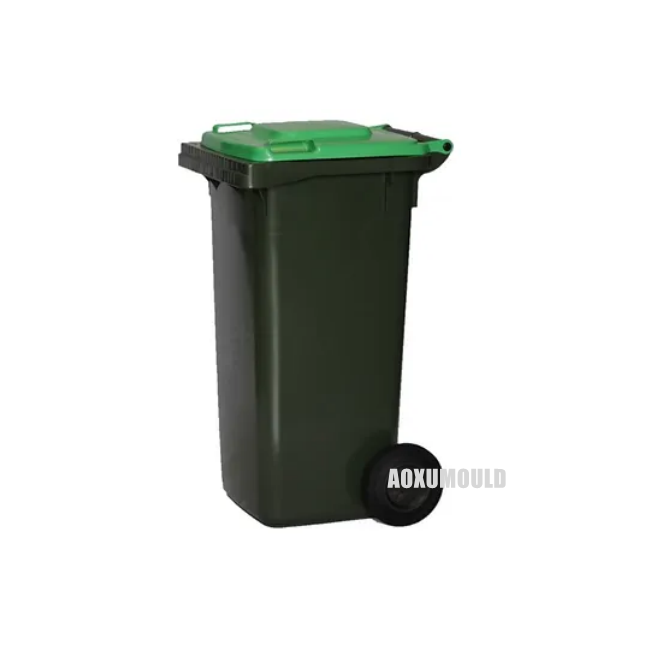
At our company, we offer a wide range of trash can moulds made from different materials to meet the diverse needs of our customers. For example, we have the 120L Wheelie Bin Mould, which is designed for high - volume production and can be made from alloy steel for optimal performance. Our 120l Recycling Bin Mould is also available in different materials, allowing customers to choose based on their specific requirements. And our Wheel Dustbin Mould is designed with precision and can be manufactured using the most suitable material for your production needs.
If you are in the market for high - quality trash can moulds, we encourage you to contact us for a detailed discussion. Our team of experts can help you select the right material for your project, taking into account all the relevant factors. We are committed to providing you with the best solutions that meet your production goals and budget.
References
- "Mould Making Materials: A Comprehensive Guide" by John Smith, published by Moulding Press.
- "Materials Science for Injection Moulding" by Emily Johnson, available from Academic Publishers.
- Industry reports on mould manufacturing materials from leading research firms.