

Hey there! As a supplier of 240L dustbin moulds, I've been keeping a close eye on the industry. So, I thought I'd share my thoughts on what the trend of development for 240L dustbin moulds is.
First off, let's talk about the current state of the 240L dustbin market. These dustbins are widely used in urban and rural areas for waste collection. They're big enough to hold a decent amount of trash, yet still manageable in terms of size and weight. The demand for 240L dustbins has been steadily increasing as more and more places focus on proper waste management and environmental protection.
Now, onto the moulds. The development of 240L dustbin moulds is closely tied to the evolution of the dustbins themselves. One of the major trends I've noticed is the move towards more durable and high - quality moulds. In the past, some moulds were made with less - than - ideal materials, which led to shorter lifespans and more frequent replacements. But nowadays, we're seeing a shift towards using better steel alloys and advanced manufacturing techniques. This not only makes the moulds last longer but also ensures that the dustbins produced have a more consistent quality.
Another important trend is the integration of new technologies. For example, there's a growing demand for Recycling Container Mould. These moulds are designed to produce dustbins that are specifically for recycling purposes. They often have special compartments or features that make it easier to separate different types of recyclable materials. With the increasing awareness of environmental issues, more municipalities and waste management companies are looking for these kinds of innovative solutions.
Automation is also playing a big role in the development of 240L dustbin moulds. Automated moulding processes can significantly increase production efficiency. They reduce the need for manual labor, which in turn cuts down on costs and minimizes the risk of human error. For instance, automated systems can precisely control the injection of plastic into the mould, ensuring that each dustbin is formed to the exact specifications. This leads to a higher - quality end product and a more streamlined production process.
The design of the dustbins themselves is evolving too, and this has an impact on the moulds. There's a trend towards more ergonomic and user - friendly designs. Dustbins are now being made with features like easy - to - open lids, smooth edges, and better stacking capabilities. To produce these new - style dustbins, the moulds need to be designed and manufactured with great precision. This means that mould suppliers, like me, have to constantly invest in research and development to keep up with these design changes.
Sustainability is a buzzword in almost every industry these days, and the 240L dustbin mould industry is no exception. There's a push towards making the moulding process more sustainable. This includes using recycled materials in the production of the moulds whenever possible and reducing energy consumption during the manufacturing process. Additionally, the dustbins produced should be recyclable at the end of their lifespan. Mould suppliers are working hard to find ways to meet these sustainability goals while still maintaining high - quality standards.
We're also seeing a rise in the demand for Plastic Bin Mold. Plastic is a popular choice for dustbins because it's lightweight, durable, and relatively inexpensive. However, the quality of the plastic and the way it's processed in the mould can have a big impact on the final product. Mould suppliers need to ensure that they're using the right type of plastic and that the moulding process is optimized to produce strong and long - lasting dustbins.
Smart technology is making its way into the dustbin world as well, and this brings us to the Smart Trash Can Mould. These moulds are used to create dustbins that are equipped with sensors and other smart features. For example, a smart dustbin might be able to detect when it's full and send an alert to the waste management team. This kind of technology can greatly improve the efficiency of waste collection and reduce the chances of overflowing dustbins. As the demand for smart cities and efficient waste management systems grows, the demand for smart trash can moulds is likely to increase as well.
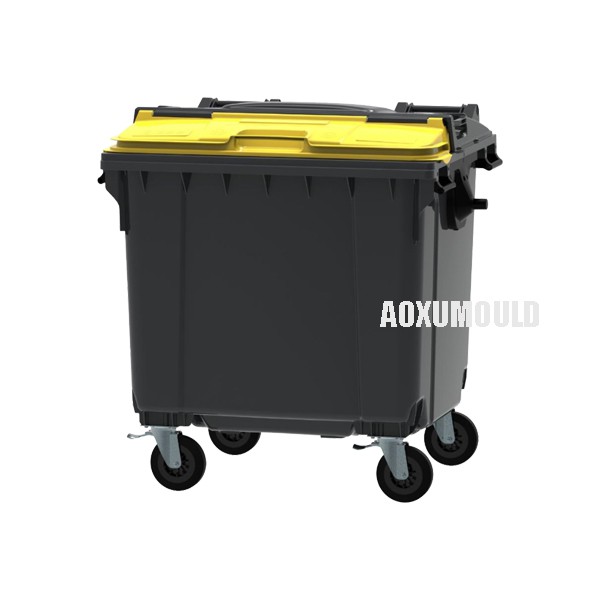

In terms of the market, the competition is fierce. There are many suppliers out there offering 240L dustbin moulds. To stay ahead, we need to not only keep up with the latest trends but also offer excellent customer service. This means providing fast turnaround times, offering competitive pricing, and being able to customize the moulds according to the specific needs of our customers.
If you're in the market for 240L dustbin moulds, I'd love to have a chat with you. Whether you're looking for a standard mould or something more specialized, like a recycling container mould or a smart trash can mould, I'm here to help. We can discuss your requirements, and I can show you how our products can meet your needs and help you stay competitive in the waste management industry. So, don't hesitate to reach out and start a conversation about your next project.
References:
- Industry reports on waste management and plastic moulding technology
- Interviews with waste management companies and local municipalities regarding their dustbin requirements