

Hey there! As a waste bin mould supplier, I know how crucial it is to have a proper maintenance schedule for these moulds. In this blog, I'll walk you through what waste bin mould maintenance schedules are all about.
Why Maintenance Schedules Matter
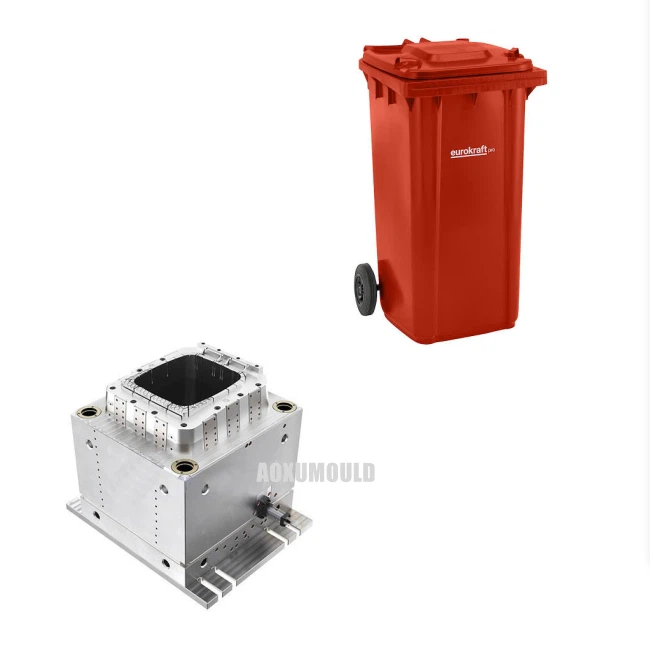
First off, let's talk about why having a maintenance schedule for waste bin moulds is so important. Waste bin moulds are used to produce all kinds of waste bins, like Waste Bucket Mould, 240L Plastic Bin Mould, and Recycle Dustbin Mould. These moulds go through a lot of wear and tear during the manufacturing process. Without regular maintenance, they can develop issues such as surface damage, corrosion, and dimensional inaccuracies.
A well - planned maintenance schedule helps to extend the lifespan of the moulds. It ensures that the moulds are always in good working condition, which in turn leads to high - quality waste bin production. When the moulds are properly maintained, the waste bins produced will have consistent quality, with smooth surfaces and accurate dimensions.
Daily Maintenance
The daily maintenance of waste bin moulds is the first line of defense in keeping them in good shape. Every day, after the production process is over, the moulds should be cleaned. This involves removing any residual plastic, dust, or debris from the mould cavities. A soft brush or a compressed air gun can be used for this purpose.
Inspection is also a key part of daily maintenance. Check for any visible signs of damage, such as cracks, chips, or scratches. Pay special attention to the parting lines and the ejector pins. If any issues are found, they should be addressed immediately. For example, if there is a small scratch, it can be polished to prevent it from getting worse.
Lubrication is another important daily task. The moving parts of the mould, like the ejector pins and the slides, need to be lubricated regularly. This reduces friction and wear, ensuring smooth operation. Use a high - quality lubricant that is suitable for the mould material and the production environment.

Weekly Maintenance
On a weekly basis, a more in - depth inspection of the waste bin moulds should be carried out. This includes a more thorough check of the cooling channels. The cooling channels play a crucial role in the moulding process, as they help to control the temperature of the mould. Over time, these channels can get clogged with dirt, rust, or scale.
To check the cooling channels, you can use a flow meter to measure the water flow rate. If the flow rate is lower than normal, it may indicate a blockage. In such cases, the cooling channels need to be cleaned. This can be done using a chemical cleaning solution or by mechanical means, such as using a high - pressure water jet.
The mould's electrical and hydraulic systems also need to be inspected weekly. Check for any loose connections, leaks, or abnormal noises. Make sure that the sensors and switches are working properly. If any problems are detected, they should be fixed right away to avoid any production disruptions.
Monthly Maintenance
Monthly maintenance involves a comprehensive inspection and adjustment of the waste bin moulds. The moulds should be disassembled to a certain extent to access internal components. Check the alignment of the mould halves. If the mould is not properly aligned, it can lead to uneven wear and poor - quality waste bin production.
Inspect the mould's inserts and cores. These are the parts that give the waste bins their specific shapes. Over time, they can wear out or become damaged. If necessary, replace any worn - out inserts or cores.
The surface finish of the moulds should also be checked monthly. The surface finish affects the appearance and the release properties of the waste bins. If the surface finish has deteriorated, it can be restored through a process called surface treatment. This may involve polishing, plating, or coating the mould surface.
Quarterly Maintenance
Quarterly maintenance is a major overhaul of the waste bin moulds. At this stage, the moulds should be sent to a professional mould repair and maintenance facility for a more detailed inspection and repair. The facility has specialized equipment and expertise to detect and fix any hidden problems.
The mould material should be tested for hardness and other mechanical properties. If the material has lost its hardness or other important properties, it may be necessary to heat - treat or replace the mould.
The mould's overall performance should be evaluated during quarterly maintenance. This includes testing the mould's cycle time, production efficiency, and the quality of the waste bins produced. Based on the evaluation results, any necessary adjustments or improvements can be made.
Annual Maintenance
Annual maintenance is the most comprehensive maintenance activity for waste bin moulds. The moulds should be completely disassembled, and every component should be inspected, cleaned, and repaired or replaced if necessary.
The mould's structure should be checked for any signs of fatigue or deformation. Over time, the repeated stress during the production process can cause the mould structure to weaken. If any structural issues are found, they need to be addressed to ensure the safety and reliability of the mould.
The mould should also be re - calibrated annually. This involves adjusting the mould's dimensions and settings to ensure that it is producing waste bins with the correct specifications.
Record - Keeping
Throughout the maintenance process, it is essential to keep detailed records. Record all the maintenance activities, including the date, the type of maintenance, the parts that were inspected or replaced, and the results of the inspection. These records can be used to track the mould's history and performance.
They also help in predicting future maintenance needs. For example, if a particular part of the mould has been replaced multiple times, it may indicate a design flaw or a problem with the production process. By analyzing the records, you can take proactive measures to address these issues.
Conclusion
In conclusion, having a proper waste bin mould maintenance schedule is essential for any waste bin manufacturer. The daily, weekly, monthly, quarterly, and annual maintenance tasks all work together to ensure that the moulds are always in top - notch condition.
By following these maintenance schedules, you can save a lot of money in the long run. You'll avoid costly mould repairs and replacements, and you'll also improve the quality of your waste bin production.
If you're in the market for high - quality waste bin moulds or need more information about mould maintenance, don't hesitate to reach out. We're here to help you with all your waste bin mould needs. Whether you're looking for Waste Bucket Mould, 240L Plastic Bin Mould, or Recycle Dustbin Mould, we've got you covered. Contact us today to start a conversation about your requirements!
References
- "Mould Maintenance Handbook" by Industry Press
- "Plastic Moulding Technology" by Academic Publishing Group