

Rattan chairs have long been a staple in interior design, offering a blend of natural beauty and comfort. In recent years, modern - style rattan chairs have gained significant popularity due to their sleek designs and contemporary appeal. As a rattan chair mould supplier, I'm excited to share with you a detailed guide on how to make a modern - style rattan chair using a mould.
Understanding the Basics of Rattan Chair Moulds
Before we dive into the manufacturing process, it's essential to understand the role of rattan chair moulds. These moulds are precision - engineered tools that determine the shape and structure of the final chair. They come in various designs, each catering to different modern styles, from minimalist to more elaborate and artistic forms.
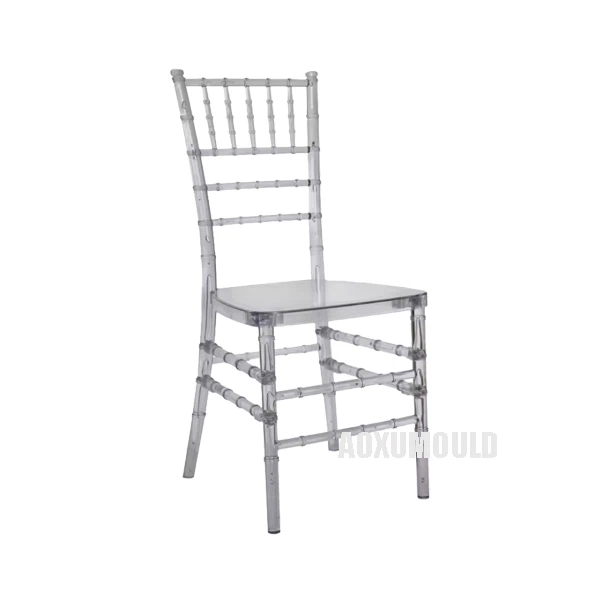
The quality of the mould directly impacts the quality of the chair. A well - crafted mould ensures that the rattan chair has smooth edges, proper proportions, and a consistent finish. As a supplier, we take pride in offering high - quality Wedding Chair Mould, Bus Seat Mould, and Lounge Chair Mould that meet the stringent requirements of modern furniture production.
Selecting the Right Mould
The first step in making a modern - style rattan chair is selecting the appropriate mould. Consider the design aesthetic you want to achieve. For a minimalist modern look, choose a mould with clean lines and simple shapes. If you're aiming for a more organic and flowing design, look for a mould with curved edges and a more fluid silhouette.
It's also important to consider the size of the chair. Measure the available space where the chair will be placed and ensure that the mould you select will produce a chair of the right dimensions. Additionally, check the material of the mould. High - quality steel or aluminum moulds are preferred as they are durable, resistant to wear and tear, and can withstand the high - pressure injection process.
Preparing the Rattan Material
Once you have the right mould, the next step is to prepare the rattan material. Traditional rattan is a natural material, but for modern production, synthetic rattan is often used due to its durability, weather resistance, and ease of maintenance.
Start by cutting the rattan into the appropriate lengths. The length will depend on the design of the chair and the parts of the chair you are making. You can use a sharp pair of scissors or a rattan cutting machine for this task. After cutting, soak the rattan in water for a few hours to make it more flexible. This step is crucial as it allows the rattan to bend easily without breaking during the weaving process.
Using the Mould in the Manufacturing Process
The actual process of using the mould to make the rattan chair can be divided into several steps:
Mould Assembly and Preparation
Before using the mould, it must be thoroughly cleaned and lubricated. This ensures that the rattan and any additional materials can be easily removed from the mould after the shaping process. Assemble the parts of the mould carefully, making sure that all the joints are tight and properly aligned.
Weaving the Rattan
Once the mould is prepared, start weaving the rattan. You can use different weaving techniques depending on the design of the chair. For example, a simple over - under weaving pattern can create a classic look, while more complex patterns like the herringbone pattern can add a touch of sophistication.
Place the soaked rattan on the mould and start weaving it around the frame. As you weave, make sure to keep the rattan tight to ensure a firm and stable structure. You may need to use small clips or pins to hold the rattan in place initially.
Adding Support Structure
In some cases, you may need to add a support structure to the rattan chair. This can be done using metal or plastic rods that are inserted into the mould along with the rattan. These support rods help to strengthen the chair and prevent it from sagging over time.
Setting and Drying
After the rattan is woven and the support structure is in place, the chair needs to be set in the mould. Apply pressure to the chair to ensure that it takes the shape of the mould accurately. You can use weights or a hydraulic press for this purpose.
Leave the chair in the mould for a sufficient amount of time to dry. The drying time will depend on the type of rattan and the environmental conditions. Synthetic rattan usually dries faster than natural rattan. Once the chair is dry, carefully remove it from the mould.
Finishing Touches
Once the chair is removed from the mould, it's time to add the finishing touches. Sand the edges of the chair to make them smooth and free of any rough spots. You can also apply a protective finish, such as a varnish or a paint, to enhance the durability and appearance of the chair.
Attach the legs and any other accessories to the chair. Make sure that all the parts are securely fastened. You can choose from a variety of leg styles, from wooden legs for a more natural look to metal legs for a modern industrial aesthetic.

Quality Control
Before the chair is ready for the market, it's important to conduct a thorough quality control check. Inspect the chair for any defects, such as loose rattan strands, uneven weaving, or misaligned parts. Check the stability of the chair by sitting on it and testing its weight - bearing capacity.
If any issues are found, make the necessary repairs or adjustments. Once the chair passes the quality control check, it is ready to be packaged and shipped.
Conclusion
Making a modern - style rattan chair using a mould is a process that combines art and science. By choosing the right mould, preparing the rattan material carefully, and following the detailed manufacturing steps, you can create high - quality rattan chairs that are both beautiful and functional.
As a rattan chair mould supplier, we are committed to providing you with the best - quality moulds to support your production needs. Whether you are a small - scale furniture maker or a large - scale manufacturer, our Wedding Chair Mould, Bus Seat Mould, and Lounge Chair Mould can help you bring your modern - style rattan chair designs to life.
If you are interested in our rattan chair moulds or have any questions about the manufacturing process, please do not hesitate to reach out. We look forward to discussing how we can work together to meet your furniture production goals.
References
- "Handbook of Furniture Manufacturing Processes" by Derek C. Hepworth
- "Design and Manufacturing of Plastic Injection Molds" by Stephan Rudolf Schmid