

In the realm of waste management, trash cans are fundamental fixtures. Behind every functional and well - designed trash can lies a crucial element: the trash can mould. As a trash can mould supplier, I've witnessed firsthand the dynamic trends shaping the development of these essential tools.
1. Technological Advancements in Mould Manufacturing
Precision Machining
Modern technology has revolutionized the way trash can moulds are manufactured. Precision machining techniques, such as Computer Numerical Control (CNC) machining, have become the norm. CNC machines can cut and shape moulds with extremely high accuracy, down to micrometers. This precision ensures that the final trash cans produced from these moulds have consistent dimensions, smooth surfaces, and proper fit - and - finish. For instance, when creating a Smart Trash Can Mould, which often has complex internal structures to accommodate sensors and other electronic components, CNC machining allows for the accurate creation of these intricate parts.
3D Printing in Mould Prototyping
3D printing has emerged as a game - changer in the prototyping phase of trash can mould development. It enables rapid creation of prototypes at a fraction of the cost and time compared to traditional methods. With 3D printing, designers can quickly test different shapes, sizes, and features of trash can moulds. This iterative process allows for faster product development and the ability to make adjustments on the fly. For example, if a new design for a Trash Container Mould is being considered, 3D printing can produce a physical model within hours, allowing stakeholders to evaluate its form and function immediately.
2. Design Trends in Trash Can Moulds
Ergonomic Designs
Ergonomics is an increasingly important consideration in trash can design, and this is reflected in the moulds. Trash can moulds are now being designed to create trash cans that are easy to use and handle. Features such as comfortable handles, easy - to - open lids, and appropriate heights are incorporated into the mould design. For example, a well - designed handle on a trash can, which is formed by a precisely crafted mould, can reduce the strain on the user when lifting or carrying the trash can. This is especially important for larger trash cans, like those produced from a 120L Waster Container Mould.
Aesthetic Appeal
In addition to functionality, the aesthetic aspect of trash cans is also being emphasized. Trash can moulds are being designed to create trash cans with sleek, modern, and stylish appearances. Smooth curves, clean lines, and attractive colors are now common features. This is particularly relevant in public spaces, where trash cans need to blend in with the surrounding environment. For example, in a modern city park or a corporate office lobby, a trash can with an appealing design can enhance the overall visual appeal of the area.
3. Material Innovation in Trash Can Moulds
High - Performance Plastics
The choice of materials for trash can moulds is evolving. High - performance plastics are becoming more popular due to their durability, resistance to chemicals, and light weight. These plastics can withstand harsh environmental conditions, such as extreme temperatures and exposure to various waste substances. For example, some modern trash can moulds are made from polypropylene (PP) or polyethylene (PE), which offer excellent impact resistance and long - term durability. This ensures that the trash cans produced from these moulds have a longer lifespan and require less frequent replacement.
Biodegradable and Recyclable Materials
With the growing concern for environmental sustainability, there is a trend towards using biodegradable and recyclable materials in trash can mould production. Some manufacturers are exploring the use of bio - based plastics or recycled plastics to create moulds. This not only reduces the environmental impact but also aligns with the circular economy concept. For example, a trash can made from a mould created with recycled plastic can be recycled again at the end of its life, closing the material loop.

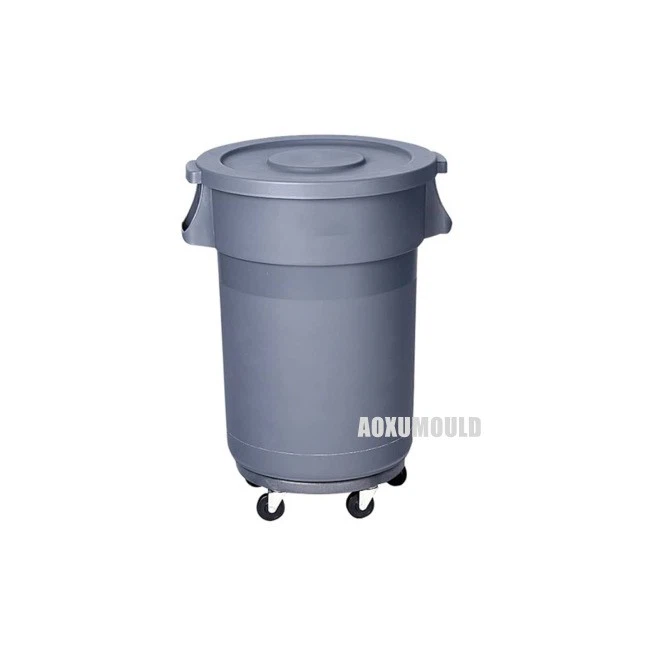
4. Smart and Connected Features in Trash Can Moulds
Sensor - Enabled Moulds
The era of the smart trash can is here, and it starts with the mould. Trash can moulds are now being designed to accommodate sensors that can monitor various parameters, such as fill level, temperature, and odor. These sensors can be integrated into the trash can during the manufacturing process, thanks to the precise design of the mould. For example, a smart trash can produced from a Smart Trash Can Mould can send real - time data to waste management systems, allowing for more efficient collection and disposal.
IoT Connectivity
Internet of Things (IoT) connectivity is another emerging trend in trash can mould development. Moulds are being designed to create trash cans that can be connected to the internet, enabling remote monitoring and control. This connectivity allows waste management companies to optimize their operations, reduce costs, and improve service quality. For example, they can track the location of trash cans, monitor their usage patterns, and schedule collection based on actual need rather than a fixed schedule.
5. Market - Driven Trends in Trash Can Moulds
Customization
Customers are increasingly demanding customized trash cans to meet their specific needs. As a result, trash can mould suppliers are offering more customization options. This includes creating moulds for trash cans of different sizes, shapes, colors, and features. For example, a restaurant may require a custom - sized trash can with a specific odor - control feature, and a mould can be designed and manufactured to meet these requirements.
Globalization of the Market
The trash can mould market is becoming more globalized. Suppliers are now competing on a global scale, and customers have access to a wider range of products and services. This has led to increased innovation and cost - competitiveness. For example, a customer in one country can source a high - quality Trash Container Mould from a supplier in another country, taking advantage of different manufacturing capabilities and cost structures.
Conclusion
The development of trash can moulds is being shaped by a variety of trends, from technological advancements and design innovation to material changes and market demands. As a trash can mould supplier, it is essential to stay ahead of these trends to provide high - quality, innovative, and sustainable products to our customers. Whether you are a waste management company, a municipality, or a private business looking for the right trash can mould, we are committed to meeting your needs. If you are interested in discussing your specific requirements or exploring the latest trends in trash can moulds, please reach out to us. We are eager to engage in procurement discussions and help you find the perfect solution for your trash can manufacturing needs.
References
- "Advanced Manufacturing Technologies for Moulds", Manufacturing Engineering Journal, 2020.
- "Ergonomic Design in Consumer Products", Journal of Product Design, 2019.
- "Sustainable Materials in Mould Production", Environmental Science and Technology, 2021.
- "The Internet of Things in Waste Management", Waste Management Review, 2022.